Drones
Precision aerial data driving smarter, more resilient farming systems
Drone technology is transforming agriculture through precision crop monitoring and advanced diagnostics. By delivering real-time insights, drones support improved productivity, resource efficiency and more sustainable farm management decisions.
Drones – revolutionising agriculture
Drones can revolutionise agriculture by enhancing crop health monitoring through cutting-edge multispectral and hyperspectral imaging technologies. Our research farms, in partnership with data specialists, are unlocking the potential of these advanced imaging techniques to detect early signs of plant stress, disease, and nutrient deficiencies. This collaborative effort not only refines data analysis algorithms but empowers farmers to make timely interventions, ultimately boosting crop yields and profitability. The application of drones in precision agriculture is being explored to validate how these tools can improve resource management. Researchers are developing methods for utilizing drone-collected data for variable rate applications of fertilizers and pesticides, ensuring that inputs are applied only where needed. This approach not only reduces costs but also minimizes environmental impact, appealing to eco-conscious consumers and enhancing a farm’s marketability.
Jamie Smith, Business Development Manager
Embrace the future of agriculture with drones—where innovation meets sustainability and profitability.
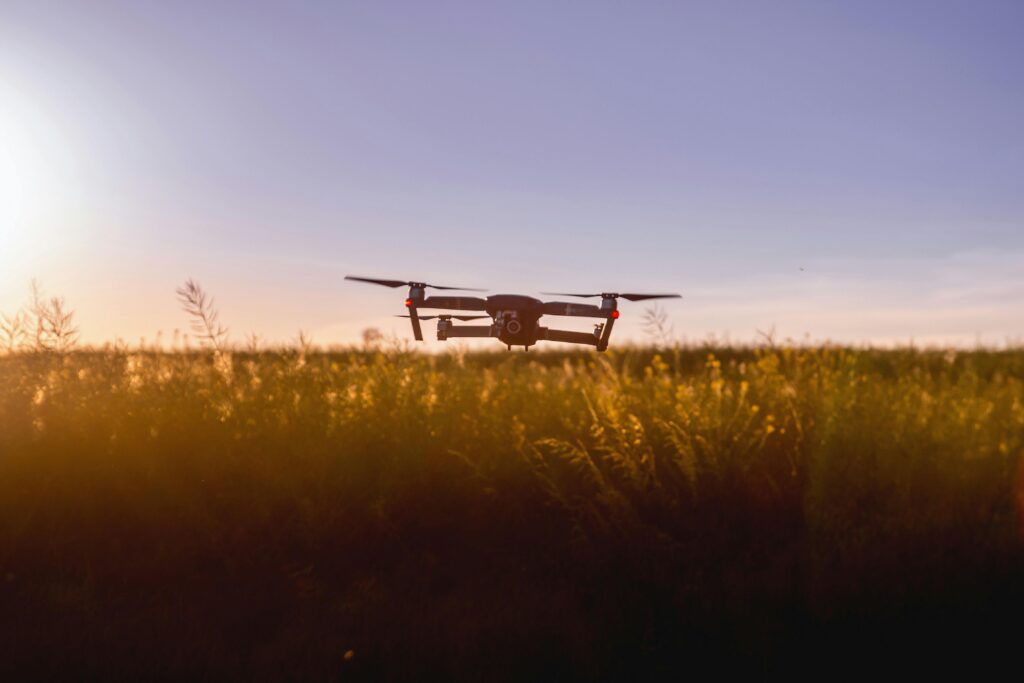
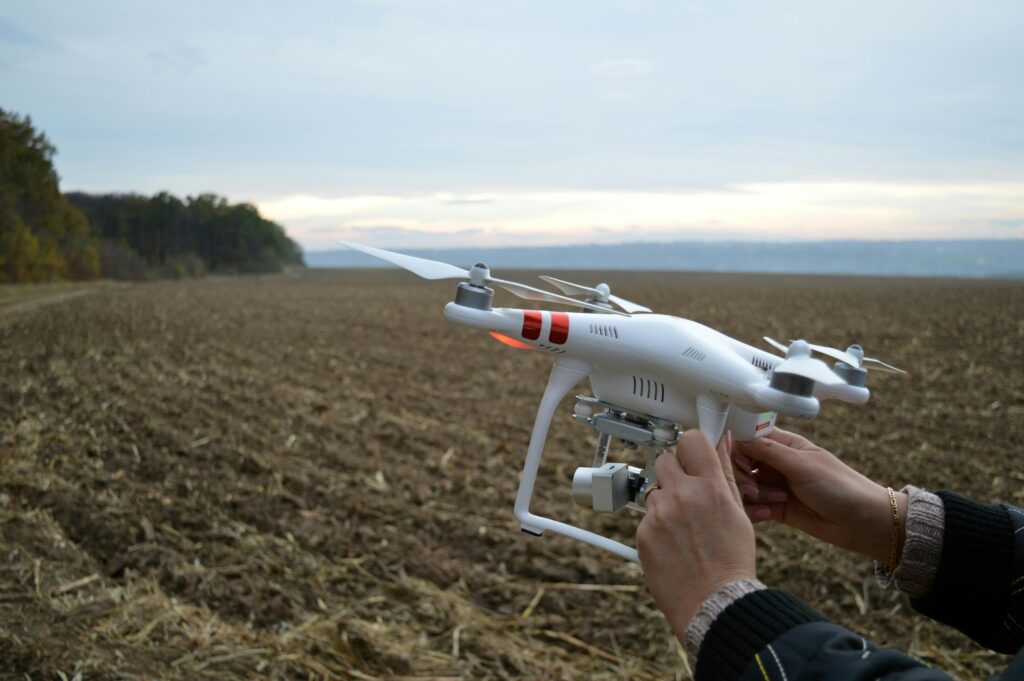
In addition, they play a pivotal role in soil health assessment, with ongoing studies examining how aerial imagery, combined with ground-truthing methods, can evaluate soil moisture, composition, and structure. This research aims to provide farmers with actionable insights to improve soil health, productivity and lead to higher-quality produce. Also, drones are being employed to gather data for predictive modelling of crop yields. By analyzing historical data alongside drone imagery, researchers are working to develop accurate yield prediction models that can inform planting decisions and market strategies, potentially transforming how farmers plan their harvests and manage supply chains.
The integration of drones with emerging technologies such as IoT (Internet of Things), 5G networks, and AI (Artificial Intelligence) is an exciting frontier in agricultural research. This synergy enhances real-time decision-making, offering farmers a comprehensive view of their operations and positioning them as leaders in a tech-driven market. Embrace the future of agriculture with drones—where innovation meets sustainability and profitability.
Drones provide aerial data that helps monitor crop health, assess field conditions and support precision farming practices. James Hutton Institute Scientific Services works with partners to explore how drone technology can improve crop monitoring and agricultural decision-making.
Drones can capture high-resolution images and sensor data that reveal crop stress, disease presence, nutrient deficiencies and variations in plant growth. James Hutton Institute Scientific Services uses these insights to support research and agricultural innovation.
Drone technology allows farmers and researchers to monitor crops quickly and accurately across large areas. By providing detailed field data, James Hutton Institute Scientific Services helps support more efficient and sustainable farming practices.
