New study identifies fossil fuel byproducts and plastic additives as top priority for environmental control in Yangtze River
A new study from The James Hutton Institute and collaborators in China has identified classical contaminants such as fossil fuel byproducts and plastic additives as the priority of environmental control in the Yangtze River.
Stretching from Qinghai to Shanghai, the Yangtze River is the largest river in Asia and the third largest in the world. Roughly a third of China’s population lives within the Yangtze River Basin, meaning that the health of its ecosystem has an impact on hundreds of millions of people.
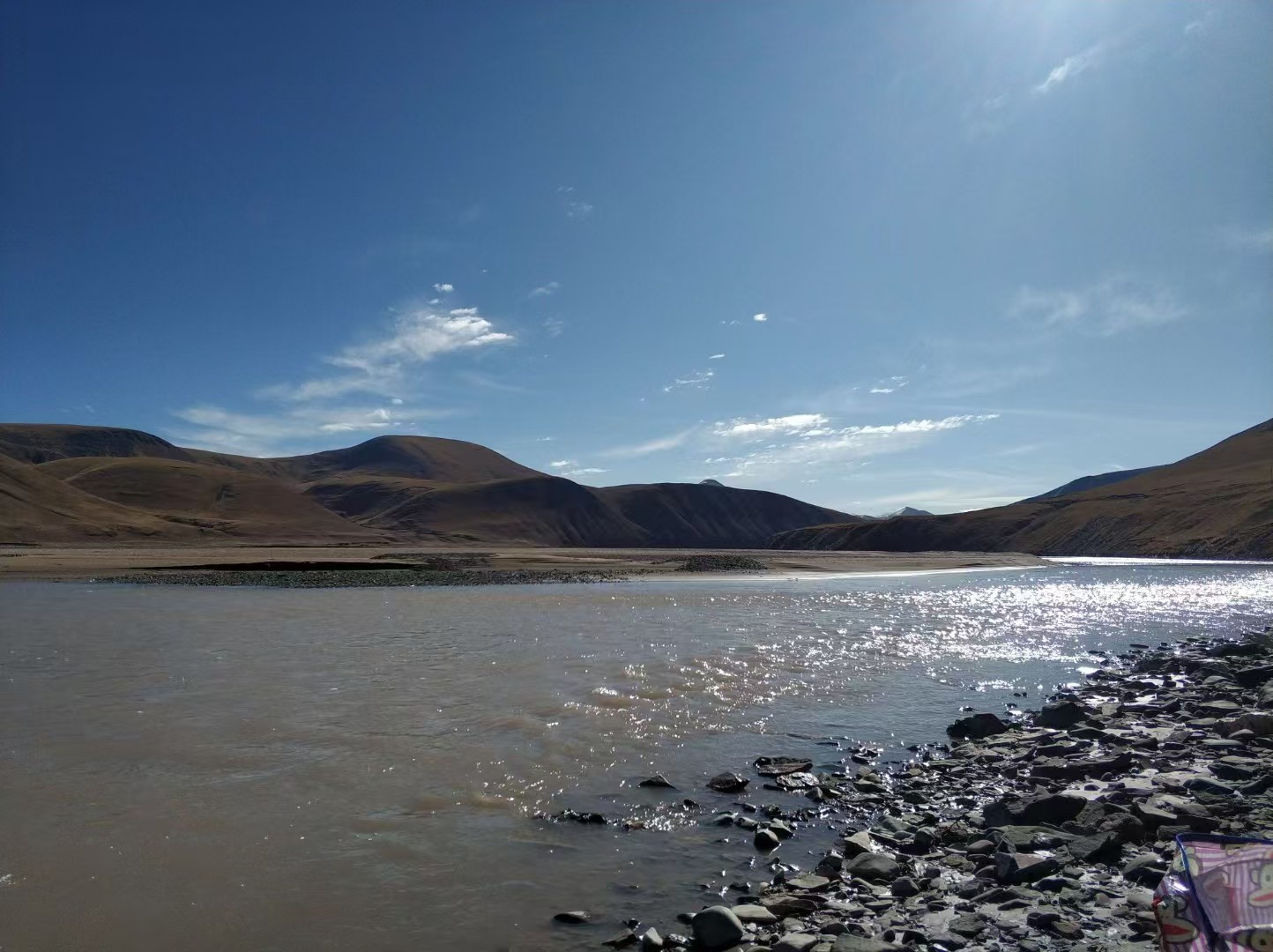
The study brought Hutton experts together with researchers from the Wuhan University of Technology, the Xianghu Laboratory and Northeast Agricultural University to analyse and summarize the comprehensive dataset of a wide range of sedimentary micropollutants (112 compounds) covering the whole mainstream (38 sites) of the Yangtze River.
They found that classical contaminants, such as those originating from the burning of fossil fuels and production of plastics including Polycyclic aromatic hydrocarbons (PAHs) and Phthalate Esters (PAEs), were of higher concern than emerging contaminants such as PFAS and antibiotics. These classical contaminants persist for long periods of time in the sediments on the riverbed and have been linked to health risks such as cancer and hormonal imbalances in both humans and animals. They were highlighted as a priority for environmental control as they were detected at high concentrations and frequencies and present a high-risk potential to animal and human health.
The researchers highlighted seven priority contaminants, which are:
Polycyclic aromatic hydrocarbons (PAHs):
- Naphthalene – The top priority chemical used in the study, primarily used to manufacture dyes, leather and wood protection agents. It can also be used in the production of pesticides and can come from the incomplete burning of biomass, such as tar and crop residues.
- Pyrene – A derivative of the combustion process, often produced by waste incineration, vehicle exhausts, coal burning and oil spills.
- Phenanthrene – Also produced by combustion, such as the burning of wood. Often found in the environment alongside other chemicals resulting from industrial chemicals.
- Benzo[b]fluoranthene – Again, produced through the burning of organic matter.
Phthalate Esters (PAEs):
- Bis(2-ethylhexyl) phthalate – The most widely used plasticizer in in polymer products and the predominant plasticizer in China. Commonly enters the environment through the production and use of various industrial and consumer products.
- Di-n-butyl phthalate – A plasticizer used in PVC products. Released into water through the wear and tear or evaporation of plastic materials.
In addition to identifying priority contaminants, the study provided a detailed look at the distribution of pollution along the river’s 6,300km length.
Researchers found that downstream areas were more heavily polluted than upstream areas and hotspots were identified in areas with high levels of industrial and agricultural activity. Of these Shanghai was ranked as the priority for overall environmental health, while Jiangxi was found to have the highest total concentration of pollutants, and Jiangsu the highest variety.
Professor Zulin Zhang, a leading scientist of this study at the Hutton, said: “This work successfully optimised and applied EHP (Environmental Health Prioritization Index) method for priority contaminants screening, interestingly found that the two classical contaminants were the most dominant of the priority list in the Yangtze River, rather than emerging contaminants which have received much more attention in the recent decades.
“This suggested that the legacy or traditional compounds might still cause concerns and should not be ignored despite new contaminants emerging. More data and work are needed to understand if this is the general case for other different regions, which would be ultimately beneficial to the effective management and control of chemical contaminants in the areas and further to the global.”
