Hutton awarded £8,000 from Royal Society of Edinburgh for research into southeast Asian peatland restoration
A researcher from The James Hutton Institute has been awarded £8,000 by the Royal Society of Edinburgh (RSE) to explore peatland forest restoration approaches in southeast Asia.
Dr Stuart Smith, an applied plant ecologist, will use the funding to examine how different methods of peat swamp forest reforestation impact tree diversity.
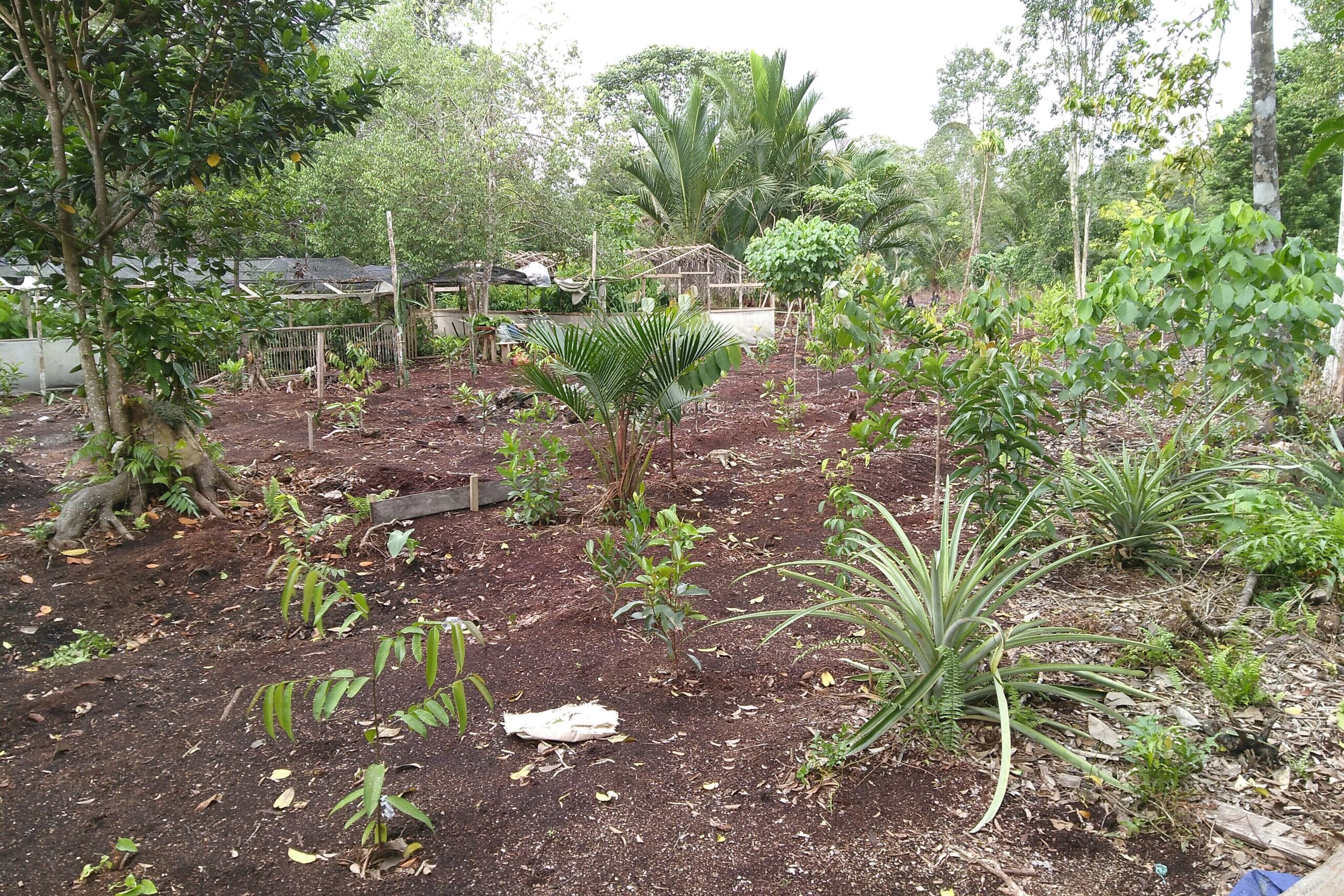
Tropical peat swamp forests are unique ecosystems which occur on organically rich peaty soil and are globally valued for their high biodiversity and carbon storage capacity. Southeast Asia is home to one of the largest expanses of tropical peat swamp forests; however, an estimated 80% of these ecosystems are degraded. While decades of effort have been put into restoration, little is known about the tree diversity deployed across different methods of reforestation and land-use, including planting trees, natural tree regeneration, paludiculture and agroforestry.
Tree planting is a common reforestation method in degraded peatlands, but this method involves fewer species. Natural tree regeneration is when seedlings colonise degraded peatlands from nearby intact forests – a slow process, but one which offers high diversity potential.
Paludiculture, meanwhile, is the practice of using peatlands to grow socio-economically valuable trees but, with this method, the peat must be protected through rewetting. Planting such trees on drained peat is agroforestry. Both paludiculture and agroforestry can include native and non-native species and tend to be lower in diversity.
To provide a clearer understanding of how current reforestation methods and land-uses are influencing tree diversity, Dr Smith and his team will compile an inventory of peat swamp forest tree species recorded in different reforestation methods across the region. This database will be developed through a systematic literature review, with experts verifying species against online databases.
Additionally, the team will calculate a number of different tree diversity metrics, including species richness, phylogenetic diversity and, where possible, functional diversity. They also plan to explore how species overlap between different reforestation methods.
Their findings will be shared in an open-access dataset and infographic guidance for practitioners seeking to maximise tree diversity in peat swamp reforestation.
Dr Smith said, “Intact tropical peat swamp forests in southeast Asia are diverse ecosystems and our previous work has shown only 10% of potential species have been included in tree planting in the region, so we are trying to find ways to highlight the potential to increase tree diversity in reforestation.”
Professor Anne Anderson OBE FRSE, Vice President for Research at the RSE, said, “We are delighted to present Dr Smith with an award through the RSE Scotland-Asia Partnerships Higher education Research (SAPHIRE) Fund. The SAPHIRE Fund aims to support new, or enhance existing, international research partnerships between universities and research institutes in Scotland and collaborators in Asia.
“RSE research awards play a vital role in enabling and strengthening Scotland’s vibrant research community and its standing on the world stage. On behalf of the Society, I warmly congratulate Dr Smith, his team, and the international partners, and I look forward to seeing the impact of their work.”