Healthy Plants, Healthy Planet: Celebrating International Day of Plant Health
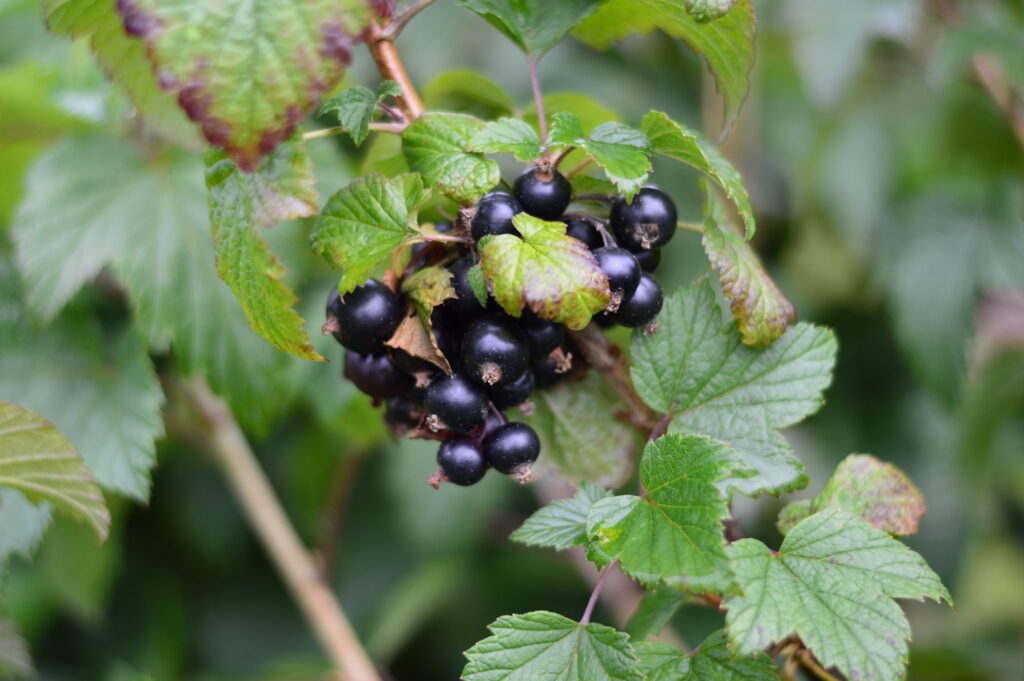
Plants are fundamental to sustaining life on earth and play a critical role in supporting food webs, regulating the climate, producing oxygen, conserving soils and maintaining ecosystem stability.
12th May is the designated by the United Nations, International Day of Plant Health, a day to highlight how protecting plants from pests and diseases supports sustainable agriculture and long-term food security. The theme for 2026, Plant Biosecurity for Food Security, reflects beautifully the work taking place across the Hutton- from supplying clean planting material to developing innovative tools that help safeguard crops worldwide.
Hutton’s contribution to plant health
A central part of this effort is our High Health Facility, funded by the Scottish Government and unique within the UK. The facility produces certified soft fruit propagation material that is rigorously tested and maintained to be free from pests and diseases.
Starting production with clean plant material is one of the most effective biosecurity measures available, reducing the risk of outbreaks before crops even reach the field. The facility plays a vital role in supporting the UK’s soft fruit industry.
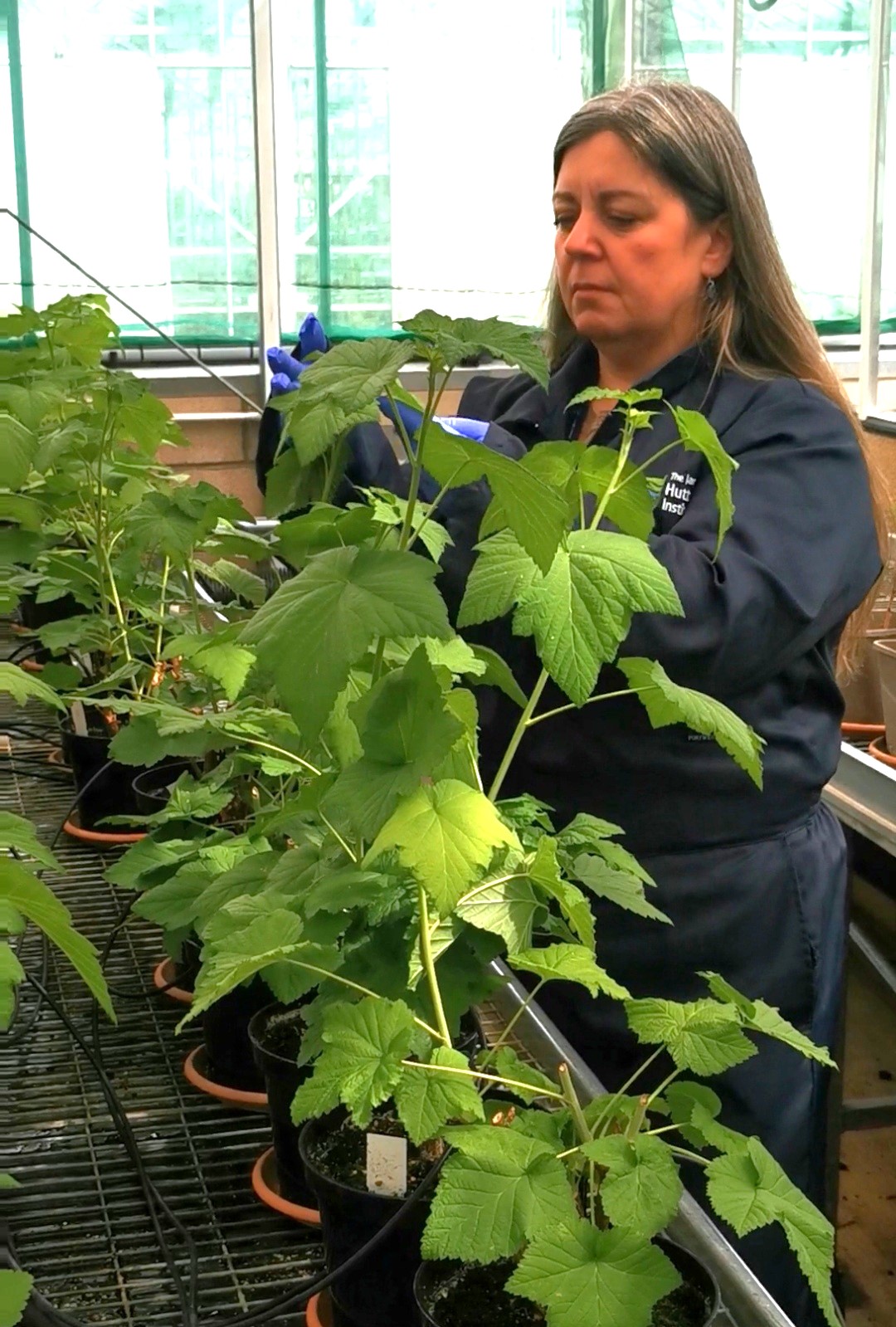
Our impact also extends internationally. The distribution of high-health raspberry and other soft fruit stocks across global production systems helps maintain the UK’s reputation for quality, while supporting international biosecurity by limiting the movement of harmful pests and pathogens between countries.
Our research in this area is focused on developing new approaches to detect, monitor and manage soft fruit diseases more rapidly. This includes developing emerging technologies such as CRISPR Cas-based diagnostics. CRISPR is a natural defence system used by bacteria to recognise and destroy invading viruses. This system has been adapted and developed into a powerful tool that can detect specific DNA from plant pathogens and is being explored at the Hutton to deliver faster, highly sensitive, field deployable diagnostics for the raspberry root rot pathogen, Phytophthora rubi.
The Hutton also contributes to the work of the Plant Health Centre, a Scottish Government initiative that brings together research, policy and industry partners to strengthen biosecurity across Scotland. Our expertise supports national preparedness and coordinated responses to emerging plant health threats.
Through the combination of scientific services and research areas for plant health, our work helps prevent the introduction and spread of plant pests and diseases, while underpinning resilient and sustainable crop production.

What else are we doing?
Across The James Hutton Institute, integrated research programmes work together to strengthen plant health resilience across economically important UK crops.
Breeding programmes in potatoes, cereals and soft fruit support UK food security by delivering varieties with improved disease resistance, environmental resilience and reliable performance under changing climatic conditions.
Alongside this work, researchers are developing innovative biopesticides as sustainable alternatives to conventional chemical controls and exploring new strategies to enhance plant immunity and identify more durable sources of genetic disease resistance.
Advanced imaging technologies further support crop protection by enabling earlier detection of plant stress and infection, allowing emerging issues to be identified and managed before significant crop losses occur. For more information, visit Cell and Molecular Sciences – James Hutton Institute, Home – Advanced Plant Growth Centre and Breeding – James Hutton Institute
All of this helps speed up our research into climate resilience, sustainable farming, biodiversity recovery and environmental justice.
Blog by Dr Louise Gamble, Plant Health Officer at The James Hutton Institute
Disclaimer: The views expressed in this blog post are the views of the author, and not an official position of the Hutton or funder.
