New digital tool set to modernise agricultural research and secure future food supplies
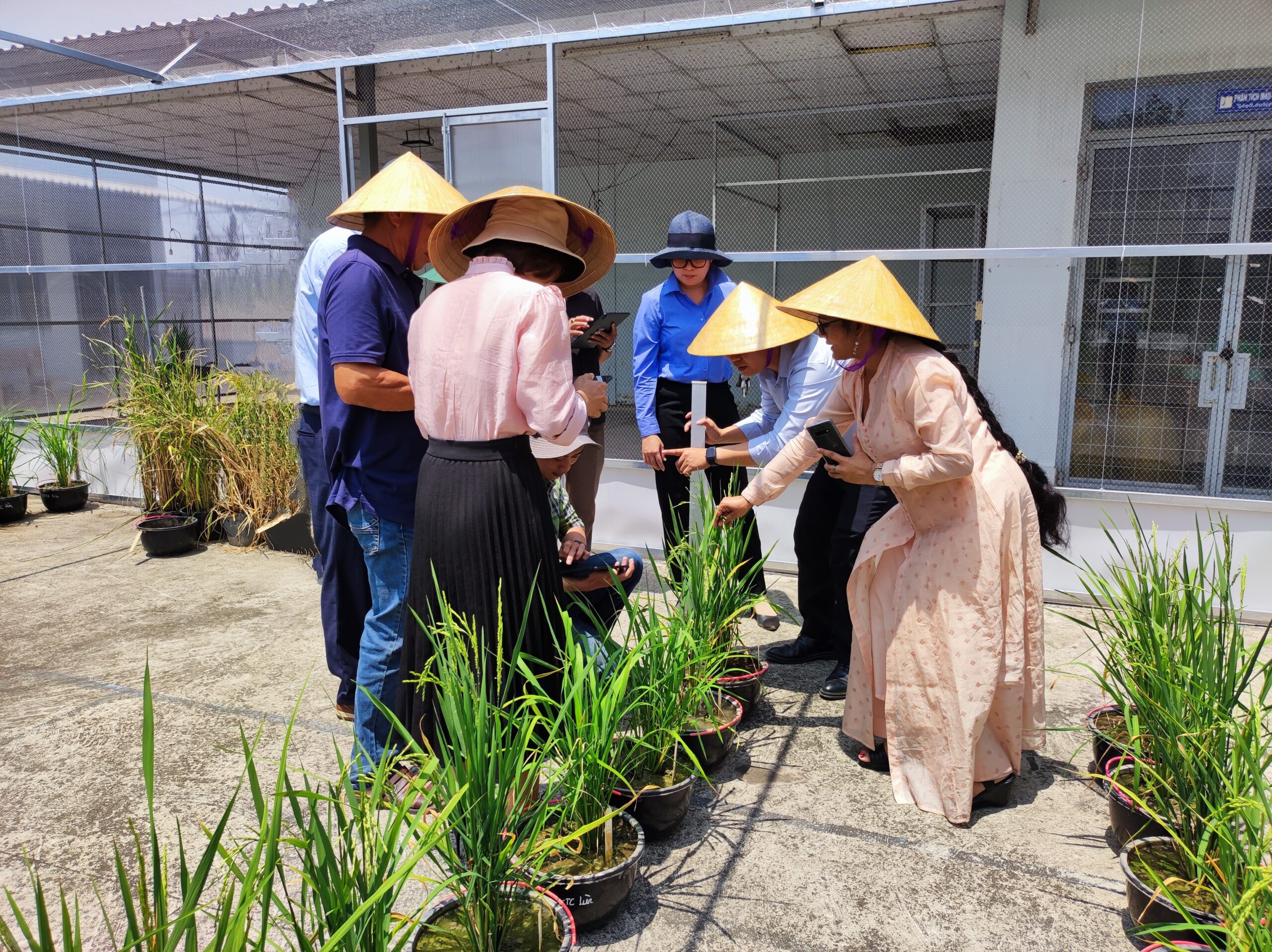
An international team of researchers, led by The James Hutton Institute, has unveiled a powerful new digital solution to one of the oldest challenges in crop research: the ‘pen and paper’ error
The Hutton is a world leading research institute addressing the issue of global food security by finding scientific solutions for the sustainable management of land and natural resources and the demands for improved agricultural productivity and crop resilience.
In a new study published in BMC Bioinformatics, the team introduces GridScore NEXT, a cutting-edge data collection platform designed to replace manual clipboards with high-precision digital tracking.
“Accurate data is the foundation of all scientific discovery, but in the challenging environment of a field trial, it’s also the hardest thing to get right.”
Sebastian Raubach, senior research software engineer, The James Hutton Institute
As the global population grows and climate change intensifies, plant breeders are under increasing pressure to develop climate-ready crops capable of withstanding extreme weather, pests, and disease. Central to this effort is phenotyping, the technical and time-consuming process of measuring how different plant varieties perform in real-world conditions. Traditionally, this process has relied on researchers walking through fields with pen and paper, a method prone to errors, lost notes, and illegible handwriting that can compromise years of research.
GridScore NEXT addresses these challenges by enabling researchers to capture complex field data instantly and accurately using mobile devices even in remote locations without internet access. With integrated features such as barcode scanning, NFC tagging and real-time data validation and visualisation, the platform ensures that critical research data is standardised, reliable, and ready for immediate analysis.
Sebastian Raubach, senior research software engineer at the Hutton, and lead author of the study said, “Accurate data is the foundation of all scientific discovery, but in the challenging environment of a field trial, it’s also the hardest thing to get right.
“By moving beyond the clipboard, we aren’t just making life easier for researchers, we are safeguarding the integrity of the genetic information that underpins global food security. GridScore NEXT acts as a bridge between the physical field and the digital laboratory.”
By minimising human error, GridScore NEXT enables scientists to identify plant varieties with improved yields, disease resistance, and resilience more rapidly. This efficiency is vital for accelerating the breeding cycles of essential crops such as barley, potatoes, and soft fruits.
GridScore NEXT levels the playing field, allowing scientists in resource-limited regions to collect high-quality, standardised data that is perfectly compatible with large-scale international databases used by researchers.
Originally developed during the COVID-19 lockdown as a small internal project, GridScore NEXT has since gained international support. Funding has been provided by the Scottish Government Rural and Environmental Science and Analytical Services division and the Crop Trust’s Biodiversity for Opportunities, Livelihoods and Development (BOLD) project. BOLD partners are collecting, managing and sharing crop trait data to support field trials and monitor results.
Today, the platform serves a growing global community of crop researchers, from large-scale breeding programmes to smaller biodiversity conservation efforts in developing nations.
Dr Benjamin Kilian, Senior Scientist at the Crop Trust and Co-ordinator of the BOLD project said, “The data generated through pre-breeding is both vast and highly valuable. To support crop adaptation to climate change, this data must be open and accessible in ways that enable meaningful exploration and use.”
GridScore NEXT is freely available and accessible worldwide. More information is available here.
