Hutton invertebrate survey at Findhorn Hinterland identifies 140 species, including dung beetle only found in the UK
An invertebrate survey carried out by The James Hutton Institute has identified 140 species at the Findhorn Hinterland, including a variety of dung beetle only found in the UK.
The survey was commissioned by the Findhorn Hinterland Trust, who have managed the hinterland for the last decade.
The site, which sits to the east of Findhorn village, measures 50 hectares – around 70 football pitches – and consists mostly of sand dunes and woodlands. It features a variety of habitats, including bare sand and shingle, which is a habitat of conservation importance on the Scottish Biodiversity List.
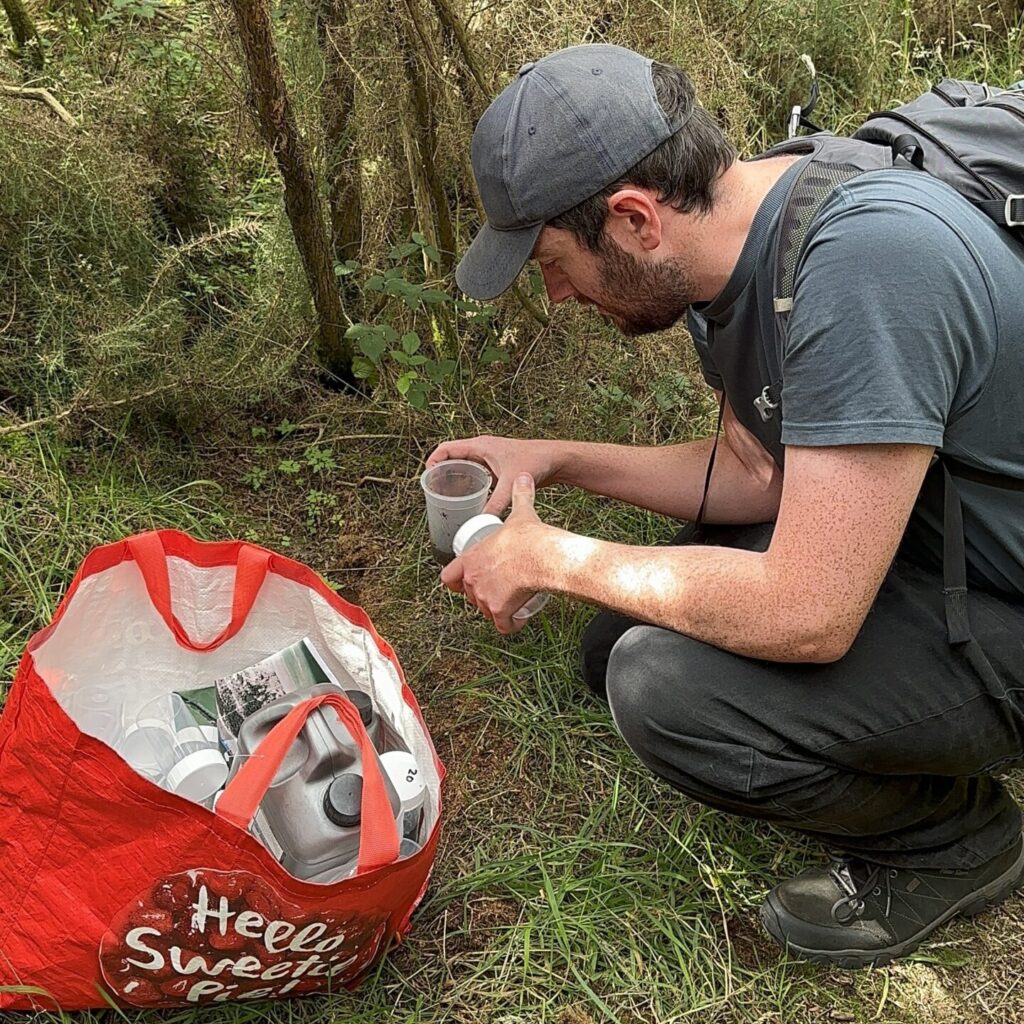
To understand which invertebrate species are living in these habitats, Hutton researchers sampled almost 4,000 invertebrates between July and October 2025 using pitfall traps. A further 22 invertebrates were sampled by hand between March and September 2025.
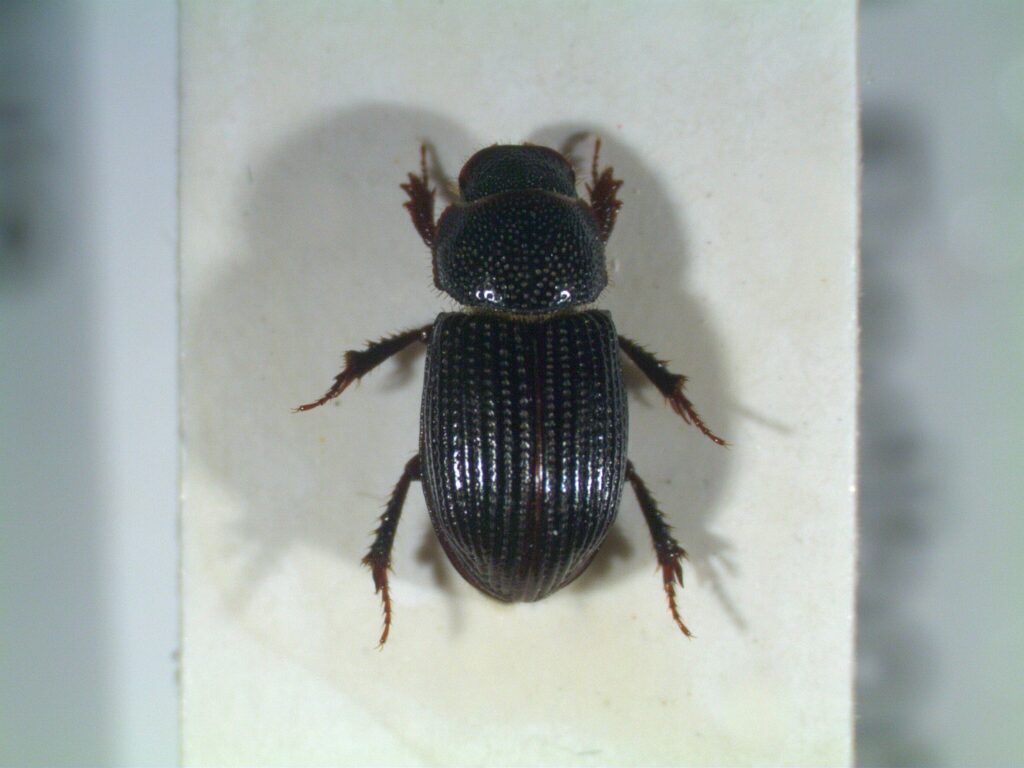
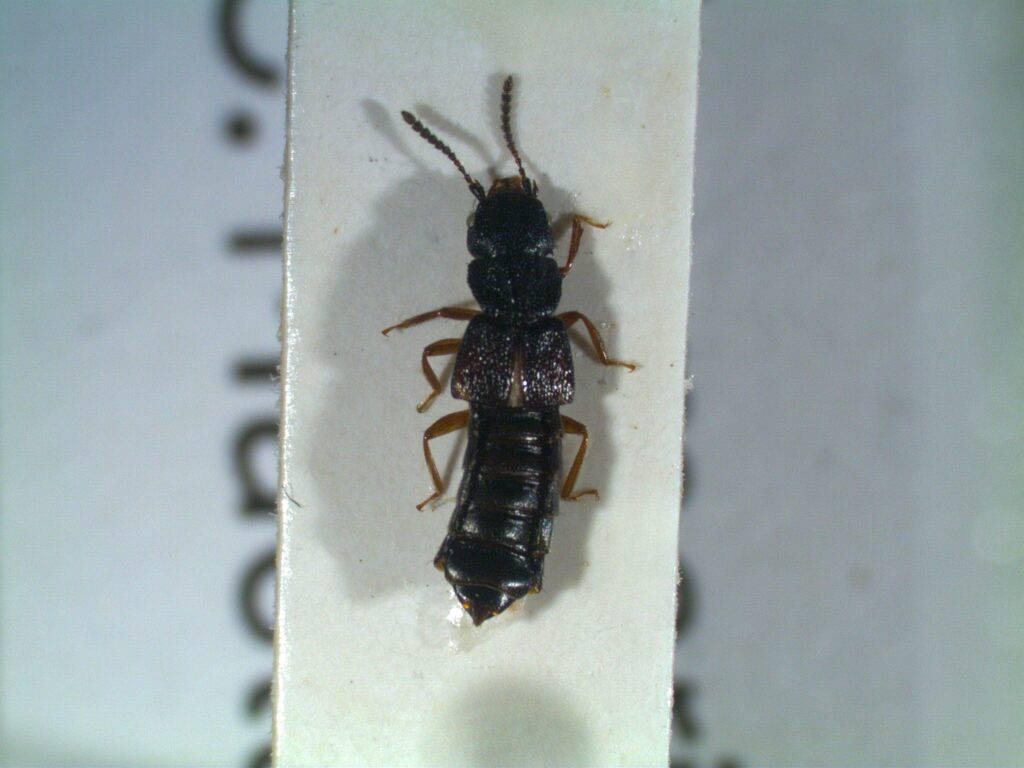
The researchers identified 140 species during the survey, including the coastal rove beetle Anotylus maritimus, which is a habitat specialist associated with fine sand and shingle, and Psammoporus insularis, a species of dung beetle only found in the UK.
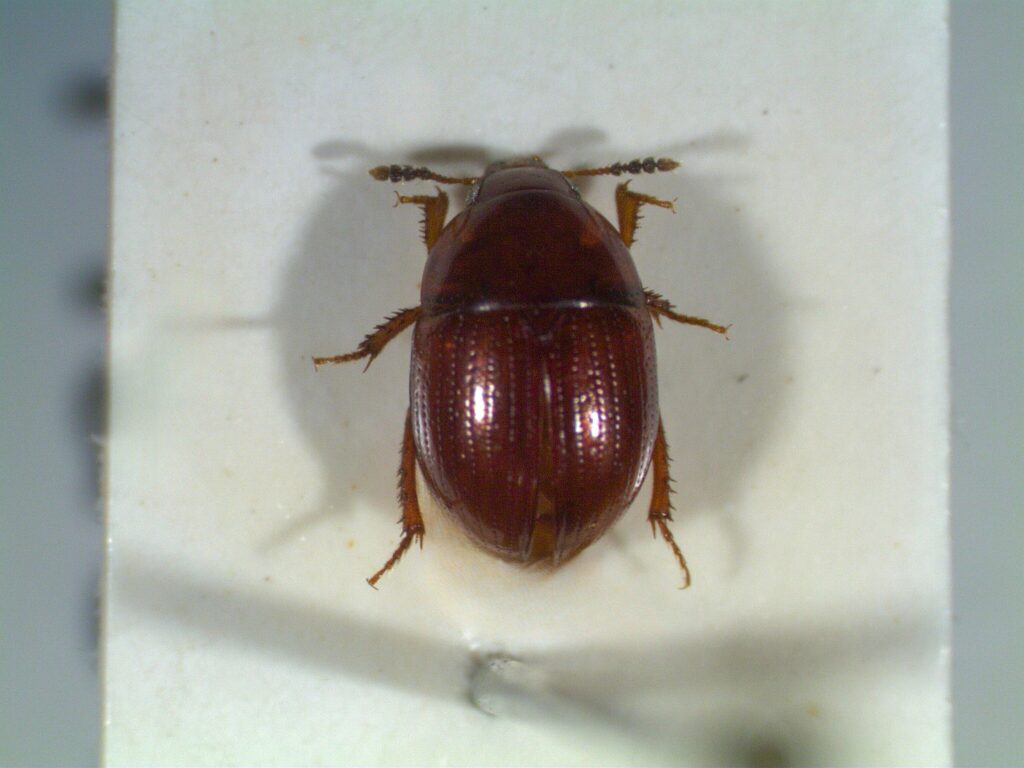
They also discovered a number of nationally scarce species, including:
Morychus aeneus – A pill beetle living in sandy habitats and feeding on the nutrient-poor mosses that other species cannot eat.
Trypocopris vernalis – A spring‑active dung beetle with a shiny metallic reflection, contributing to soil health by recycling animal droppings.
Leiodes furva – A small brown beetle typically found in sand dunes, feeding on underground fungi and so helping nutrient recycling.
Eupuraea terminalis – A sap‑feeding beetle of woodlands, often encountered where trees are damaged or leaking sap.
Drassyllus pusillus – A ground‑dwelling spider of open, dry areas, hunting small invertebrates among stones and grasses.
Acalypta carinata – A tiny lacebug that lives among moss on rotting logs, feeding on plant juices within its damp microhabitat.
Calum Maclure, an invertebrate ecologist at the Hutton, said, “It’s great to see so many rare and interesting species, especially the dry, sandy soil specialists you’d hope to find in a coastal dune habitat. It suggests the habitat restoration is paying off with the removal of gorse to create more areas of open sand.”
Understanding which beetles are living in this environment will help gauge the effectiveness of restoring important open sand and shingle habitat. This leads to more information about how best to conserve rare and specialist species which depend on these habitats.