International review reveals importance of hidden Arctic root processes for climate change
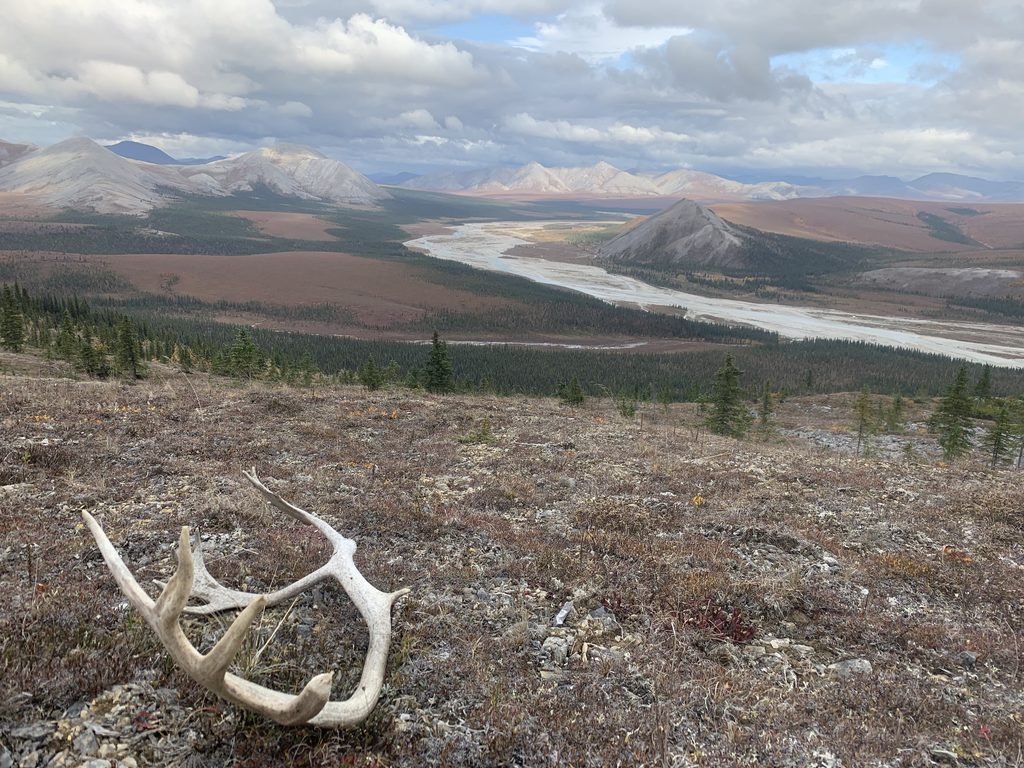
A new review led by researchers at Amherst College, The James Hutton Institute and Umeå University has revealed the critical role that plant roots play in shaping how Arctic tundra ecosystems respond to climate change.
The paper was led by Dr Rebecca Hewitt (Amherst College, USA) and co-led by Dr Gesche Blume-Werry (Umea University, Sweden) and Dr Thomas Parker (The James Hutton Institute, UK), with contributions from eight other research organisations.
It highlights how processes occurring beneath the soil surface could help scientists better understand how one of the fastest-changing ecosystems on Earth will influence the future climate.
Arctic permafrost contains around 1,460 to 1,600 billion tonnes of organic carbon – roughly twice the amount currently found in the atmosphere. However, as climate change thaws this permafrost, some of this carbon is being released into the atmosphere.
Thawing permafrost is also straining tundra ecosystems – the treeless area surrounding the North Pole – by allowing trees and shrubs into areas where they were previously unable to grow.
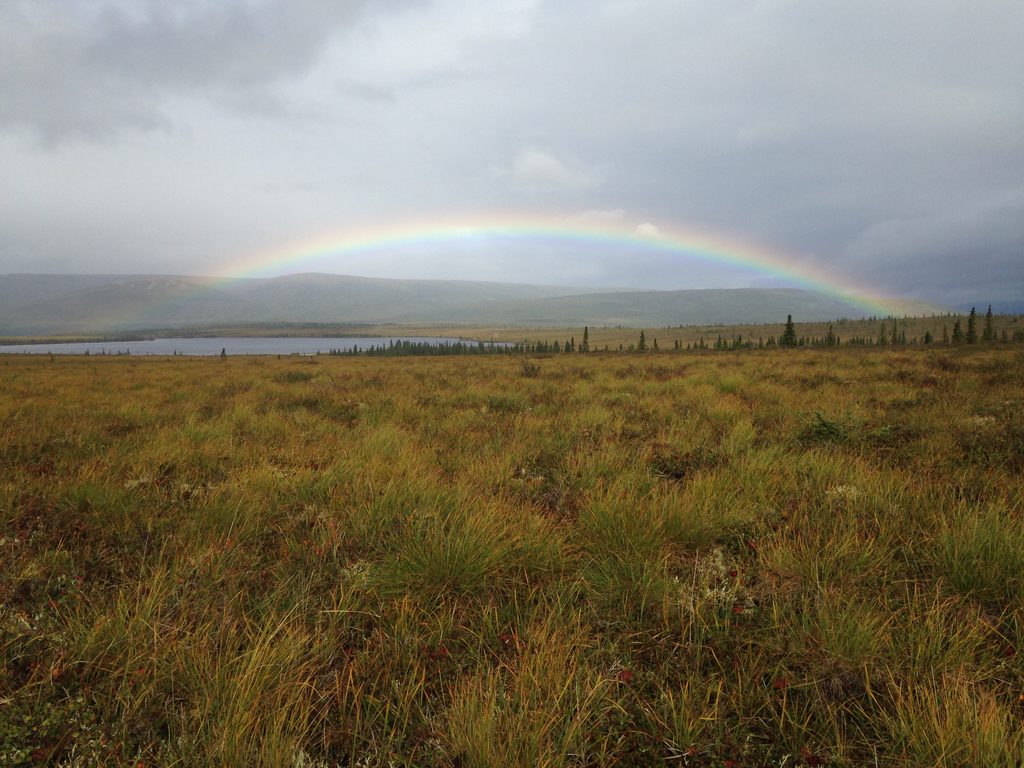
While much attention has been paid to how these above-ground changes, such as shrub growth and “Arctic greening”, could help to absorb carbon, the study’s authors argue that roots and the surrounding soil environment may be just as important in determining whether ecosystems become carbon sources or carbon sinks.
The researchers found evidence that rising temperatures and permafrost thawing can alter root productivity and depth, as well as seasonal growth patterns and plant-soil interactions.
While roots can help lock carbon into soils by supporting plant growth and contributing organic matter, they can also stimulate microbes that break down soil carbon and release greenhouse gases such as carbon dioxide and methane.
The review suggests that, because these processes can go both ways, improving climate predictions will require a better understanding of how plant roots, soil microbes and thawing permafrost interact.
The group behind the study, which was scientists assembled through the International Arctic Science Committee ahead of the 5th International Polar Year (2032-2033), is urging a new focus on soil processes to understand and mitigate against potential runaway climate change.
Lead author Dr Rebecca Hewitt said: “As the Arctic warms, we can see dramatic changes across the landscape, from expanding shrubs and trees to ground subsidence caused by thawing permafrost. Our team is particularly fascinated by what happens out of sight, and with this paper, we wanted to highlight how roots and their associated microbes influence whether carbon stored in Arctic soils remains there or is released to the atmosphere.”

Dr Thomas Parker said: “What happens in the Arctic doesn’t stay in the Arctic- by understanding how plants and microbes interact with these carbon-rich soils we can not only understand the severity of climate feedbacks but also learn lessons for the UK’s own soil resources.”
Dr Gesche Blume-Werry added: “Our paper highlights the central role of root and rhizosphere processes in feedbacks from the Arctic to the global climate, and we hope that it will inspire more research on this important, but understudied topic.”
The paper was first published in Nature Reviews Earth and Environment and can be read in full here.