Bioinformatics
Computational solutions for large-scale genomics, phenomics and biological data analysis
Advances in genomics and other –omics technologies have placed big data at the centre of plant and environmental science. Our bioinformatics expertise integrates computational analysis, data systems and visualisation tools to interpret complex biological datasets and unlock actionable scientific insight.
Driving innovation – unlocking big data with cutting-edge bioinformatics solutions
Part of the Information and Computational Sciences Department at The James Hutton Institute, the Applied Bioinformatics Group, comprises staff with experience in genomics, modelling, biological visualization, information systems, software development, systems biology and synthetic biology, who have a track record in the design and implementation of novel solutions to meet diverse client needs.
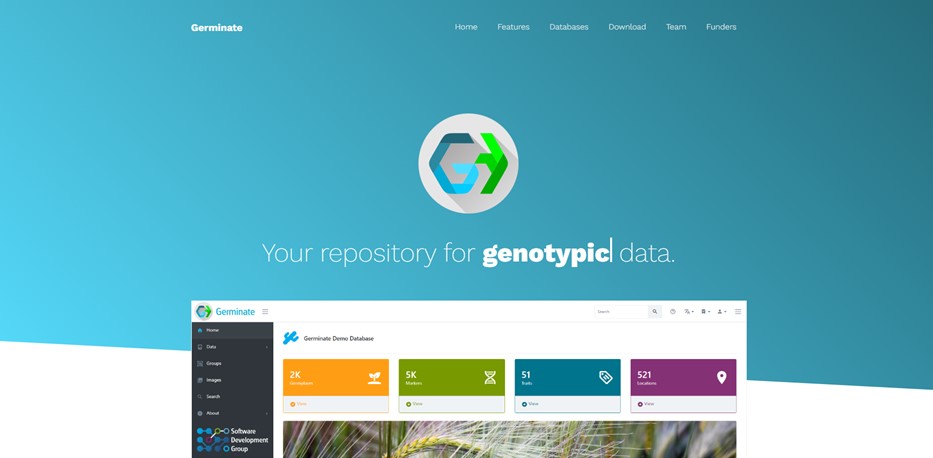
Software developed by the Applied Bioinformatics Group at the James Hutton Institute, is used worldwide. This includes applications such as Germinate, Helium, GridScore, Tablet and Flapjack and covers everything from data collection through to data storage data visualization.
We also offer consultancy in the use and setting up of our software for specific needs.
Expertise within the group includes (but is not limited to) pathogen diagnostics, marker development, genome assembly and annotation, high-throughput genotyping, database and information systems development, software development, exome capture, RNA-sequencing, small RNAs, regulatory networks, protein engineering, alternative splicing, metabolic reconstruction, mobile applications development, algorithm development, bioinformatics consultancy and bioinformatics training.
The Applied Bioinformatics Group applies this expertise and experience to a range of projects, collaborating with partners across a wide breadth of sectors and disciplines.
Paul Shaw, Bioinformatician ICS
Current projects relate to:
- Crops
- Viral, bacterial and fungal plant pathogens
- Pests
This is a unique offering of expertise, specific to agricultural science, but applicable to much more.
Bioinformatics uses computational tools and data analysis techniques to study biological data, particularly genetic and genomic information. Collaborations involving James Hutton Institute Scientific Services use bioinformatics to analyse large biological datasets and support modern life science research.
Bioinformatics allows scientists to process and interpret vast amounts of genetic data generated by modern sequencing technologies. These analyses help researchers understand genetic variation, gene function and biological processes.
Bioinformatics is commonly used to analyse DNA sequences, genomic data, transcriptomics data and other large biological datasets. This work helps support research in plant science, microbiology and environmental biology.