Barley Away Days 2026
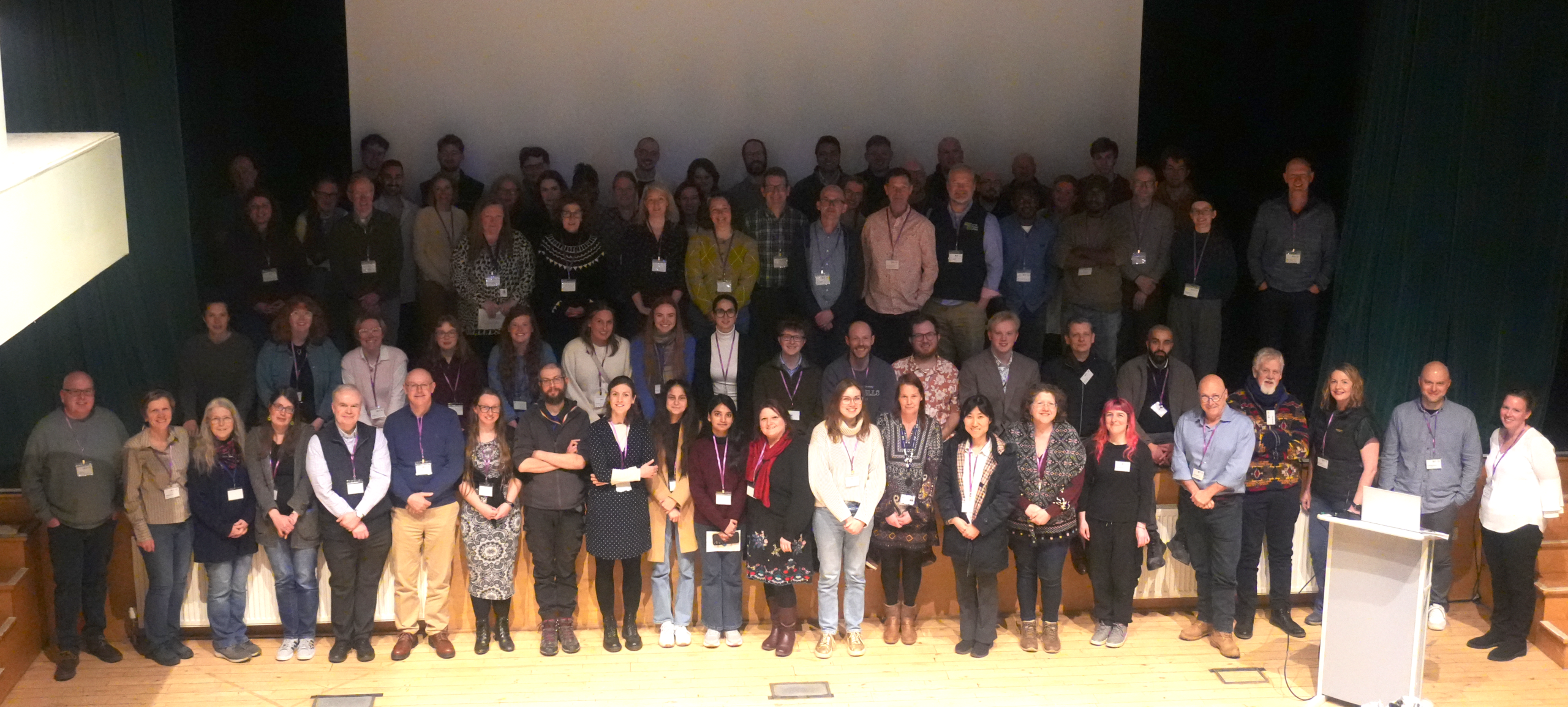
For the 15th year running, barley enthusiasts gathered at the Birnam Arts Centre in Dunkeld for the Barley Away Days, two days dedicated to the science, partnerships and big questions shaping barley research at the Hutton and the International Barley Hub (IBH).
As ever, the programme was packed. Students, colleagues and invited guests took to the floor, including three speakers from the Leibniz Institute of Plant Genetics and Crop Plant Research (IPK), Gatersleben – fresh from a visit to our Invergowrie campus – and Sidsel Birkelund Schmidt from the University of Copenhagen.
And there was a surprise guest, but more on that shortly.
Robbie Waugh opened proceedings with undimmed enthusiasm for barley and clear pride in the BARIToNE students presenting their work. This is a milestone year for this BBSRC funded postdoctoral programme. The first cohort of students is now in their final year, the last cohort has just joined, and next year we will welcome students in Hutton’s new BBSRC funded postdoctoral programme, CIC-START. Robbie’s message to all attendees was to talk to each other, connect and enjoy the event. There’s no doubt everyone did exactly that throughout the two days.
Across 22 presentations, the breadth of research on show was striking.
- roots – half the plant but chronically under-studied
- novel fertilizer (algae)
- the circular economy
- barley’s evolutionary journey from wild to elite
- Uganda’s barley chain – just 4% of global production, but vital to the country
- cover crops, soil health and organic farming
- plant-microbe interactions and the rhizosphere
- data management
- climate resilience
- landraces rich in untapped diversity
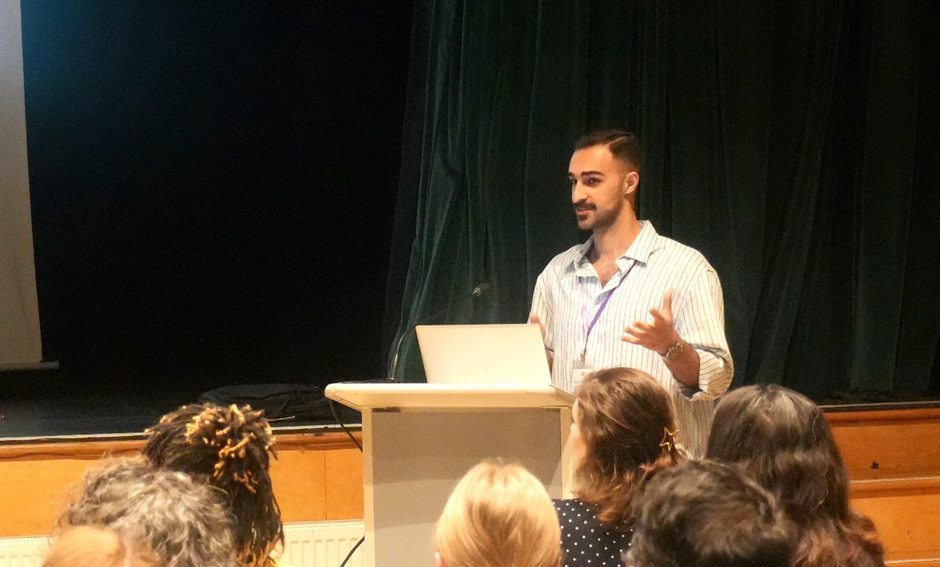
Talks built on one another, reflecting genuine collaboration across programmes. Every speaker pitched for the full room, bringing everyone along, and the steady stream of questions proved the interest and enthusiasm of everyone there.
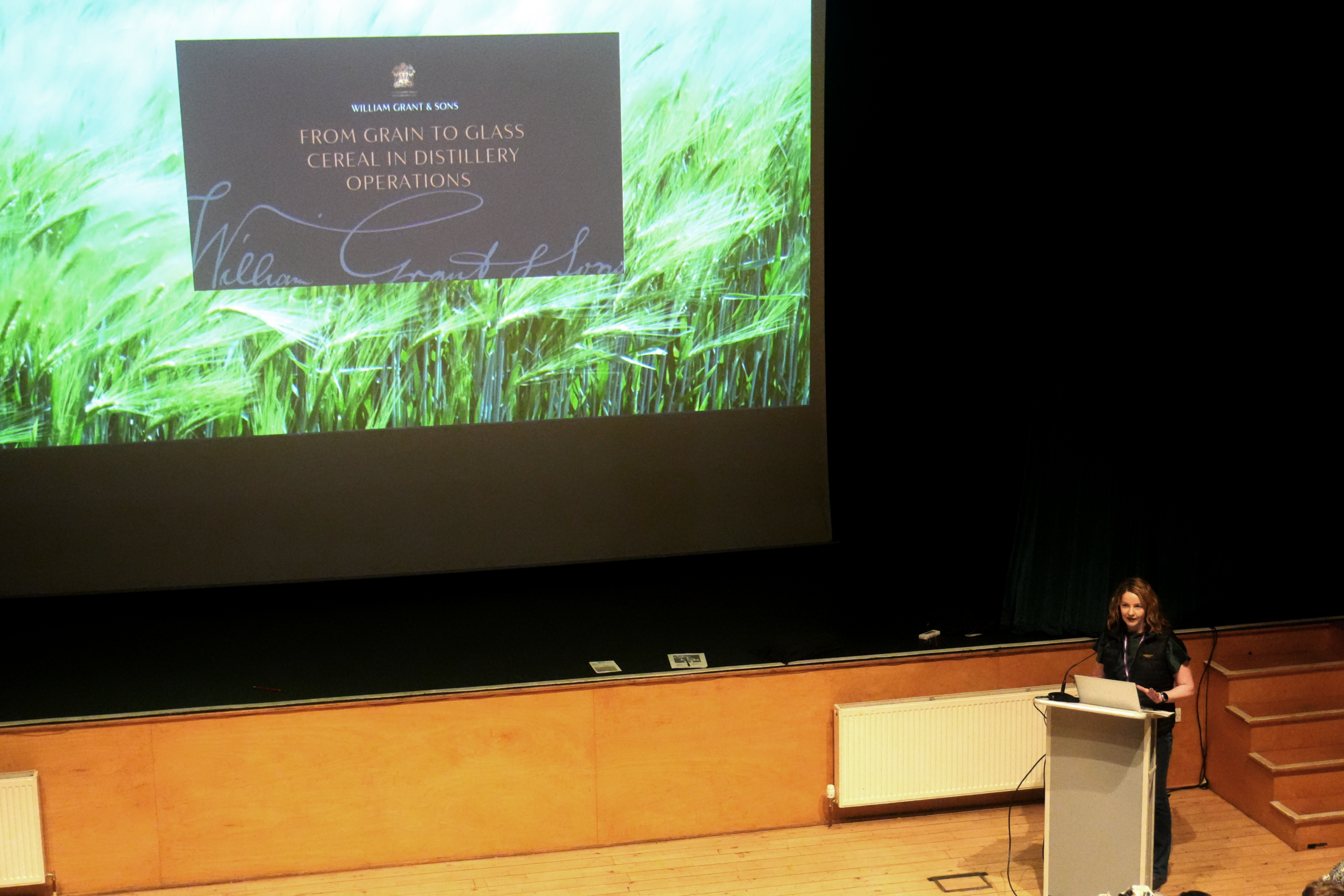
Two of the sessions particularly crystallised the “so what?” of our research; Jane Miller of William Grant & Sons, giving an overview of the scale of their operation, and George Epaku, explaining the vital importance of the barley chain in Uganda.
Jane explained that in 2025 alone, William Grant & Sons
- produced 180 million litres of alcohol
- purchased 440,000 tonnes of cereal, that’s 34 lorries of wheat and four of malt arriving daily
George highlighted that Uganda’s barley industry remains import-dependent due to systemic gaps in seed quality, mechanisation, and infrastructure. He argued that targeted government investment and improved agronomic practices could achieve national self-sufficiency, boosting local farmers’ income and the brewing sector’s efficiency.
The link between barley science and industry impact could not have been clearer.
Towards the end of the afternoon, the pace picked up with 6 flash talks of a minute each. Well done to all those who managed to pack so much information into their allotted time.
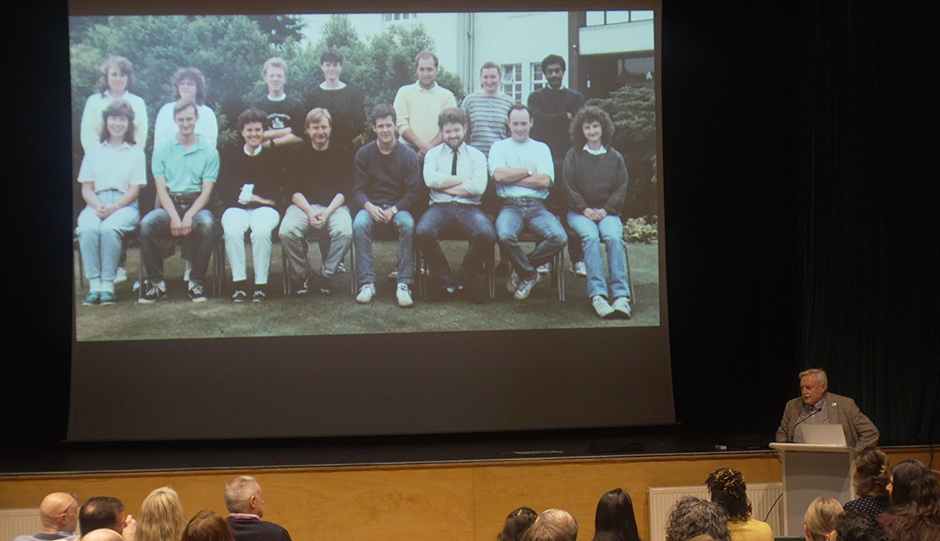
Then came the surprise. IBH Director, Tim George, introduced Wayne Powell, Chief Executive of SRUC, who had slipped in unannounced to honour Robbie and Joanne for four decades of transformative barley research. He credited them with shaping the Hutton’s global standing and the very existence of the IBH, putting Dundee firmly on the scientific map. Fittingly, their work on preharvest sprouting was featured on the cover of Science in January 2026, a powerful marker of the real-world impact of our research.
The business of the day concluded, it was time for a whisky tasting session, sponsored by the Scotch Whisky Association, and a dinner, sponsored by Diageo.
Day two carried the same energy, with talks on
- future-proofing barley in a changing climate
- nitrogen use efficiency
- malting barley
- plant plasticity under abiotic stress
- unlocking ancient diversity with Bere barley
- new systems for root imaging
- development of novel hybrid system
Ben Potts shared the first barley data emerging from the high‑throughput phenotyping platforms at the Advanced Plant Growth Centre (APGC), developed through the IBH/APGC collaboration. He drew everyone into the sheer scale of the dataset, highlighting just how much potential lies within these early phenotypic outputs and how much deeper analysis is still ahead.
His enthusiasm set the tone for a presentation by Manuel Feser, visiting from IPK, who shifted the spotlight from data generation to data responsibility. He made a compelling case for strong, reliable data management built on the FAIR principles (Findable, Accessible, Interoperable, Reuseable). He also reminded everyone that in an AI‑driven world, high‑quality data is not optional, but is the foundation for building trustworthy AI systems and ensuring that quality is a shared responsibility across the entire research community.
Together, these two talks formed a clear narrative arc, groundbreaking data on one side, and the discipline required to make that data meaningful on the other. A story of discovery paired with accountability.
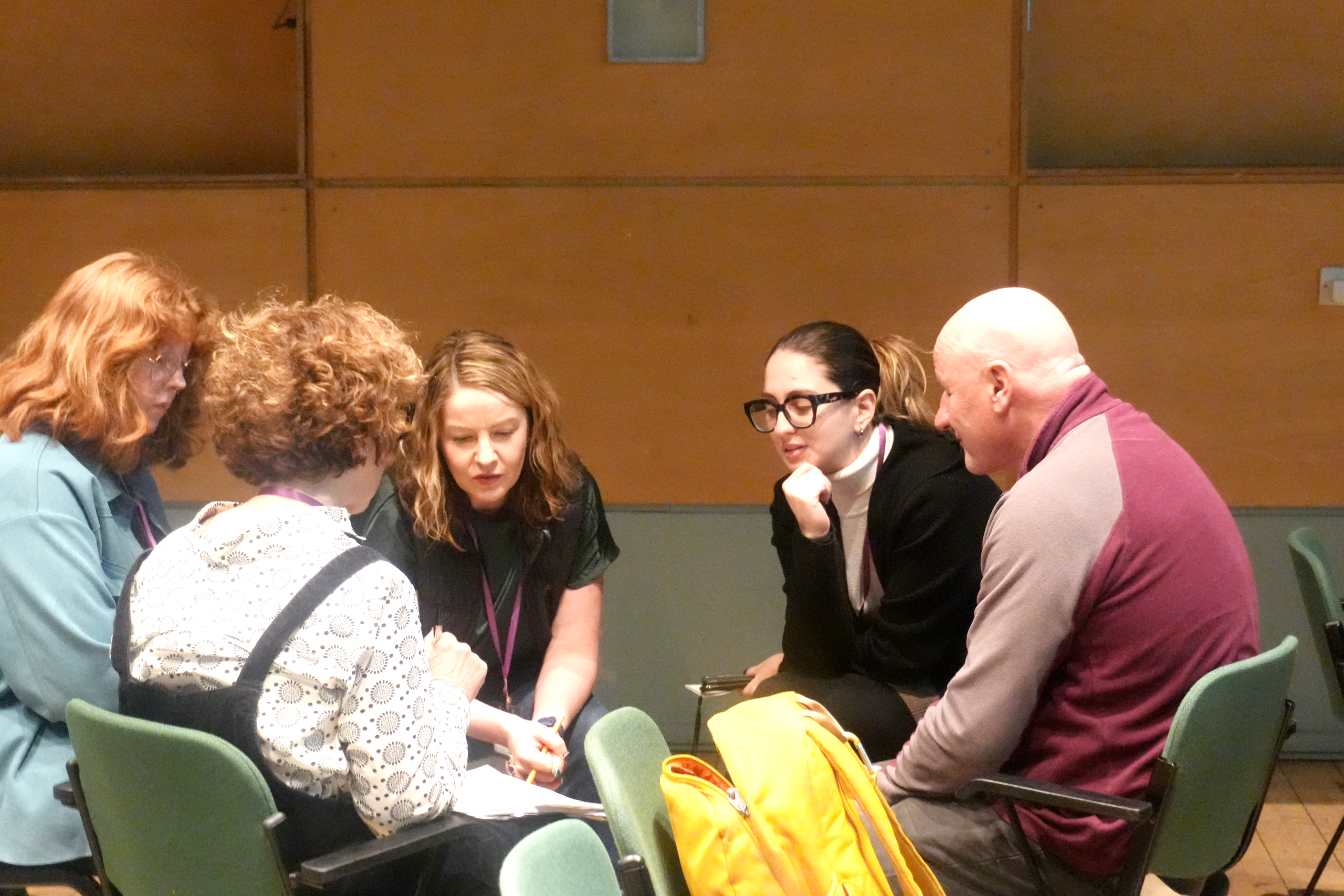
And of course, the Barley Away Days would not be the same without the quiz. The results were very close! Two teams tied on 11 points, just one behind the winners. Robbie and Joanne’s contribution to barley research seeped into the quiz so we learned that they first published a paper together in 1993, and that Robbie’s PhD ran to a whopping 378 pages, while Joanne kept hers to a lean 154.
The Barley Away Days are about so much more than barley. The big themes of the moment ran through the event: economic impact, social benefits, sustainability and resilience.
In closing, Tim George thanked everyone for two vibrant days and urged them to emulate the barley they are trying to create. Like the crop at the centre of it all, they must aim to be resilient and adaptable.
Barley Away Days wouldn’t happen without the generous support of SSCR, Diageo, the Scotch Whisky Association, Novogene, Thermo Scientific and LGC, and the team at the Birnam Arts Centre who kept everything running smoothly.
Fifteen years in and the conversation around barley is only getting richer.
Blog by Joyce Reid, Media Officer and Dr Isabelle Colas, deputy director of the International Barley Hub
Disclaimer: The views expressed in this blog post are the views of the author, and not an official position of the Hutton or funder.
