Winter 2025 – 2026, a season dominated by steady, persistent rainfall
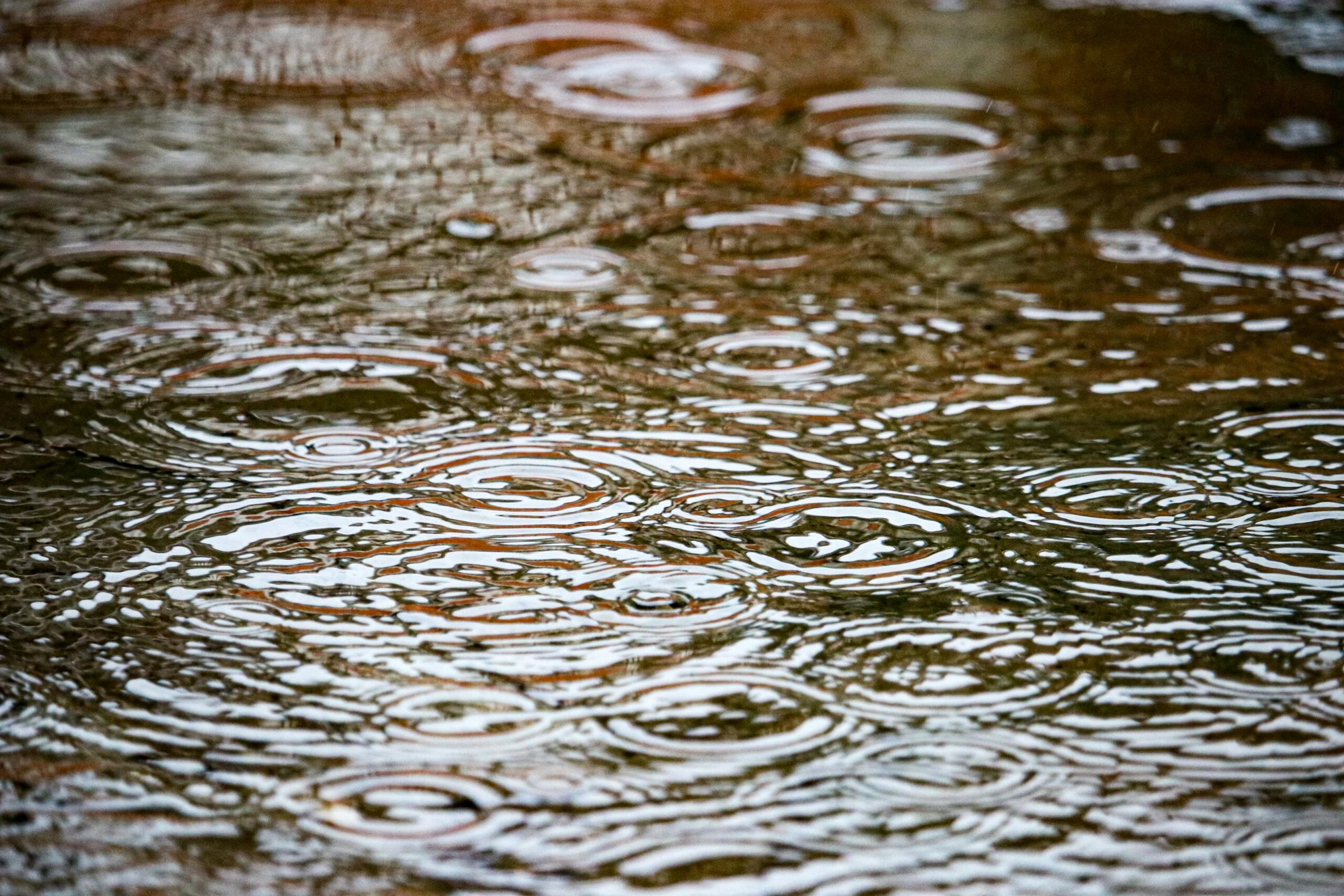
Winter 2025 – 2026 will be remembered as the winter when the rain just kept coming and our data confirms that it was indeed exceptionally wet. It was actually the second wettest winter recorded at our Invergowrie site since records began in 1954.
Meteorologists define the seasons using fixed calendar dates, which helps keep weather and climate records consistent. In meteorological terms, winter runs from 1st December to the last day of February, covering the three statistically coldest months in the northern hemisphere.
Previously, the second wettest winter on record was 2020 – 2021, when 312.2 mm of rainfall was collected. But by mid-February 2026, with 17 days of the month still to go, that total had already been surpassed.
By the time February finished, the winter rainfall total reached 332.4 mm.
That’s a remarkable amount of rain, although it still didn’t quite beat the all-time record, set a decade earlier. The wettest winter remains 2015–2016, when 380.4 mm was recorded.
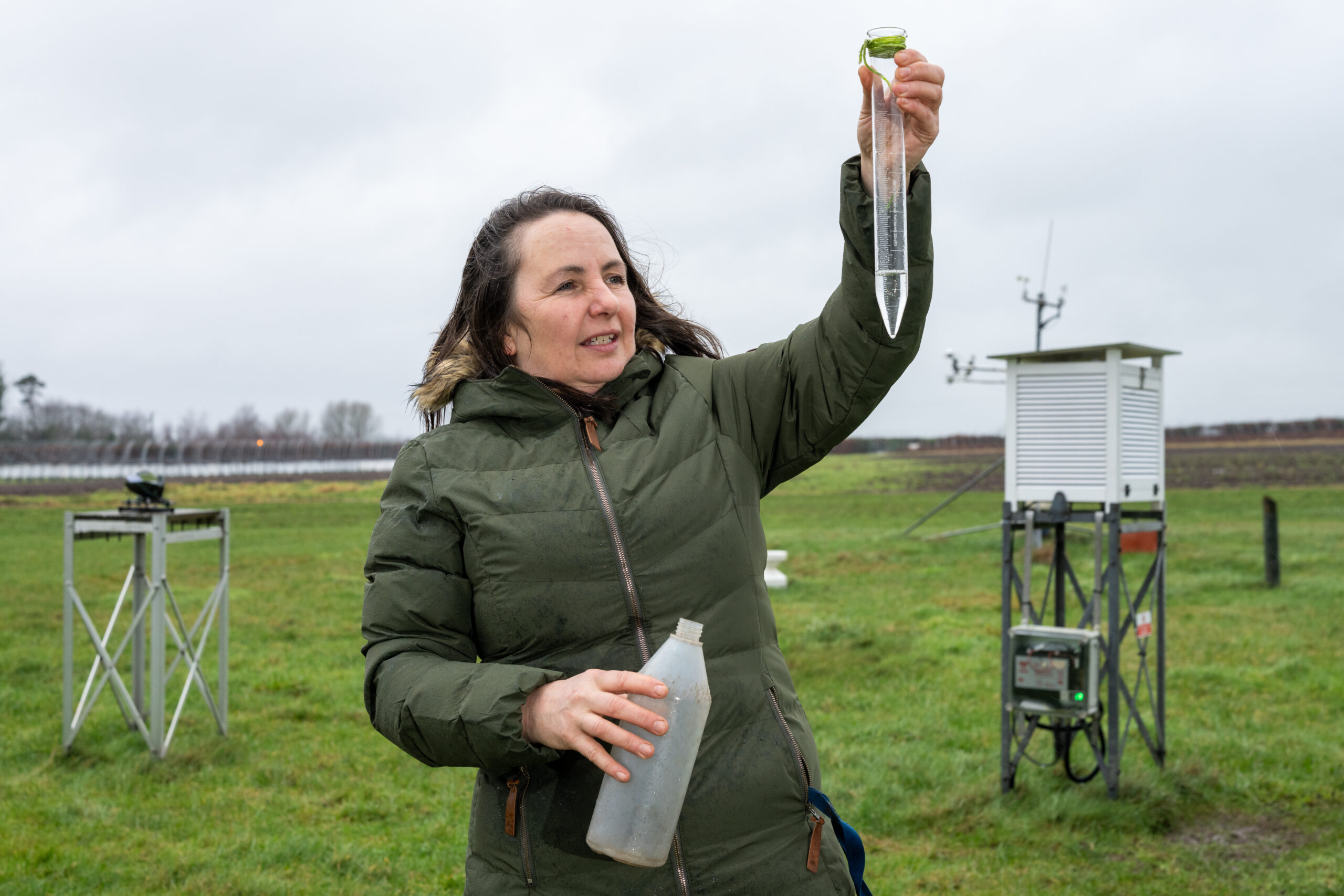
Despite all the rain, temperatures were above average overall, at 5.2°C.
Interestingly, both the warmest and coldest days this winter occurred in February. On the 24th we recorded 11.9°C, but only 3°C on the 14th.
What the season lacked most, however, was sunshine. Winter 2025–2026 turned out to be the dullest winter in 29 years and the 5th dullest on record, with only 128.1 hours of sunshine.
December: a mild start
Winter began with the 5th warmest December on record, with a mean daily air temperature of 5.9°C.
Sunshine was limited. December recorded 32 hours of sunshine, making it the 16th dullest December on record. Not nearly as bad as the dullest December, which was in 1978, when just 14 hours of sunshine were recorded.
Rainfall during December was above average, giving an early hint that this winter would be wetter than usual.
January: the rain arrived in earnest
If December hinted at a wet winter, January confirmed it.
January 2026 became the 4th wettest January since records began.
Unfortunately, weather data could not be collected on 30th and 31st January and 1st February due to a temporary interruption. The rainfall for those missing days was instead recorded on 2nd February.
Because of this, the numbers may slightly understate January’s ranking. Had the missing days been counted within the month itself, January might have been the 3rd wettest start to a year.
Even so, the totals were striking. We collected a total rainfall of 139.9 mm, 201.3% of the long-term average, making it the wettest January for 10 years.
Aside from rainfall, the rest of January’s weather was fairly typical. Sunshine was 95.5% of the long-term average and the mean air temperature was 3.2°C, not far off the long-term average of 3.7°C.
In other words, January felt fairly normal. Apart from all the rain.
February: mild, grey, and still very wet
This weather pattern continued into February.
The average air temperature rose to 5.2°C, which is 0.9°C above average. However, sunshine remained scarce. Only 45.6 hours of sunshine were recorded, which is just over half of the expected average of 82.4 hours.
That makes February 2026 the 6th wettest, 7th dullest and joint 9th warmest February since 1954.
And once again, rainfall stood out most dramatically.
A total of 116.8 mm of rain fell during the month, 220.4% of the long-term average.
The all-time February rainfall record still belongs to 1977, when 151.3 mm was collected.
All of these measurements are compared against the long-term climate average from 1991 to 2020, though it must be noted that this dataset is missing maximum air temperature readings between September and December 2017, when the Met Office removed all mercury thermometers.
What it meant on the ground
All that rain did have practical, though not severe, consequences.
The saturated ground delayed some planned work at our campus, including fruit planting and winter ploughing but it did not affect the main sowing and planting season, which remains on schedule.
On the upside, although it rained almost continuously for weeks, the rain fell slowly and steadily, so we avoided the flash flooding that has affected previous winters.
Blog by Joyce Reid, Media Officer
Disclaimer: The views expressed in this blog post are the views of the author, and not an official position of the Hutton or funder.
