‘Not all trees are equal’ – Study reveals importance of species selection when improving forest resilience and biodiversity
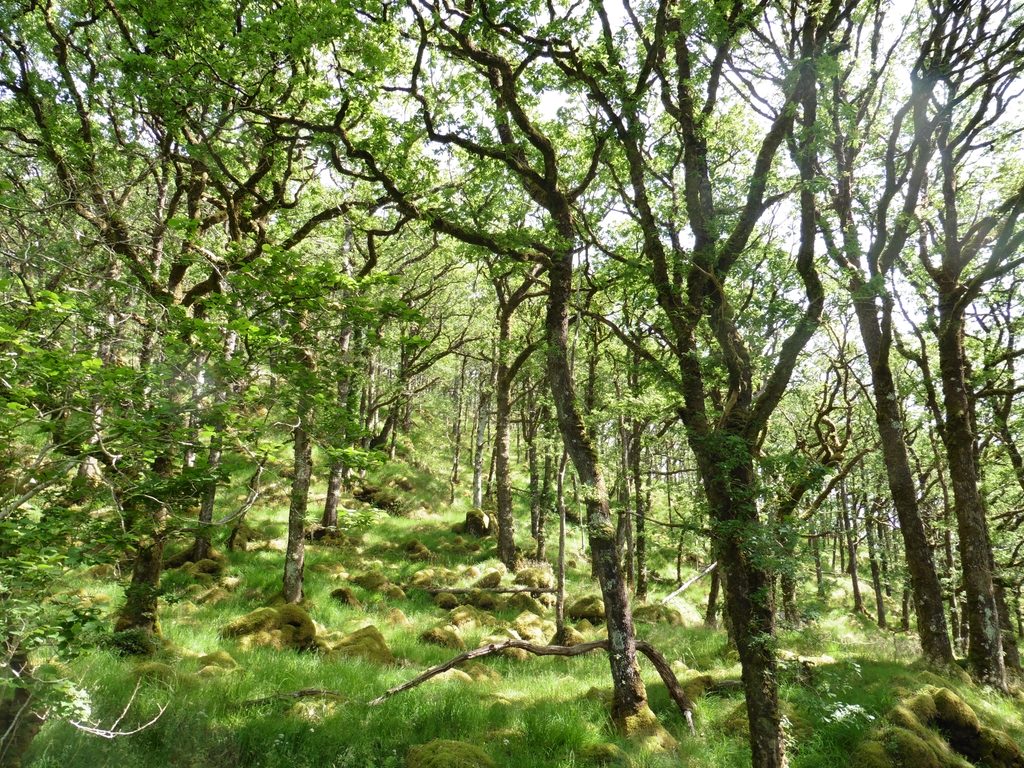
A new study led by The James Hutton Institute has shown that selecting the right tree species is key to improving woodland biodiversity and resilience, highlighting the need for greater focus on tree species composition in forestry policy.
While planting a wider variety of tree species is often seen as a way to make forests more resilient to climate change, pests and diseases; the study found that the choice of species is just as important as the level of diversity.
Working with collaborators from the Royal Society for the Protection of Birds (RSPB), the Royal Botanic Garden Edinburgh and an independent consultant, Hutton researchers investigated how different tree species mixtures support biodiversity. The study focused on four common UK forest trees: ash, oak, Scots pine and Sitka spruce.
Using datasets from previous Hutton studies, the team identified the species associated with each of these trees and assessed whether they could also use other tree species as habitat or food sources. They then modelled two hypothetical woodland scenarios:
- Best-case mixtures, where each added tree species supported the greatest number of additional species.
- Worst-case mixtures, where each added tree species supported very few additional species.
This allowed the researchers to test whether forest resilience depends simply on tree diversity or on the species included in the mix.
The findings showed that while adding more tree species generally improves forest resilience, the identity of those trees matters far more than the number planted.
For example, in the best-case mixtures, between 77% and 94% of the non-obligate species (species which don’t rely solely on one species of tree) associated with the host trees could still be supported. In the worst-case mixtures, that figure fell to between 1% and 11%.
Dr Ruth Mitchell, a woodland ecologist at The James Hutton Institute and lead author of the study, said: “We generally assume a diversity of trees species will provide resilience for biodiversity. By this I mean that if one tree species declines due to a pest, pathogen or climate change the tree associated biodiversity will use the other tree species.
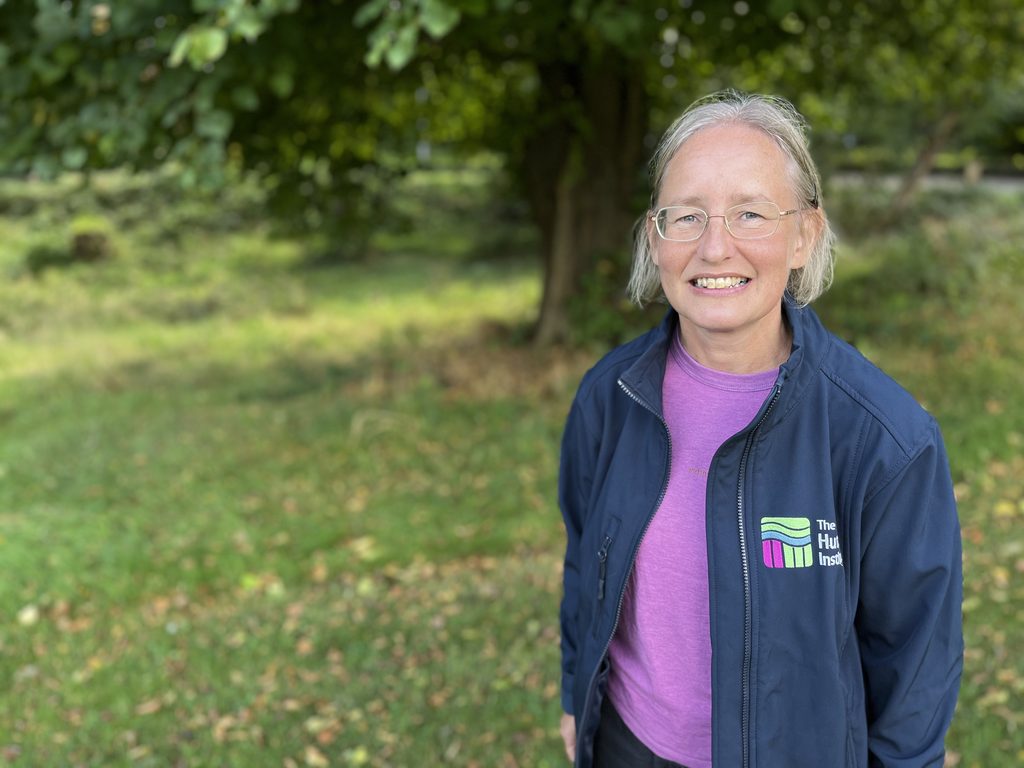
“However, this study shows that this isn’t necessarily true. To provide resilience for tree associated biodiversity we really need to think about which tree species we are planting in the mix.”
Paul Bellamy, senior conservation scientist at the RSPB, added: “Woodland managers face the decision of how to replace trees lost to disease, drought or storms and keep the woodland resilient to future threats.
“This study highlights the importance of understanding how the choice of tree species affects biodiversity when managing woodland to withstand changing environmental pressures and maintain their ecological importance.”
The full study, titled Not all trees are equal: Which tree species is more important than tree species diversity when considering provision of resilience for tree-associated biodiversity?, was published in the Quarterly Journal of Forestry as part of DiversiTree – a collaborative project aimed at increasing woodland resilience through greater tree species diversity.