Hutton scientists to present new insights into crop breeding to the European Parliament
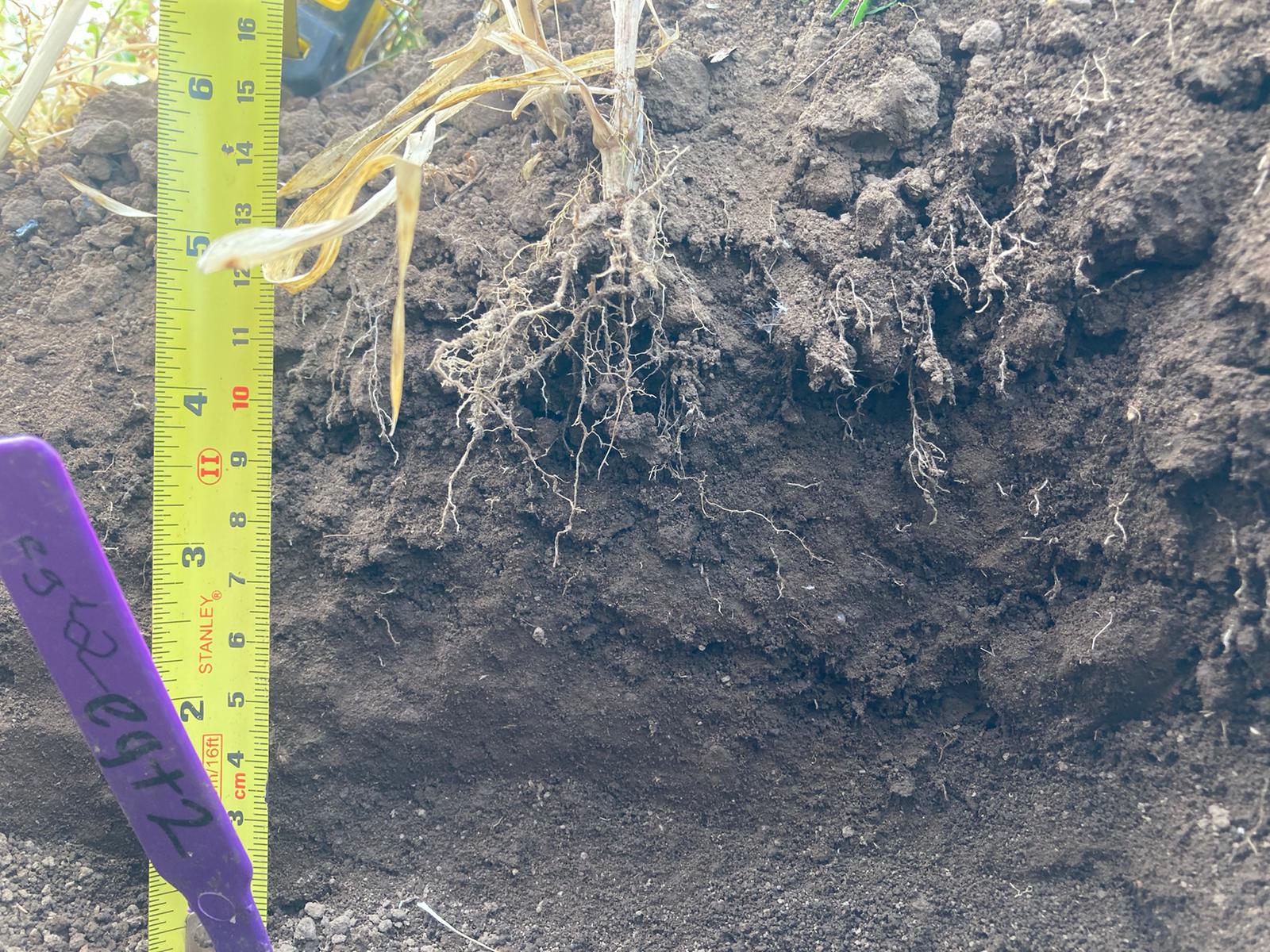
Scientists from The James Hutton Institute will contribute to a dedicated policy session at the European Parliament on 12 October, showcasing how advances in understanding root-soil interactions can help deliver the next generation of resource-efficient and climate-resilient crops.
The event, organised through the Horizon Europe projects, Root2Res and BarleyMicroBreed, will bring together policymakers, researchers, breeders, farmers and industry representatives to discuss how recent scientific breakthroughs can be translated into practical agricultural solutions and supportive policy frameworks.
Professor Tim George, Director of the International Barley Hub, hosted by the Hutton, and Deputy Coordinator of Root2Res, will present an introduction to the projects and contribute to a discussion linking food security and soil biodiversity. He said, “As climate change places increasing pressure on agricultural systems, it is important that we discuss with policymakers the need for crops that can maintain productivity while using resources more efficiently. Understanding how roots interact with soils and beneficial soil organisms gives us new opportunities to breed crops that are more resilient to drought, nutrient limitations and other environmental stresses.
“As climate change places increasing pressure on agricultural systems, it is important that we discuss with policymakers the need for crops that can maintain productivity while using resources more efficiently.”
Professor Tim George, Director of the International Barley Hub
“The evidence generated through Root2Res and our sister project, BarleyMicroBreed, demonstrate that investment in root-focused research and breeding can deliver practical benefits for farmers, food security and environmental sustainability.”
Traditionally, crop breeding has focused largely on above-ground characteristics such as yield and disease resistance, while root systems have received far less attention due to the challenges of studying them. However, researchers now recognise that roots play a critical role in helping crops tolerate environmental stresses and contribute to soil carbon storage.
The projects have developed a series of policy recommendations designed to accelerate the adoption of crop varieties that make more efficient use of natural resources while maintaining productivity under changing environmental conditions.
The recommendations are aligned with the European Commission’s Strategic Approach to Research and Innovation and support wider ambitions set out in the Vision for Agriculture and Food.
Root2Res brings together 22 partners from across the EU, the United Kingdom, Switzerland, Morocco and South Africa to develop new tools and approaches for breeding crops with improved tolerance to abiotic stresses and enhanced carbon sequestration potential.
It focuses on major crops including, barley, potatoes, faba bean and sweet potato. Researchers are developing advanced root phenotyping technologies, genetic tools and modelling approaches that will help breeders identify and develop varieties capable of thriving under challenging growing conditions.
BarleyMicroBreed complements this work by investigating how barley interacts with naturally occurring soil microbiomes. It aims to identify breeding strategies that harness beneficial soil microbial communities to increase drought resilience and resource-use efficiency.
Together, the two initiatives are generating evidence that below-ground traits and biodiversity should play a much greater role in crop improvement programmes and future agricultural policy.
The parliamentary session will also feature contributions from Members of the European Parliament and representatives of the European Commission, providing an opportunity to discuss how research and innovation can help build a more resilient and sustainable European food system.