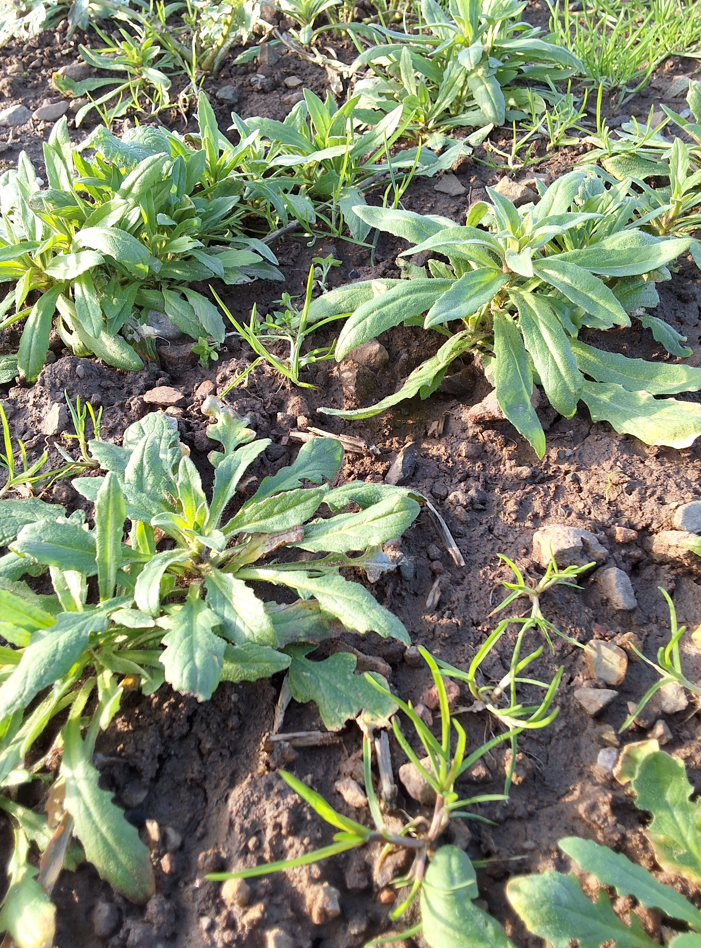
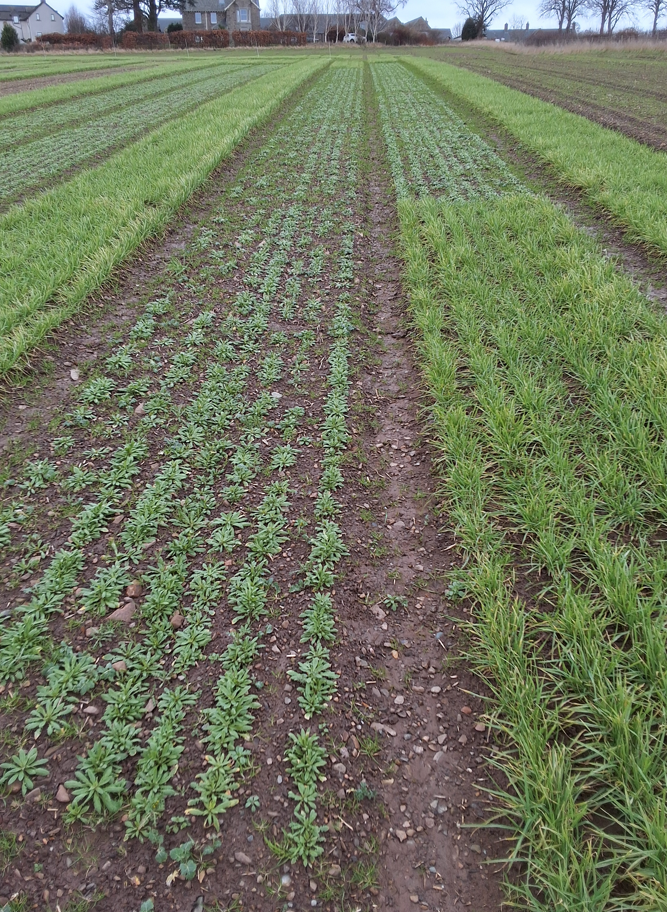
This project aims at understanding the agronomic options for growing oil producing plants in Scottish arable agricultural rotations.

Project background
The climate crisis is driving the Scottish and UK governments to seek evidence-based alternatives to fossils fuels. One site currently reliant on fossil fuel processing is the Grangemouth plant. A Just-Transition of the site is desirable. Project Willow (funded by the Scottish and UK Governments), has identified a preferred set of nine alternative processes that could be undertaken at Grangemouth, one of which is a biorefinery that would seek to process oil-based feedstocks into renewable diesel and sustainable aviation fuel. The aviation sector is currently a significant greenhouse gas emitter through its use of fossil fuels thus key to the success of this option is the production of, and access to, sufficient volumes of feedstocks of bio-oil of appropriate quality with a low climate impact. The biorefinery would need sufficient feedstock of oils, however Project Willow highlighted that there is not enough waste oil to supply this need, therefore, oil-based crops would be needed to fill this gap in the oil supply chain. Several potential issues have been identified, including the desire to not compete with current production of food and to not compete with barley due to its use in the brewing and distilling industry. Camelina was also identified as the best option to produce the oil for the biorefinery as it is currently being grown and used for aviation fuel on North American continent and Continental Europe.
A recent review title “Oil based cover crops for aviation fuel in Scotland – question and answer report”, explored options for the potential integration of Camelina into Scottish rotations, the area of land needed, pests & disease, potential farm gate economic analysis, potential alternative oil producing plants and breeding programme options. Camelina is a flexible crop with cultivars that can be planted in the Autumn or Spring and is considered tolerant to a range of soil conditions and climatic conditions. The report and pilot field trials project were funded by the Scottish Government – Environment, Natural Resources and Agriculture (ENRA) initiative that focuses on funding research aimed at addressing environmental challenges, promoting sustainable practices and supporting agricultural development. The field trials project aims at assessing different options for integrating Camelina into Scottish agricultural rotations.
Project field trials
This project aims at producing data to understand the growth and development of Camelina under Scottish conditions, including different agronomic approaches through a series of plot scale field trials. The trials were planted between September and October 2025, and included
a) five different sowing dates vs 5 different sowing densities;
b) 5 nitrogen inputs, plus 2 sulphur inputs (highest N only) x no weed control or weed control;
c) winter intercropping with winter wheat, and winter barley
d) spring intercropping with spring barley and peas (to be sown in spring)
e) alternatives comparison with winter linseed and safflower
In addition, winter camelina has been sown in half of each management treatment (integrated cropping vs standard practice) in the oilseed rape field at the Centre for sustainable cropping. This will test the performance of this crop compared to Brassica napus (Oil see rape), under low input/conservation tillage and in standard ploughed conditions at a commercially realistic field scale using standard farm machinery.
The crops will be monitored through the winter, with assessment of harvesting dates and the ability to sow spring barley and harvest that crop, thus enabling a measure of the impact on the following barley yield.
Monitoring will include:
Growth and development
Impacts on soil biodiversity indicators
Soil physical conditions
Seed yield, oil yield and oil quality