James Hutton Institute
 
  • Science
    • Our science
    • Research themes
    • Innovation centres
    • Science departments
    • Research projects
    • Postgraduate school
  • Scientific services
    • Our services
    • Analytical
    • Crop production
    • Research collaborations
    • How to work with us
  • Impact
    • Our impact
    • Open science
  • Resources
    • Blogs
    • Case studies
    • Hutton podcast
    • Hutton Highlights
    • Research projects
    • Soil data and maps
  • Latest
    • Events
    • News
    • Opportunities
  • About
    • About us
    • Who we are
    • Our people
    • Organisational structure, leadership and governance
    • Our history
    • Accreditation
    • Research integrity
  • Venue
    • Venue hire
    • Glensaugh campus
    • Invergowrie campus
  • Contact
    • Contact us
  • News
  • What’s on
  • About
  • Opportunities
  • Contact
  • Venue Hire
  • Shop
  • Basket
Search for:
  • Science
        • Science

        • Our science
        • Research themes
          • Connecting land and people
          • Crop resilience and sustainability
          • Protecting and enhancing natural capital
        • Innovation centres
        • Science departments
        • Research projects
        • Our people
        • Postgraduate school
          • Growing beans before barley could cut farming’s environmental footprint

            Putting field beans into cereal rotations can reduce fertiliser use, lower environmental impacts and increase the yield of the barley crop that follows.

            Find out more >

            Growing beans before barley could cut farming’s environmental footprint
  • Scientific services
        • Scientific services

        • Analytical
        • Improving crop production
        • Research collaborations
        • How to work with us
  • Resources
        • Resources

        • Blogs
        • Case studies
        • Hutton podcast
        • Hutton Highlights
        • Research projects
        • Soil data and maps
          • From the Andes to Scotland: Exploring potato diversity for a climate-resilient future

            Some of the solutions to the challenges facing potato production may already exist in the remarkable potato diversity that farmers in the Andes have been conserving for generations

            Find out more >

            From the Andes to Scotland: Exploring potato diversity for a climate-resilient future
  • Impact
        • Impact

        • Our impact
        • Open science
          • SeaDyes: Scaling sustainable marine-derived dyes through scientific and commercial collaboration

            While marine-derived, nature-based dyes offer a promising alternative, developing them into consistent, reproducible and commercially viable products presents significant scientific and technical challenges.

            Find out more >

            SeaDyes: Scaling sustainable marine-derived dyes through scientific and commercial collaboration
  • Accommodation to lease
  • James Hutton Tercentenary
Home > News > Scientists at The James Hutton Institute want to learn lessons from climate change communication to save our soil

Scientists at The James Hutton Institute want to learn lessons from climate change communication to save our soil

12 September 2025

An article by soil scientists from The James Hutton Institute, published in the European Journal of Soil Science, urges us all to play our part in protecting our soil and to heed the lessons learnt from those who have been championing actions to mitigate the effects of climate change.

Soil is an often-ignored natural asset that contributes to our daily life. Soil supports food production, is core to our iconic landscapes, hosts approximately 60% of all biodiversity, helps mitigate climate change impacts and underpins our daily infrastructure such as roads and buildings.

But due to human activities, our soils are becoming increasingly degraded, and soil health and the ability of soils to fully function is declining. To address this decline and the capacity of soil to perform as a vital living ecosystem that sustains plants, animals and society, it is important that everyone comes together to help protect and improve soil health.

Dr Karolina Trdlicova, a social scientist at The James Hutton Institute, said, “Positive societal action for soil protection requires effective communication, so there is an opportunity for lessons to be learnt from the communication on climate change which has been arguably ineffective in generating the necessary positive action from all members of society.”

Dr Trdlicova argues that we have the chance to avoid some of the pitfalls that may give rise to the feeling that the situation is already hopeless, and that setting ‘deadlines’ or ‘tipping points’ has not proved to be a helpful strategy in communicating the climate emergency.

It is vital that soil communicators are seen as both credible and trusted voices with their actions matching their advocacy.

She urges those who communicate on topics associated with soil to be mindful of the so-called value-action gap, that is the gap between caring about soils, knowing the importance of soils and positively acting to help protect soils. It is also important that soil communicators do not assume that the public lack knowledge on soils.  Many who live in rural communities are highly knowledgeable on the importance of soil.

“Positive societal action for soil protection requires effective communication, so there is an opportunity for lessons to be learnt from the communication on climate change which has been arguably ineffective in generating the necessary positive action from all members of society.”

Dr Karolina Trdlicova, The James Hutton Institute
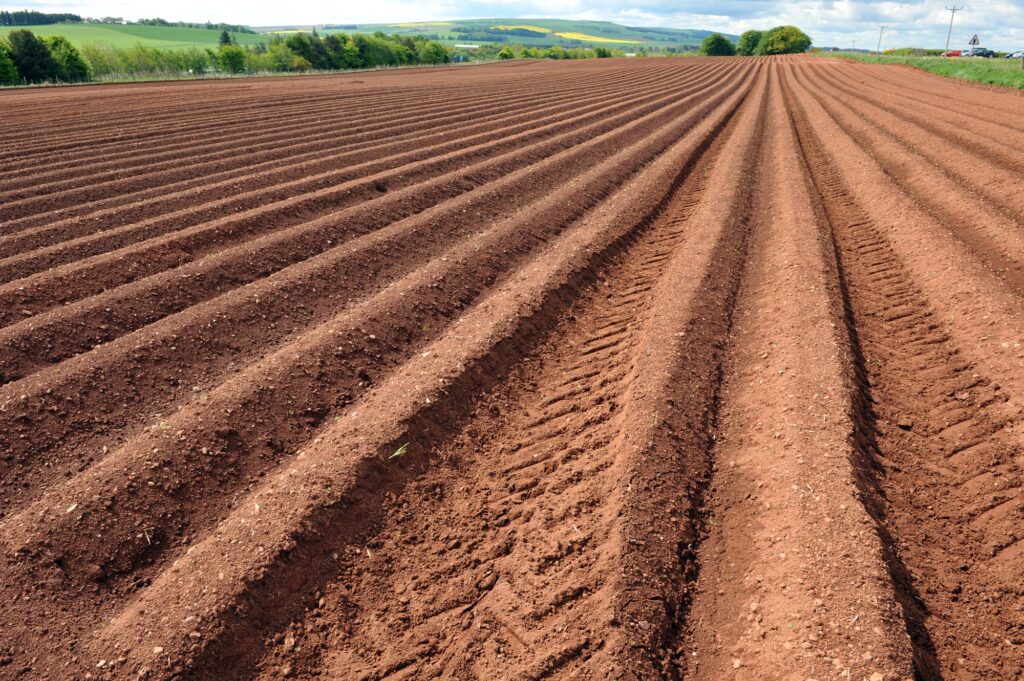
Field Soil Furrows
Field Soil Furrows

The Hutton, an independent research organisation delivering fundamental and applied science to drive the sustainable use of land and natural resources, has over 90 years of experience of working with soils and farmers, and is responsible for the National Soils Database for Scotland Home | Scotland’s soils

Dr Roy Neilson, soil ecologist at the Hutton, says that if they want people to care about soil, communicators should focus on positive action to protect soil that, in turn, generates recognition that soil supports our daily lives.  This may avoid the feeling that many have on climate change that there is nothing that can be done.

The opinion piece, The Language of Soil: Learning the Lessons from Climate Change, can be read here http://dx.doi.org/10.1111/ejss.70188


For more information contact Media Officer, Joyce Reid, joyce.reid@hutton.ac.uk, or on 07931 551 988

James Hutton Institute

Want to keep up to date with our research, news and events?

Subscribe to our quarterly e-magazine, Hutton Highlights.

The James Hutton Institute
Craigiebuckler
Aberdeen AB15 8QH
Scotland

The James Hutton Institute
Invergowrie
Dundee DD2 5DA
Scotland

Phone: +44 (0)344 928 5428
Email: info@hutton.ac.uk

Hutton Scientific Services
Phone: +44 (0)1382 568 568
Email: info@huttonltd.com


  • Privacy Policy
  • Accessibility
    • Modern Slavery Statement
  • Cookie Policy
  • ACCREDITATION
  • Staff Services
  • Freedom of Information
  • Data Protection/GDPR

A Scottish charitable company limited by guarantee. Registered in Scotland No SC374831. Registered office: The James Hutton Institute, Invergowrie Dundee DD2 5DA. Charity No SCO41796