Scientists make important discovery in 50-year barley mystery
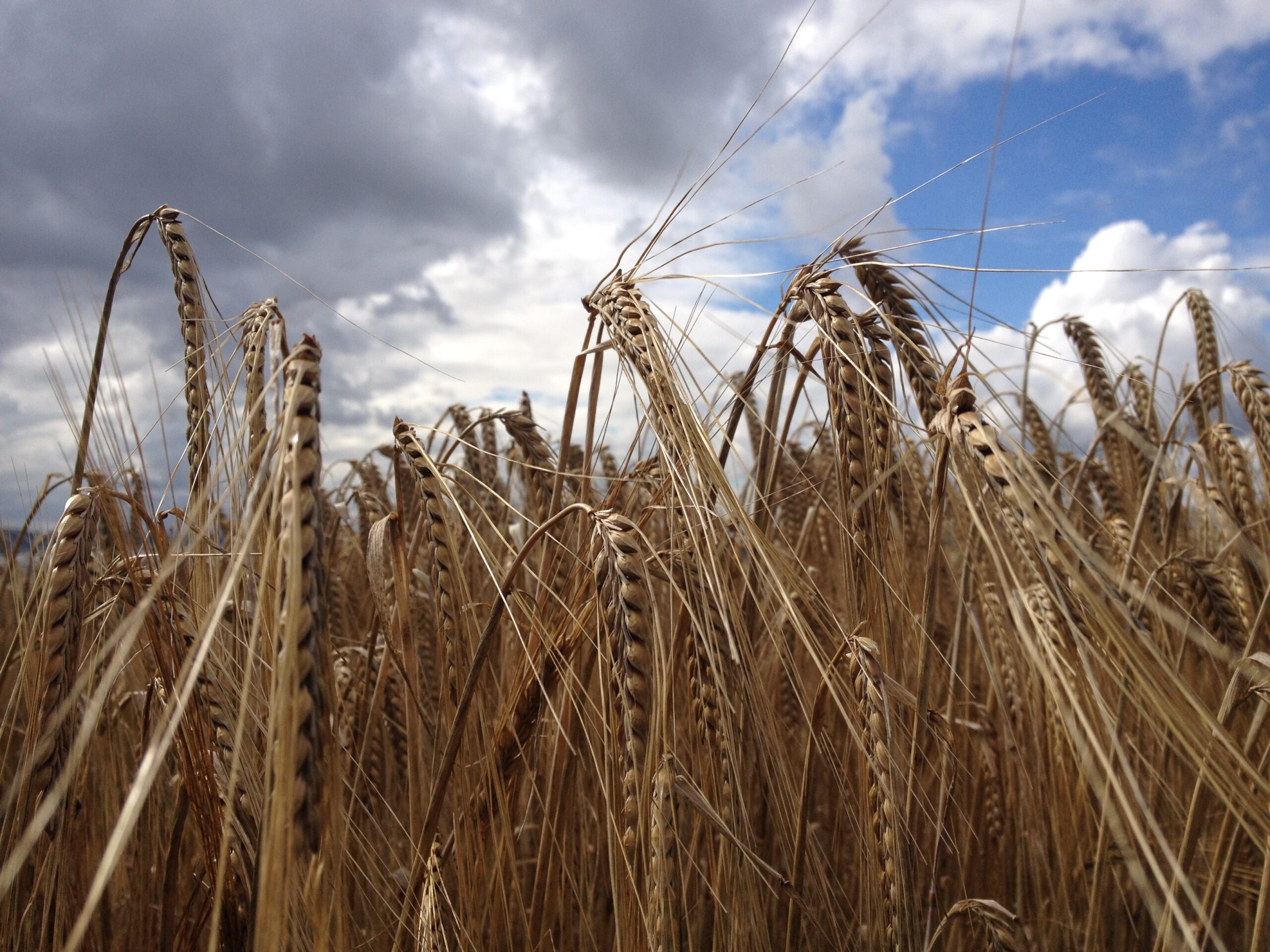
Researchers at the International Barley Hub, based The James Hutton Institute, searching for ways to make barley a more sustainable crop, have solved the mystery of a barley mutant called desynaptic8, first discovered in the 1970s.
A recent study, published in the Journal of Experimental Botany explains why the chromosomes in these plants do not separate properly during reproduction, causing the plant to produce fewer seeds.
Using modern genetic tools, they discovered that desynaptic8 is caused by damage to HvXRCC2, the barley version of a DNA repair gene also found in humans.
The International Barley Hub (IBH) promotes scientific discovery and innovation to future-proof barley, the predominant crop grown in Scotland and is part of a £62m investment through the Tay Cities Region Deal (TCRD) a partnership between local, Scottish and UK governments and the private, academic and voluntary sectors. Climate change and other environmental challenges, coupled with an increasing demand for the crop means that research into genetics and breeding is vitally important to safeguard production and ensure a sustainable future for this most critical of crops.
“You can think of meiosis as nature’s way of shuffling a deck of cards. Understanding how this shuffling works can help breeders develop improved barley varieties faster.”
Dr Isabelle Colas – The James Hutton Institute
Dr Isabelle Colas, deputy director of the International Barley Hub (IBH) and lead author of the report explains more: “The barley crop that farmers grow for food, animal feed, and malting, is dependent on plant breeding to develop new varieties that yield more, resist disease, and cope better with changing weather.
“At the heart of the breeding process is a natural event called meiosis, where plants mix their genetic information to create the next generation. During meiosis, chromosomes exchange pieces of DNA in events known as crossovers. These swaps help chromosomes separate properly and create new combinations of traits. Without enough crossovers, plants can become partly sterile and produce fewer seeds.
“You can think of meiosis as nature’s way of shuffling a deck of cards. Each seed in a crossing programme gets a slightly different mix of traits, giving breeders the variation they need to select better plants. Understanding how this shuffling works can help breeders develop improved barley varieties faster and at lower cost.”
In barley and other cereal crops, genes do not mix evenly, which makes breeding new varieties slower. Scientists hoped that removing a gene called XRCC2, which is known to improve gene mixing in the model plant Arabidopsis thaliana, might also help barley breeding.
However, in barley the result was very different. Without HvXRCC2, cell division during reproduction goes wrong, gene mixing drops by about 40%, and chromosomes do not separate properly, all leading to poor seed production.
Because of this, HvXRCC2 is not a useful target for barley breeding. The study shows that genes can behave very differently across species and highlights why crop-specific research is essential to avoid wasted effort and develop better crops for the future.
