Crop Trials
Crop trials are systematic experiments designed to evaluate the performance of different crop varieties and agricultural practices under specific conditions
They provide critical data on yield, disease resistance, and adaptability to climate factors, helping farmers make informed decisions. Ultimately, they support food security and sustainable farming practices worldwide.
Crop Trials – driving food security
Trials play a crucial role in advancing agricultural practices and addressing food security challenges. By systematically testing various crop varieties, products, and cultivation methods under controlled conditions, these trials generate valuable data on yield potential, disease resistance, and adaptability to environmental stresses. This information is essential for farmers to make informed decisions about which crops to plant and products to use, especially in the face of climate change, which increasingly threatens agricultural productivity.
One significant problem they help solve is the challenge of food insecurity. With the global population projected to reach nearly 10 billion by 2050, the demand for food will rise dramatically. Crop trials identify high-yielding and resilient varieties that can thrive in diverse climates, ensuring a stable food supply. Additionally, they contribute to the development of crops with enhanced nutritional profiles, addressing malnutrition in vulnerable populations.
Trials also address pest and disease management. By evaluating crop responses to various pathogens, researchers can identify resistant varieties, reduce reliance on chemical pesticides, and promote sustainable farming practices. This not only benefits farmers but also helps preserve biodiversity and reduce negative environmental impacts.
Toby Alkhersan, Crop Trials Manager
One significant problem crop trials help solve is the challenge of food insecurity. With the global population projected to reach nearly 10 billion by 2050, the demand for food will rise dramatically. Crop trials identify high-yielding and resilient varieties that can thrive in diverse climates, ensuring a stable food supply.
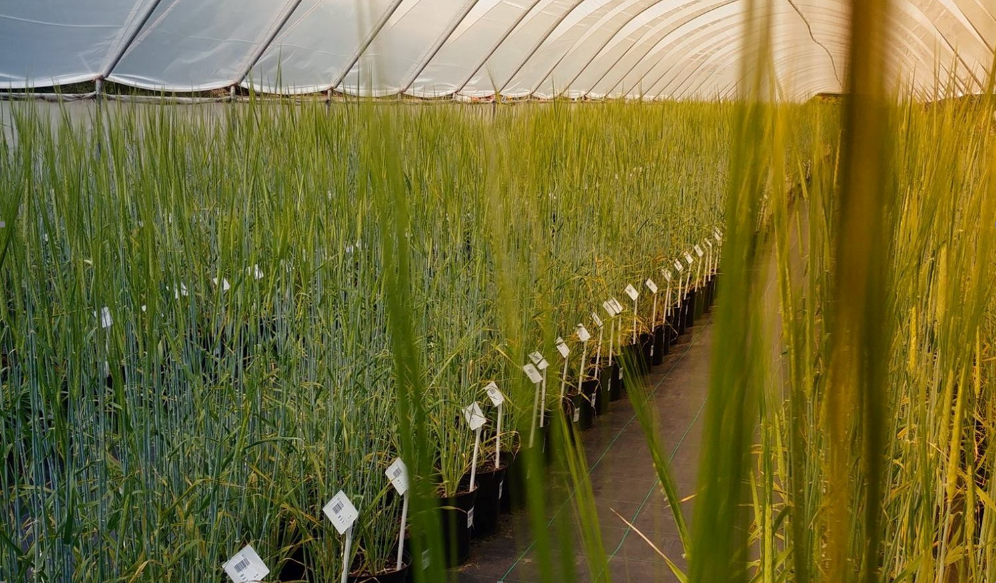
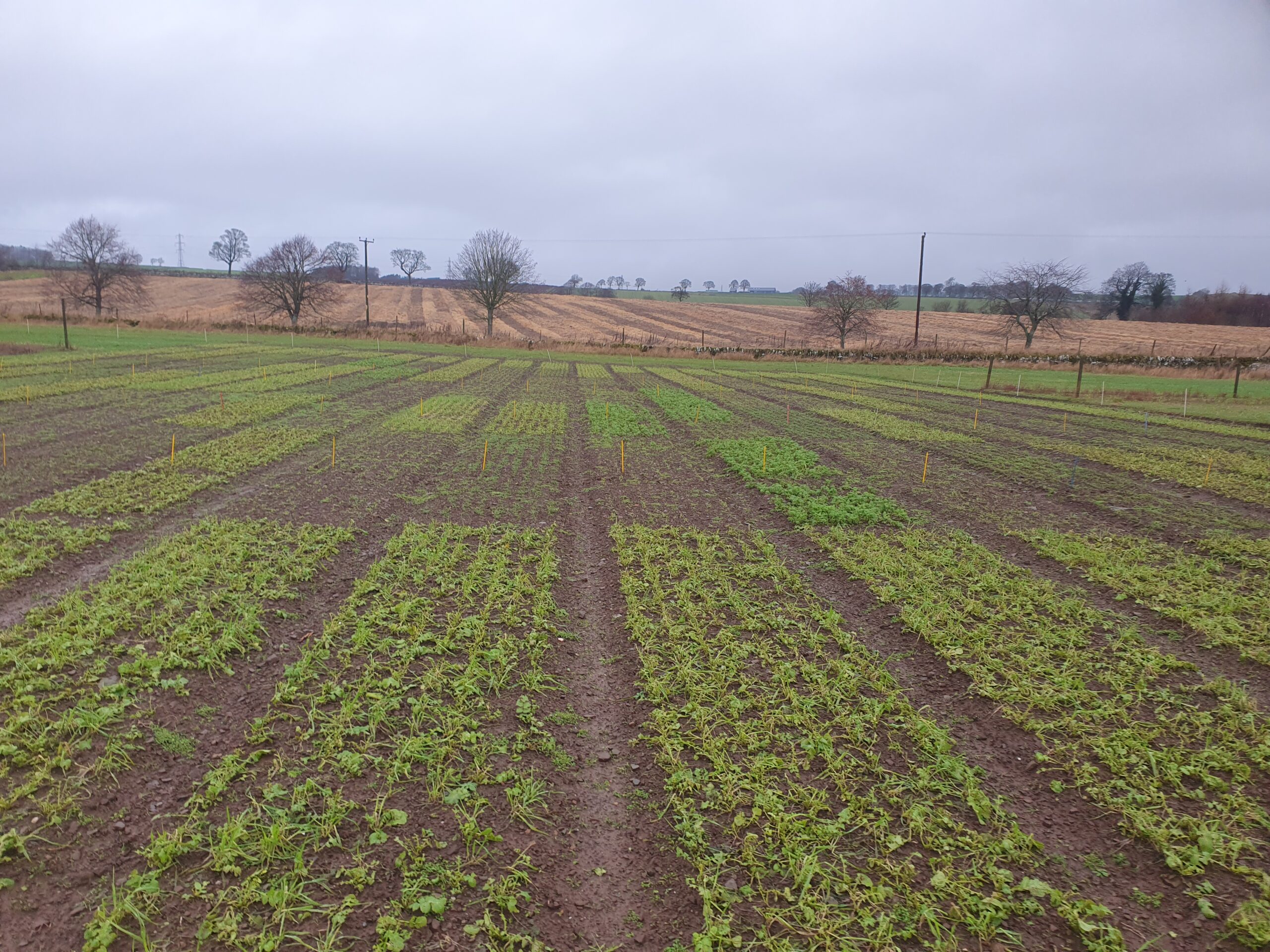
As agriculture faces increasing pressure, crop trials assist in developing varieties and products that can withstand these changes and still maintain and improve global food systems. Overall, they are a fundamental tool in the quest for sustainable food systems, providing solutions to the pressing challenges of our time while ensuring that farmers can adapt to changing conditions and maintain productivity and profit.
Crop trials evaluate the performance of crop varieties, treatments or management practices under real growing conditions. James Hutton Institute Scientific Services conducts crop trials to generate reliable data that helps researchers, breeders and agricultural businesses assess crop productivity, resilience and quality.
James Hutton Institute Scientific Services can support a range of crop trials including variety performance testing, agronomy trials, disease resistance studies and input evaluations. These trials provide valuable insights into how crops respond to different environments and management strategies.
By testing new crop varieties and management techniques, crop trials help identify solutions that improve yield, quality and sustainability. James Hutton Institute Scientific Services provides the data needed to support innovation and improve crop production systems.
