Aberdeen: An Outdoor Learning Hub?
Why does outdoor learning matter?
If we’re serious about addressing the interconnected challenges of climate change, biodiversity loss, and declining wellbeing, we need to make every effort to nurture a society that is connected to nature and understands its value. Experiences in the outdoors can support health, wellbeing, development, and engagement with learning, while also fostering a lasting commitment to caring for the natural world.
School-based outdoor learning (OL) offers an opportunity to ensure that children and young people have access to regular, high quality, progressive experiences in nature. Yet, despite strong cross-policy support, OL provision is piecemeal and declining, with schools in more deprived areas offering fewer opportunities. Scottish primary school pupils spend an average of just seven minutes per week learning outdoors.
For many children, school may offer one of the few opportunities of their lifetimes to spend meaningful time in nature. In this context, school-based OL represents a powerful national mechanism for delivering more equitable access to the outdoors and nature, and to the reciprocal benefits that this delivers. The question is: how do we create the conditions that allow outdoor learning to flourish?
Enabling more outdoor learning in Aberdeen
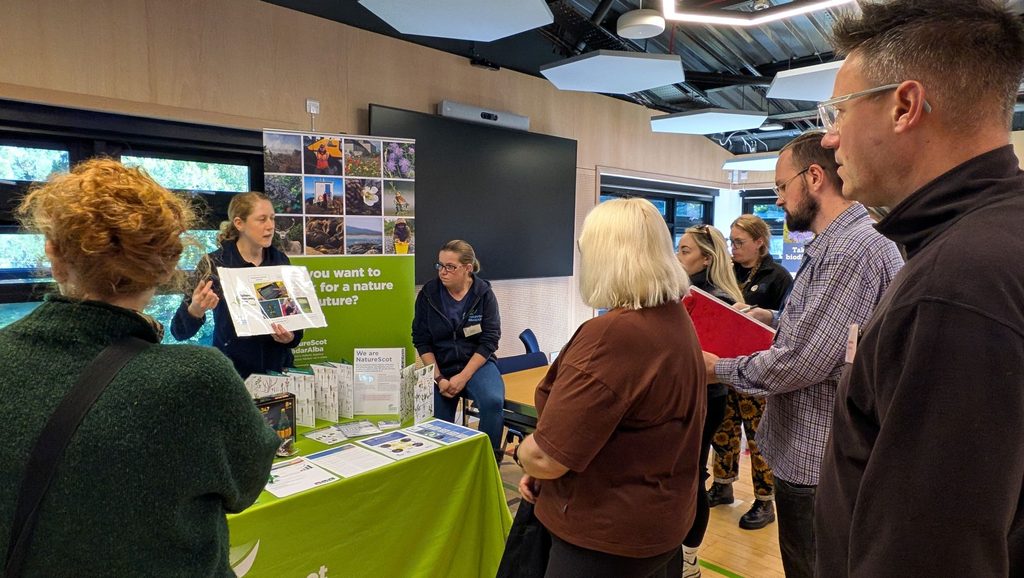
Following on from consultations with local stakeholders which explored this very question, we partnered with NatureScot to host a ‘Supporting Outdoor Learning in Aberdeen’ event in October 2026. It brought together 45 attendees – primary school staff, outdoor specialists and researchers – for a day of ‘outdoor learning matchmaking’ and co-learning through presentations, discussions, hands-on workshops and an ‘Outdoor Learning Fair’.
The aim of the day was to connect people and organisations within Aberdeen City’s outdoor learning ecosystem to promote the growth of a stronger culture of OL. Rather than focusing on specific skills or curriculum areas, the day centred on broader questions of what educators need to make OL an embedded part of practice.
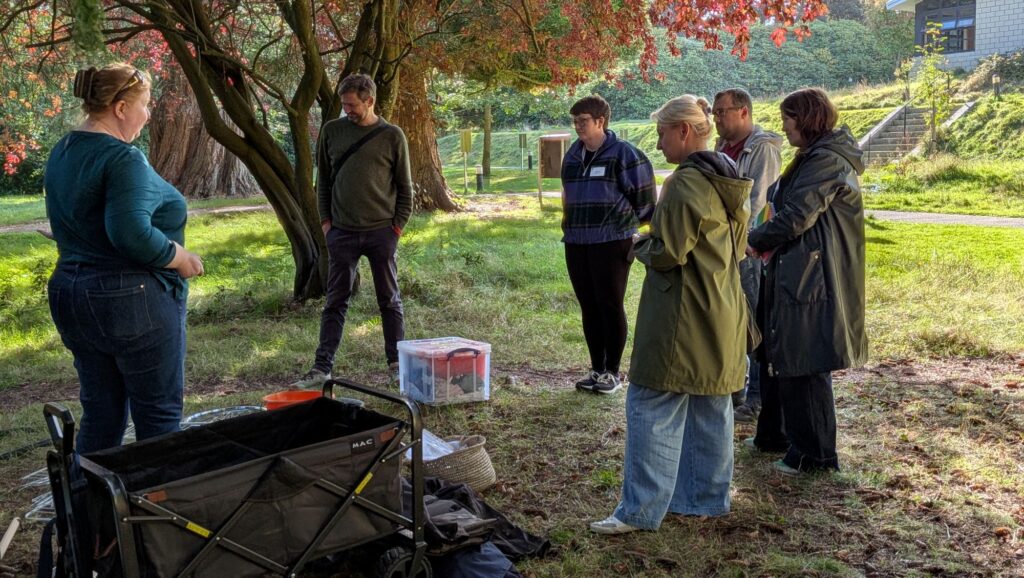
From our perspective, the consultations and subsequent event have highlighted the role that organisations like ours can play within outdoor learning ecosystems. We recognise that the Hutton can make important ongoing contributions towards creating the conditions in which outdoor learning can thrive in Aberdeen.
A campus for outdoor learning
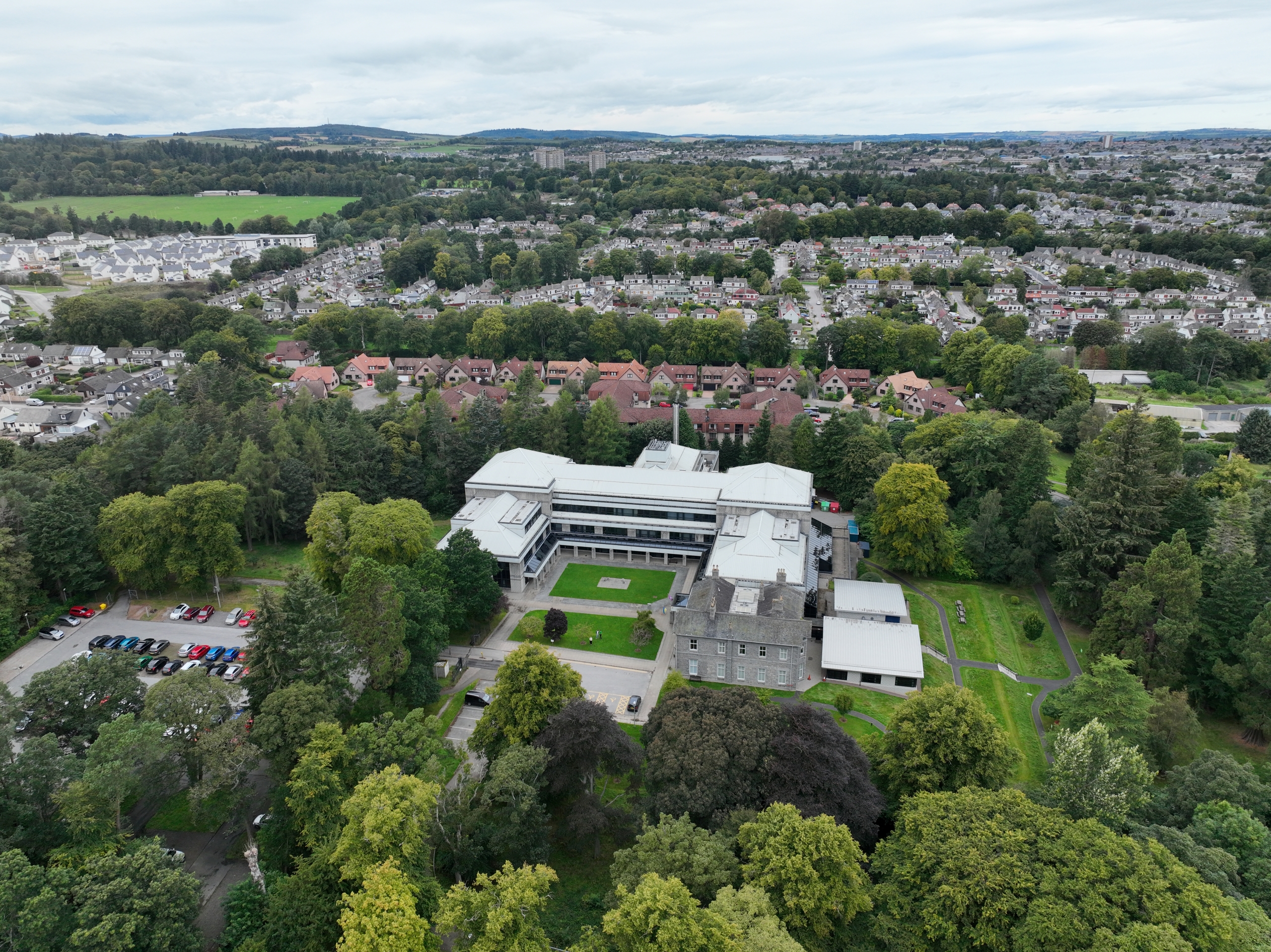
The Hutton has much to offer the communities of Aberdeen in terms of its infrastructure and the expertise it hosts. The Hutton Hub, combined with a public café space and beautiful campus, form a perfect setting for OL activities and training. Our grounds are already being used regularly by school groups and Root:Ed Outdoor Learning, and we’ve recently installed a wildlife sculpture trail and stump seating to encourage further engagement.
The Hutton campus is also home to some brilliant organisations. Campus partners include North East Scotland Biodiversity Partnership (NESBiP), NESCAN, RSPB Scotland, and the Aberdeen City Countryside Ranger Service. We couldn’t be in better company when it comes to biodiversity, climate change and environmental education expertise. And that’s not to mention our very own ecologists and environmental scientists, many of whom love to share their knowledge on topics like fungi, forests and rivers.
Outdoor learning research
The Hutton’s social sciences department, SEGS, has a broad range of expertise relating to people’s relationships with nature and environmental governance. Of particular interest are ideas around reciprocal care for nature and how to encourage nature engagement. It’s this last part that’s important to this discussion: how do we design, implement and sustain interventions to encourage nature engagement?
Actions we take to encourage people to engage with nature, such as OL, can be referred to as ‘nature-based interventions’. While existing studies have explored the benefits of and barriers to OL, a few important evidence gaps remain. For example, research on barriers to OL has often focussed on staff or school capacity to deliver – highlighting things like teacher skills and confidence, or availability of outdoor spaces. Less attention has been paid to broader factors that shape delivery and continuity – things like leadership, policy messaging or competing priorities. There is even less research on what might be called ‘enablers’ of OL.
We see important opportunities to study the governance of OL – how it is understood and enacted, from national agenda setting, through to delivery by local authorities, school clusters and individual schools. By closely examining the factors that shape the delivery of OL at different scales, and the outcomes it is intended to achieve, it becomes possible to identify the conditions which allow OL to flourish and be sustained.
Outdoor learning partnerships
One aspect of local-scale governance that might warrant further investigation is partnership working. Experience suggests that embedded OL is often supported by partnerships that provide boots on the ground, advice, resources, spaces, and opportunities. However, there isn’t a great deal of research examining how partnerships or other arrangements might support or hinder OL.
This presents an exciting opportunity for collaborative research here in Aberdeen. The Enabling Outdoor Learning event is a first step in this process. By continuing to nurture this local network, there is potential to co-create a strong partnership model. Importantly, as our involvement demonstrates, partnerships need not be limited to outdoor learning providers and schools – there are many other organisations across Aberdeen with assets, knowledge or networks who could become valuable contributors.
By studying partnerships as they develop, we can learn about the conditions that allow OL to flourish and collate evidence on what’s important for long-term success. In doing so, Aberdeen could become a hub of OL, one which contributes to building a broader understanding of how these conditions can be created elsewhere, ultimately supporting more equitable access to outdoor learning and its benefits for children across Scotland.
What next?
The response to the event has been wonderfully positive, with clear appetite for ongoing networking opportunities and professional learning, especially in-school training. School staff also expressed interest in an online hub – a place to find resources, support and opportunities, as well as to easily connect with peers and outdoor specialists.
We’ve also had enquiries about running similar events in secondary contexts and other local authority areas. The prospect of connecting primary and secondary colleagues is exciting in terms of peer learning and possibilities for space or resource sharing. Connecting colleagues from different local authority areas could offer similar rich cross fertilisation across contexts.
Whether Aberdeen can become an outdoor learning hub remains to be seen, but the enthusiasm and collaboration demonstrated so far is very encouraging. What happens next will depend on the continued involvement of schools, organisations and individuals across the city. We’re currently exploring funding opportunities to support future work. If you have ideas, experiences, opportunities or simply an interest in being part of the conversation, we would be delighted to hear from you. Please get in touch with esther.banks@hutton.ac.uk.
A final huge thank you to everyone who contributed their time, ideas, and expertise to the event, including:
- Aberdeen City Council Countryside Ranger Service
- Hazlehead Primary and all other Aberdeen school staff
- Learning through Landscapes Scotland
- Mucky Boots
- Mud Pies
- NatureScot
- North East Scotland Biodiversity Partnership (NESBiP)
- Outdoor and Woodland Learning NE Scotland (OWLNEG)
- Play Scotland
- Root:Ed Outdoor Learning
- Salugen | Nature Nurture
- Silverhaar
- University of Aberdeen
Blog by Esther Banks, Research Assistant in the Social, Economic and Geographical Sciences department.
Disclaimer: The views expressed in this blog post are the views of the author, and not an official position of the Hutton or funder.