Intercropping
Practical intercropping strategies delivering productivity, resilience and sustainability
Intercropping is an innovative farming approach that maximises land use while enhancing biodiversity and soil health. By growing complementary crops together, producers can increase productivity, reduce pest pressure and strengthen resilience to climate variability.
Intercropping – unlock agricultural potential
Intercropping can lead to more sustainable practices, reducing the need for chemical inputs and fostering a healthier ecosystem. With improved efficiency and profitability, your company can meet growing consumer demand for sustainable products while enhancing brand reputation. Embrace intercropping today to cultivate a more productive, resilient future for your business and the planet!
Join the Movement
As the agricultural landscape continues to evolve, embracing innovative practices is essential for success. The James Hutton Institute’s commitment to research and development in intercropping offers a pathway for commercial organisations to not only enhance their productivity but also contribute to a more sustainable future.
Several commercial organizations have already benefited from the James Hutton Institute’s insights. By implementing intercropping techniques, these businesses have reported significant increases in productivity and sustainability. Farmers have transformed their operations, leveraging research-backed strategies to cultivate crops that thrive together, ultimately boosting their competitiveness in the market.
Jamie Smith, Business Development Manager
By investing in intercropping strategies businesses can harness the power of nature to drive prosperity. Let’s cultivate a future where both agriculture and the environment flourish together. For more information on how intercropping can transform your agricultural practices, reach out to our team of experts today.
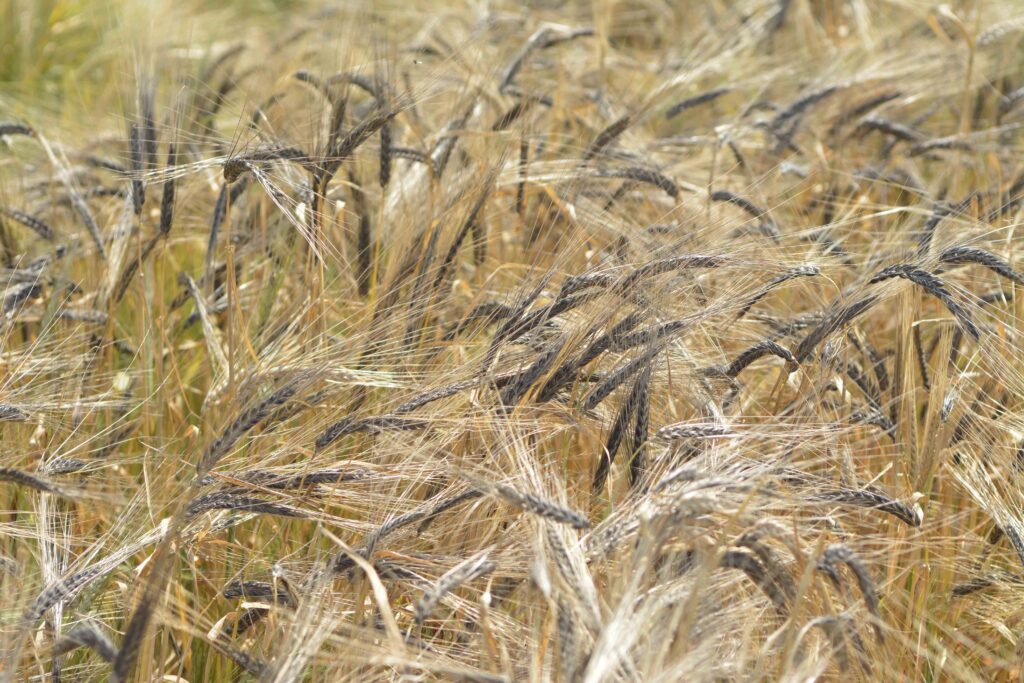
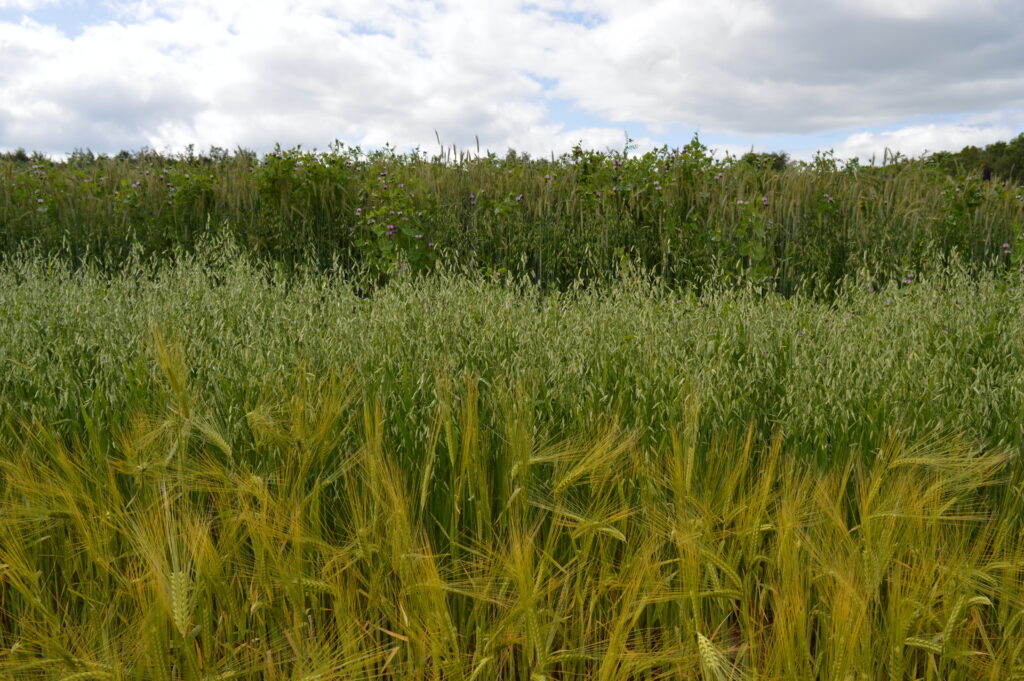
By investing in intercropping strategies businesses can harness the power of nature to drive prosperity. Let’s cultivate a future where both agriculture and the environment flourish together. For more information on how the technique can transform your agricultural practices, reach out to our team of experts today. Together, we can sow the seeds of success!
Intercropping is the practice of growing two or more crops together in the same field at the same time. Research collaborations supported by James Hutton Institute Scientific Services explore how intercropping systems can improve productivity, biodiversity and soil health.
Intercropping can enhance crop yields, improve nutrient use efficiency and reduce pest and disease pressure. It can also increase biodiversity and contribute to more resilient agricultural systems.
By combining different crops with complementary growth patterns, intercropping can reduce the need for chemical inputs and make better use of available resources. Research supported by James Hutton Institute Scientific Services helps evaluate these benefits in real-world farming systems.
