The James Hutton Institute joins a major national project to digitise Scotland’s biodiversity collections
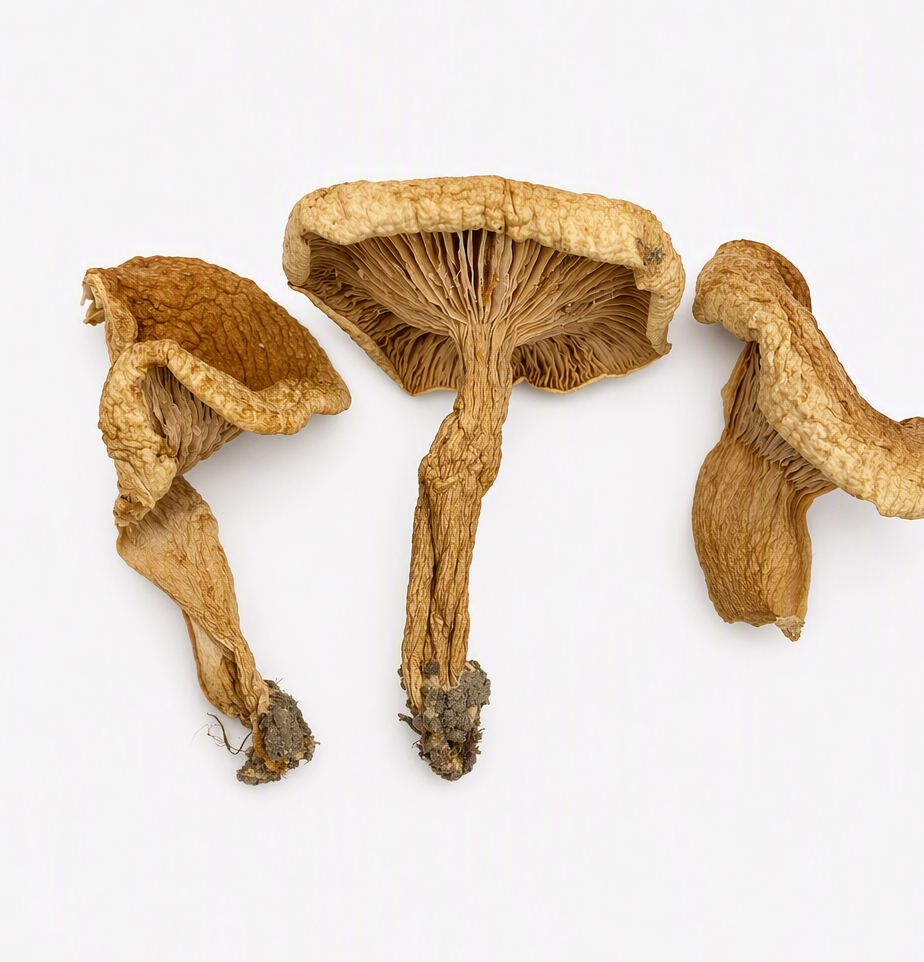
The James Hutton Institute is set to play a key role in a major international digitisation initiative that will document Scotland’s biodiversity and make hundreds of thousands of natural science specimens digitally accessible to researchers, policymakers and the public.
A significant new phase of the DiSSCo UK (Distributed System of Scientific Collections UK) programme will begin this summer, creating approximately 700,000 digital records from Scotland’s natural science collections. The project will include plant, lichen and moss specimens held by The James Hutton Institute.
DiSSCo UK is a £155 million, 10-year national programme designed to digitise and connect the UK’s natural science collections. The programme is funded through the UK Research andInnovation (UKRI) Infrastructure Fund and delivered by the Arts and Humanities ResearchCouncil (AHRC) in partnership with the Natural History Museum and more than 100 organisations across the UK.
“By digitising the Hutton’s plant, insect, fungi, lichen and moss specimens we’re turning analogue collections into open, interoperable datasets that can drive new science.”
Professor Rupert Hough, The James Hutton Institute
In Scotland, National Museums Scotland and the Royal Botanic Garden Edinburgh will jointly lead the development of a national digitisation network, supported by more than £1.8 million inAHRC funding.
The project aims to unlock valuable scientific information held within collections that have been assembled over generations, improving understanding of biodiversity, environmental change and the impacts of climate change.
“DiSSCo UK is exactly the kind of digital infrastructure that shows how powerful well-curated data can be,” said Professor Rupert Hough, Director of the Digital Transformation Office at the Hutton.
“By digitising the Hutton’s plant, insect, fungi, lichen and moss specimens we’re turning analogue collections into open, interoperable datasets that can drive new science, inform better decisions and connect our work to global efforts on biodiversity and sustainable land use.”
The initial two-year phase of the Scottish project will see more than 250,000 insect specimens from National Museums Scotland and 388,000 herbarium specimens from the Royal Botanic Garden Edinburgh digitised and made available online. The Hutton is one of four additional partners already involved, with further collecting institutions expected to join as the programme develops.
Professor Christopher Smith, Executive Chair of AHRC, said, “For hundreds of years the UK has gathered and grown one of the world’s most comprehensive and diverse collections of scientific material in museums across the UK.
“It has been a long-held ambition to bring this collection together – and now this dream can come true. Over ten years, DiSSCo UK will deliver progress that would otherwise have taken over a century.”
Future phases of the programme are expected to digitise additional collections held by participating organisations while also expanding to include more of Scotland’s natural science collecting institutions.