Hutton review details impact of microplastics on soils, crops and livestock health
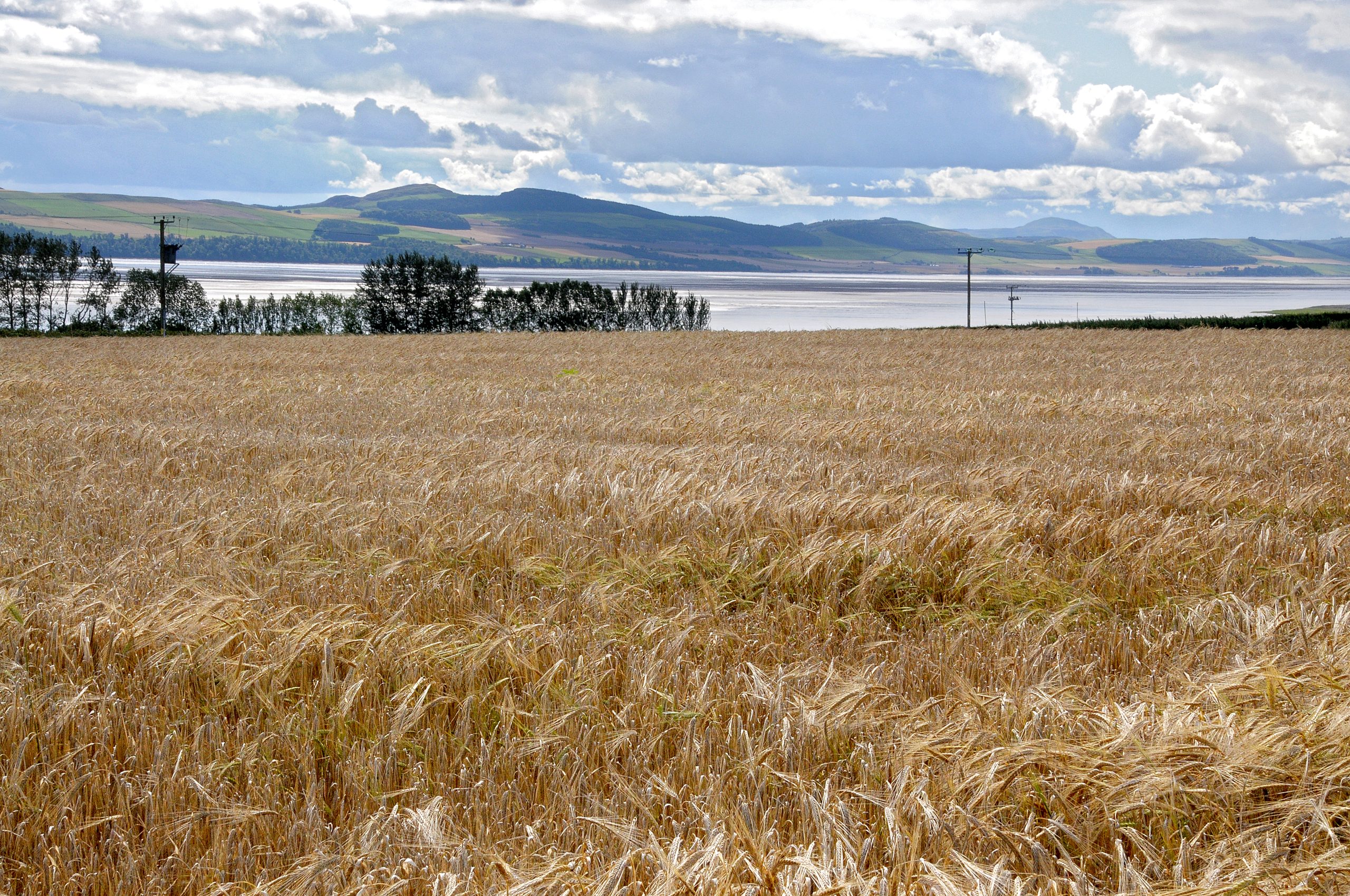
A recent review authored by researchers at The James Hutton Institute has highlighted the varied impacts microplastics can have on soils, crops and livestock health.
Microplastics – pieces of plastic smaller than 5mm – find their way into agriculture through a variety of routes. Some break off from plastics used for mulch, wrapping, potting and shelter, while others are introduced to the land inadvertently through sewage sludge, irrigation and compost.
The review, published in CABI Reviews, sought to understand the impacts these microplastics have in agricultural environments. To achieve this, the authors conducted a literature review of academic work published on microplastics worldwide between 2021 and 2025 and catalogued the findings.
The review showed that microplastics can influence crop production, affecting plant physiology, quality and yield. Noted effects included reduced leaf size, abrasion damage to roots and changes in shoot and root lengths. Microplastics were also found to disrupt nutrient cycling and availability, increasing greenhouse gas emissions from soils and reducing the amount of nutrients available to the crops.
In addition, the review outlines negative impacts on livestock health, including weight changes, hormonal imbalances and inhibited muscle fibre growth – though the authors note that evidence in this area remains limited and further research is needed.
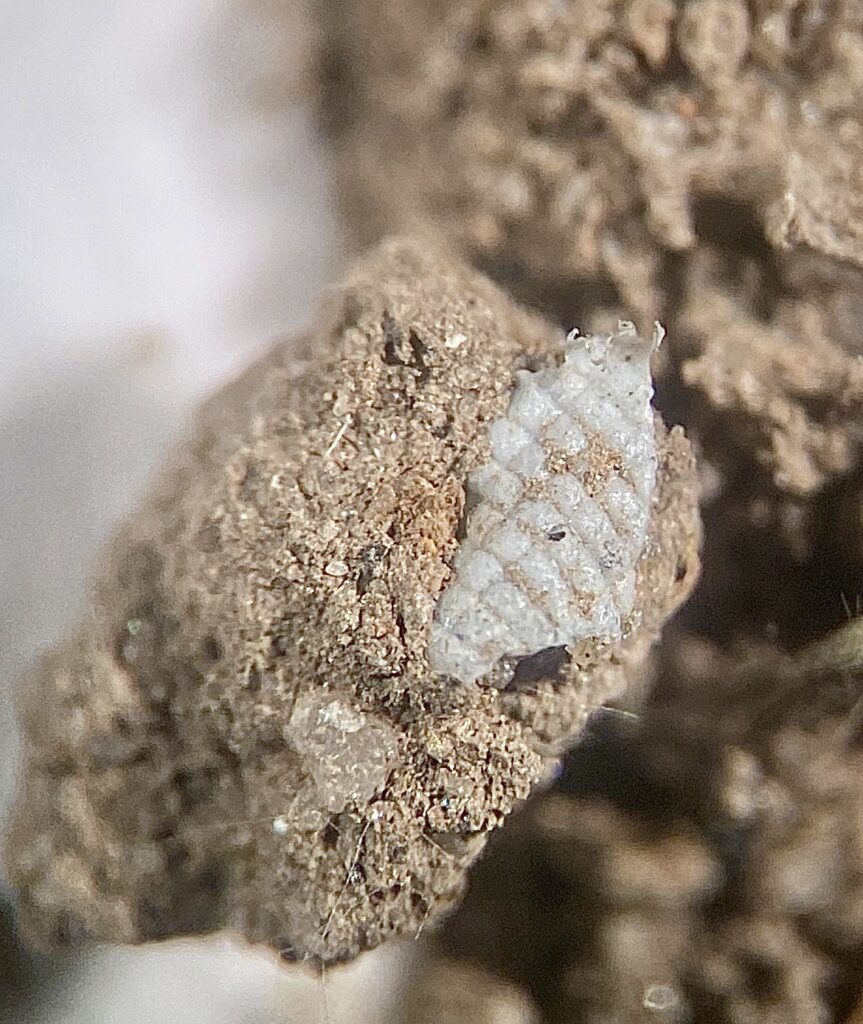
The review also found that some plastics marketed as biodegradable can have greater impacts under certain conditions, such as soil type and the specific shape or concentration of the microplastics.
Despite the wide range of negative impacts reported, the review also identified that microplastics can reduce the mobility of pollutants by binding to them, reducing their impact on soils and plants. It also found that there were no effects on soil structure at environmentally relevant concentrations.
The effects detailed in the review are dependent on a number of environmental conditions, along with the concentrations, composition, size and shape of the microplastics.
Nevertheless, the authors highlight the need to limit the sources of microplastics in agriculture and encourage policymakers to consider the range of impacts when producing frameworks and guidance.

The review’s lead author, Dr Eulyn Pagaling, said, “It is important to note that this is a complex picture, and the effects observed were very much dependent on environmental conditions, and the size, composition and concentration of the microplastics.
“However, it tended to be where microplastic concentrations were high that negative effects were observed. This suggests that if microplastic pollution continues to increase and reach the concentrations used in these studies, then we will see these negative effects become more widespread, beyond the farm environment.”
