From the Andes to Scotland: Exploring potato diversity for a climate-resilient future
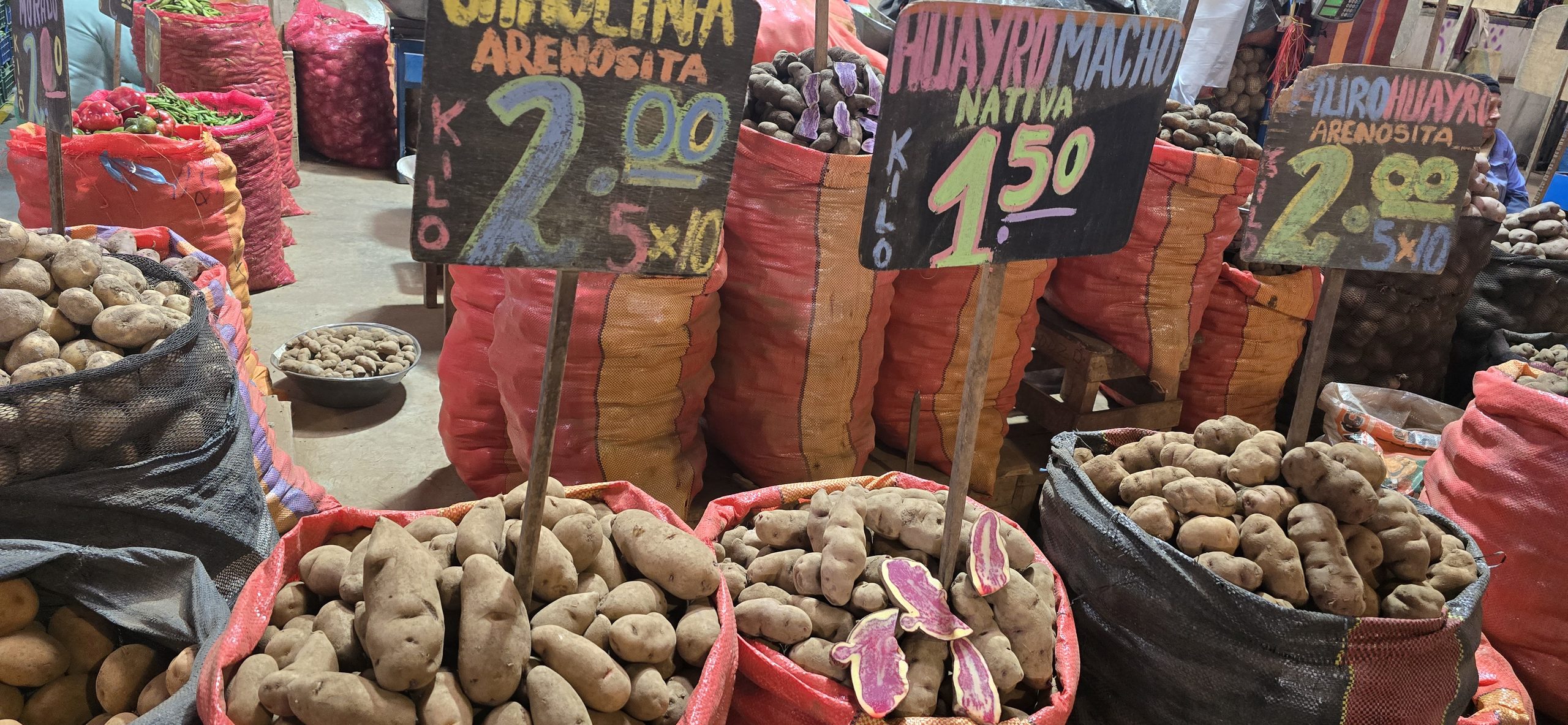
Potatoes are one of the world’s most important food crops, but climate change is making it increasingly difficult to grow them. Rising temperatures, drought and emerging pests and diseases are creating new challenges for potato production. Finding ways to develop more resilient varieties is therefore becoming increasingly important.
But what if some of the solutions already exist in the remarkable potato diversity that farmers in the Andes have been conserving for generations? This was one of the questions at the heart of my recent visit to the International Potato Center (CIP), Peru.
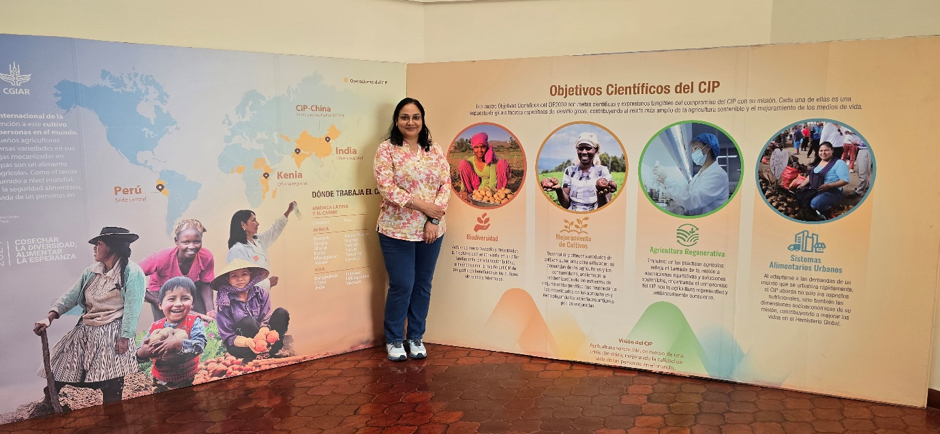
Through my joint appointment as Potato Scientist with the Hutton and CIP in September 2024, I am leading a research programme that aims to explore potato genetic diversity and identify traits that could help us breed more climate-resilient potatoes. My visit was an opportunity to strengthen collaborations with colleagues at CIP, meet the Andean communities and organisations safeguarding native potato diversity and explore how we can bring together genetic resources, traditional knowledge and modern breeding technologies.
More than a collection of potatoes
One of the highlights of my visit was the opportunity to visit the CIP genebank and learn more about its extraordinary collection of approximately 4,000 native potato landraces.
For me, the exciting question is how we can translate this diversity into something useful for future potato breeding. Somewhere within these collections, there is valuable genetic variation that could help us develop potatoes better adapted to heat, drought and other environmental stresses.
The visit also gave me an opportunity to highlight the Commonwealth Potato Collection (CPC), held at the Hutton and explore how genetic resources held at UK could complement those at CIP.
Meeting the people behind potato diversity
Another important part of my visit was meeting organisations working directly with Andean farming communities, including the Association of Guardians of the Native Potato of Peru (AGUAPAN) and YANAPAI. These organisations work with farmers who have cultivated and conserved native potatoes over many generations. Their knowledge of potato varieties, local growing conditions and traditional farming practices is incredibly valuable.
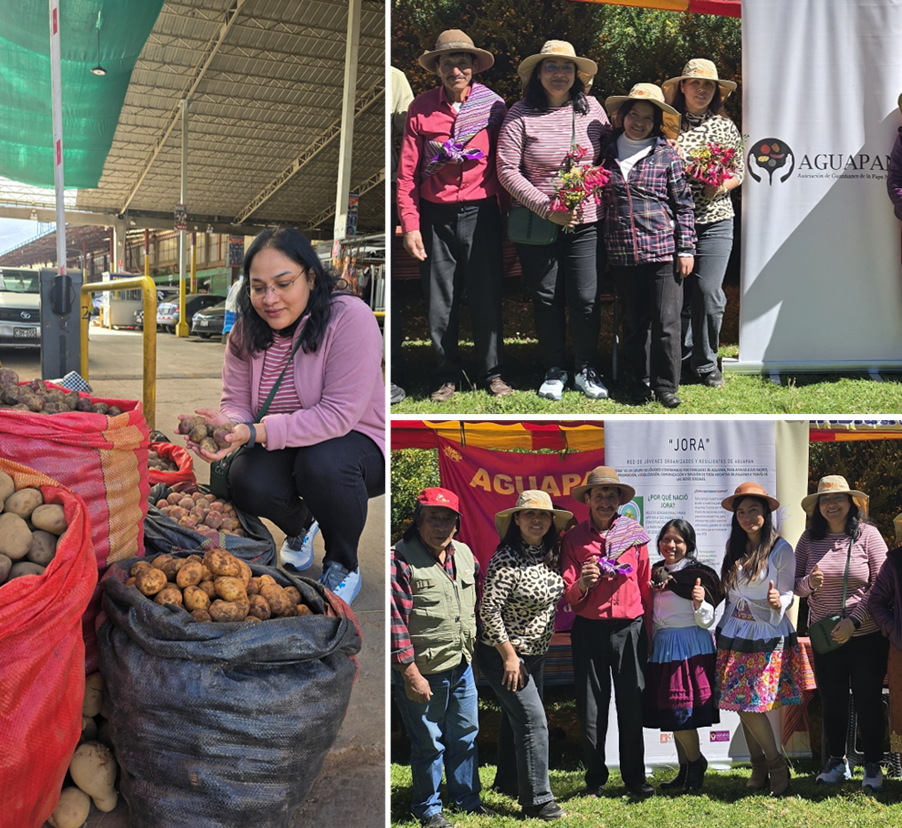
I also had the opportunity to engage with JORA, a youth network largely made up of the daughters and sons of indigenous farming families. An important part of our discussions was how to create opportunities for young people, particularly women, to become involved in conservation, research and new agricultural technologies.
For me, this is an especially valuable aspect of the collaboration. Conserving potato diversity is not just about protecting genetic resources; it is also about ensuring that the knowledge, skills and enthusiasm needed to conserve them continue into the next generation. These discussions have already helped us develop collaborative applications to the UK government’s grant scheme, the Darwin Initiative, bringing together research, biodiversity conservation and community engagement.
What I brought back from Peru
My visit reinforced just how much we can achieve by bringing together different types of expertise and knowledge. I am delighted to be involved in this partnership that is supporting indigenous communities and helping to build the next generation of conservation scientists and community leaders while using local knowledge and innovative science to secure the future of one of the world’s most important food crops.
Blog by Amanpreet Kaur, joint Hutton and CIP potato research scientist
Disclaimer: The views expressed in this blog post are the views of the author, and not an official position of the Hutton or funder.
