Hutton scientists win Reynolds Cup for record fourth time
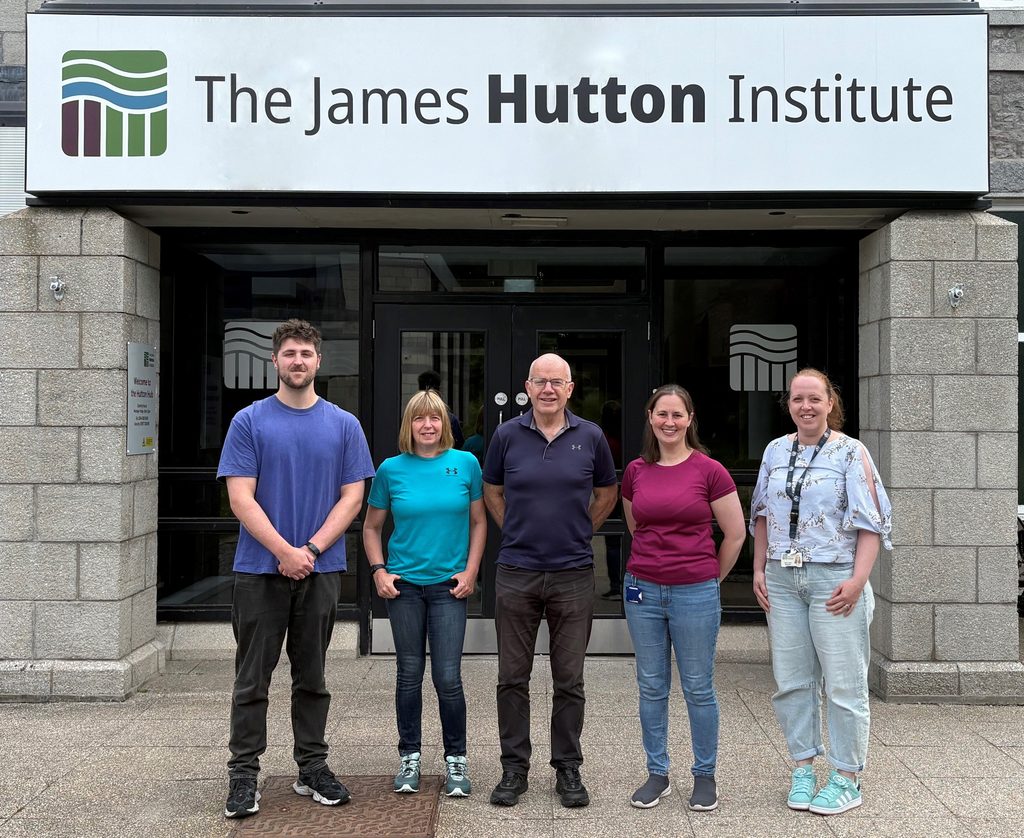
Scientists at The James Hutton Institute have set a new record by winning the 13th Reynolds Cup, an international contest that tests how accurately laboratories can measure what a mineral sample is made from.
The win is a record-breaking fourth for the Hutton team, following victories in 2008, 2018 and 2022. No laboratory anywhere has won it more often.
In the Reynolds Cup, every entrant receives three small samples of mineral mixtures, a few grams each, with no clue as to what is in them. They then test the samples, and report exactly which minerals are present and in what proportions. Results are ranked by accuracy, and the truth is only revealed at the end. Around 100 laboratories from across the world take part, and the organisers publish only the winner and the top three. Everyone else stays anonymous.
Professor Steve Hillier said, “Winning once could be luck. Finishing in the top three every time we’ve entered, for more than twenty years, is down to the people in this lab and the care they put into every sample. I’m very proud of the team, and of this result in particular.”
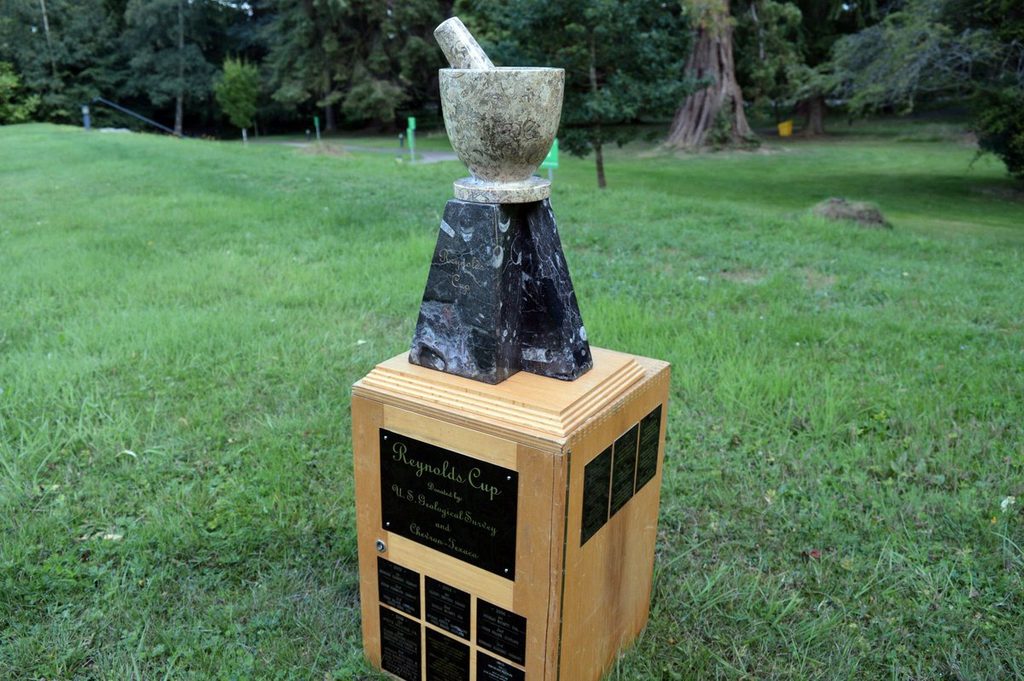
The work matters well beyond the competition. The same methods are used commercially through Hutton Scientific Services to analyse soils for major infrastructure projects, check industrial clays and minerals for quality, confirm the identity of chemicals and pigments for regulatory files, and measure crystalline silica in construction materials.
Helen Pendlowski added, “The samples we analyse for customers get exactly the same treatment as the ones we sent back to the Reynolds Cup. Whether it’s an engineer who needs to know what’s in the ground or a manufacturer checking a batch, they’re getting the same accuracy that won this contest.”
The contest was set up in 2000 by scientists from ChevronTexaco and the United States Geological Survey, who wanted an objective way to check whether different laboratories analysing the same rock would get the same answer. It is named after Bob Reynolds, a pioneer of quantitative clay mineralogy.
