Distilling connections: what the Worldwide Distilled Spirits conference 2026 revealed beyond the science
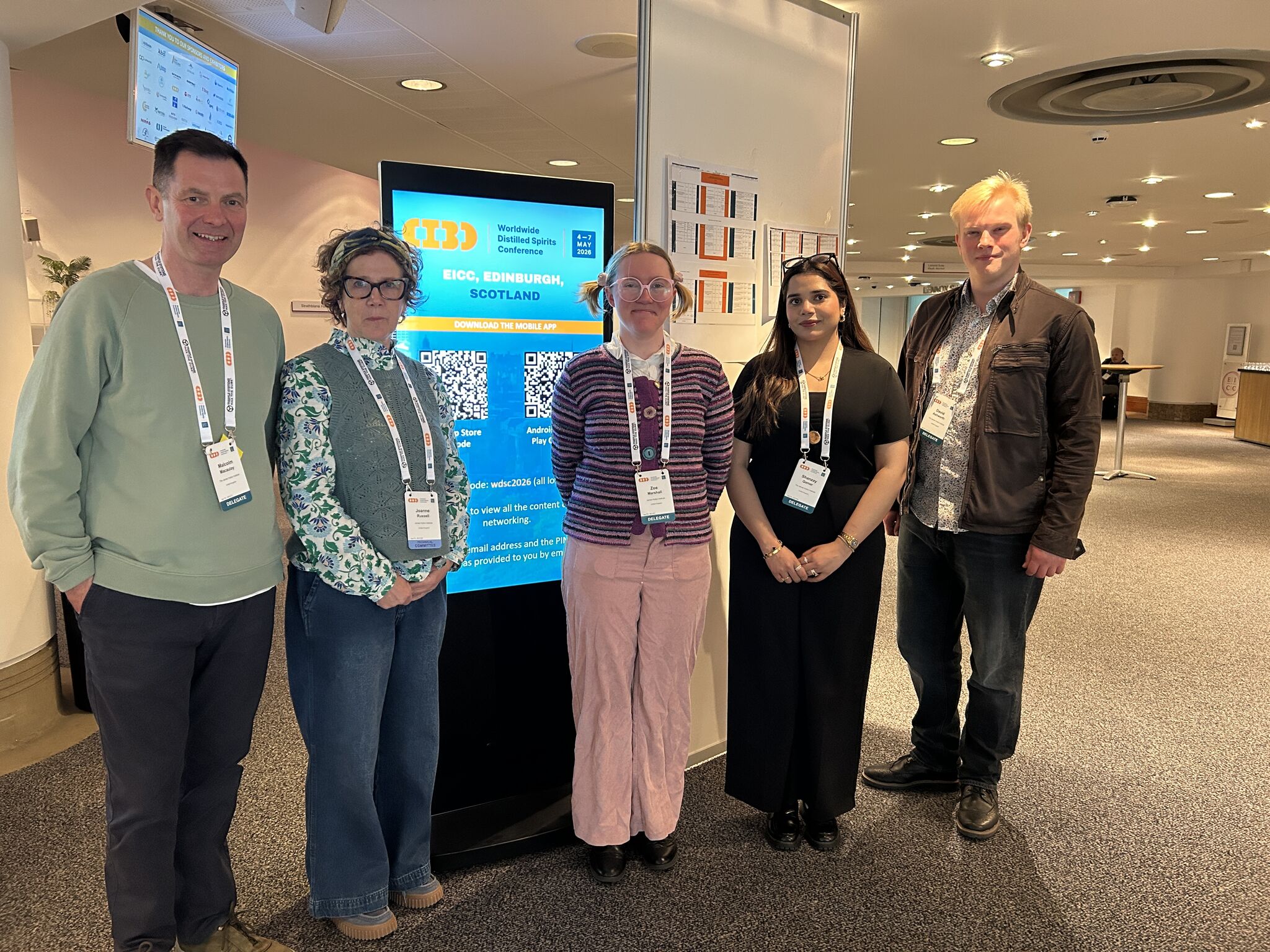
Attending the Worldwide Distilled Spirits Conference 2026 was far more than just a scientific conference experience. For me, it was a reminder of how deeply connected science, industry, culture and people really are. As a PhD student working in plant science at the Hutton, I arrived expecting discussions around flavour chemistry, barley quality and innovation in the distilled spirits sector. I left with something broader: a renewed appreciation for how collaborative and human this industry is.
The conference brought together about 700 researchers, distillers, industry leaders and students from across the world, with 202 abstracts submitted for posters and presentations. While whisky and distilled spirits were at the centre of the event, the conversations extended far beyond the whisky glass. Sustainability, crop resilience, future-proofing raw materials, consumer expectations and emerging technologies all became part of the discussion. It was fascinating to see how interconnected these challenges are.
For someone whose research focuses on barley and gene editing technologies, the experience felt especially relevant. Barley is not only a crop; in Scotland, it is part of an economic and cultural identity. Hearing industry professionals discuss the future needs of distilling made the link between lab research and real-world application feel much more immediate and necessary.
Beyond the presentations
One of the most valuable parts of the event was the atmosphere outside the auditoriums. Conferences are often remembered for keynote talks and technical sessions, but the networking between sessions can be equally impactful.
There was something refreshing about seeing people from completely different disciplines engage with each other so openly. Scientists spoke with distillers. Students connected with industry professionals. Researchers discussed practical challenges with people working directly in production and manufacturing. Those exchanges highlighted how innovation rarely happens in isolation.
As an early-career researcher, it was also encouraging to see how willing people were to share their experiences and advice. Academic research can sometimes feel highly specialised and disconnected from wider audiences. Events like this help bridge that gap. They remind researchers that their work exists within a much bigger ecosystem.
The conference also reinforced how important communication is in science. Some of the most amazing talks were not necessarily the most technically complex. They were the presentations that told a clear story, connected with the audience and explained why the research mattered beyond the lab.
Scotland’s role in distilled spirits innovation
Hosting a global distilled spirits conference in Scotland felt particularly fitting. Scotland’s whisky industry is internationally recognised, but conferences like this demonstrate that our country is also a hub for research and innovation linked to the sector.
From crop science and sustainability to fermentation and flavour analysis, scientific research continues to shape the future of distilled spirits. That was evident throughout the event. Discussions repeatedly returned to themes such as climate resilience, sustainable production and maintaining quality in a changing world.
These are not abstract challenges. Climate variability affects agricultural systems directly, including barley production. Changes in crop performance can ultimately influence industries that depend on consistent raw material quality. It was interesting to see how aware the sector is of these long-term challenges and how actively it is engaging with research communities to address them.
For me, that connection between agriculture and industry was one of the strongest take-home messages from the conference. Research institutions and industrial partners are not operating separately. They are working together to tackle shared problems.
A visit to the Hutton
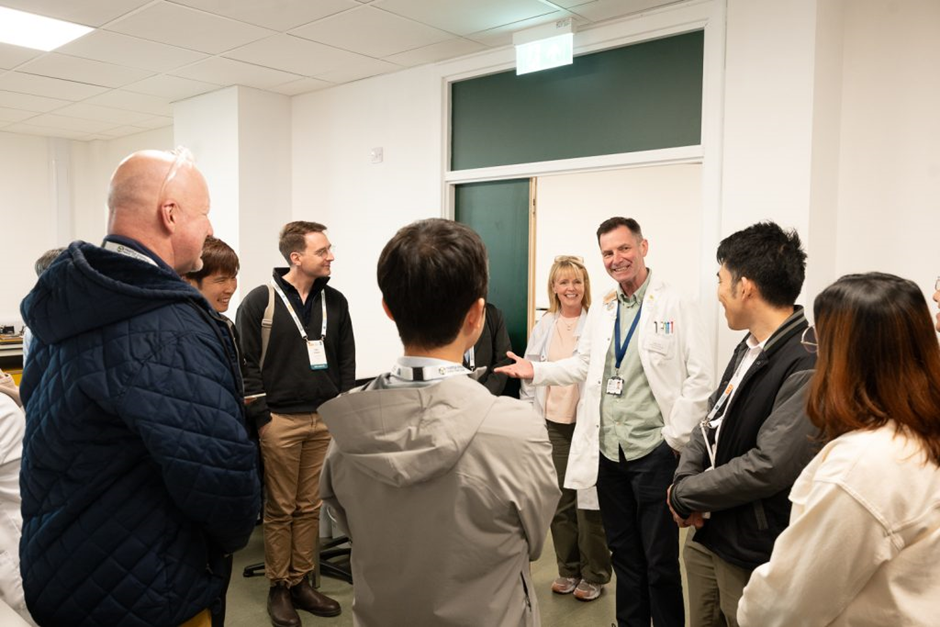
It was very appropriate that the conference included a visit to The James Hutton Institute in Invergowrie. Delegates enjoyed a tour of the Advanced Plant Growth Centre, with talks on barley research, sequencing and gene editing.
Laurence Ducreux and her team led the tour of the biotechnology facilities, giving an overview of the barley transformation and gene-editing pipeline and showcasing the technologies and expertise that underpin the development of improved barley varieties.
Our visitors followed the complete journey from tissue culture and callus induction through to plant regeneration and glasshouse cultivation. They saw gene-edited barley plants at different stages of development, giving them insight into the processes used to generate and evaluate edited lines and to learn about the transformation and regeneration of elite barley cultivars such as Laureate.
I was delighted to have the chance to highlight my work and demonstrate how advanced gene-editing approaches are being applied to expand the toolbox available for barley improvement and accelerate the development of varieties with enhanced agronomic and industrial traits.
A personal highlight
A particularly meaningful part of the experience was presenting my own research at the conference and engaging with people outside my immediate scientific field. Explaining complex research to broader audiences can sometimes feel daunting, but it is also one of the most rewarding parts of attending events like this.
The questions people asked often approached my work from completely different perspectives than those I get in academia. Those questions compel me to think differently about the wider implications of my research and how it could contribute to future innovation within agriculture and industry.
Conferences can also be important confidence-building experiences for early-career scientists. Walking into rooms filled with experts from around the world can initially feel intimidating. Yet events like the Worldwide Distilled Spirits Conference also show that curiosity and enthusiasm create common ground very quickly.
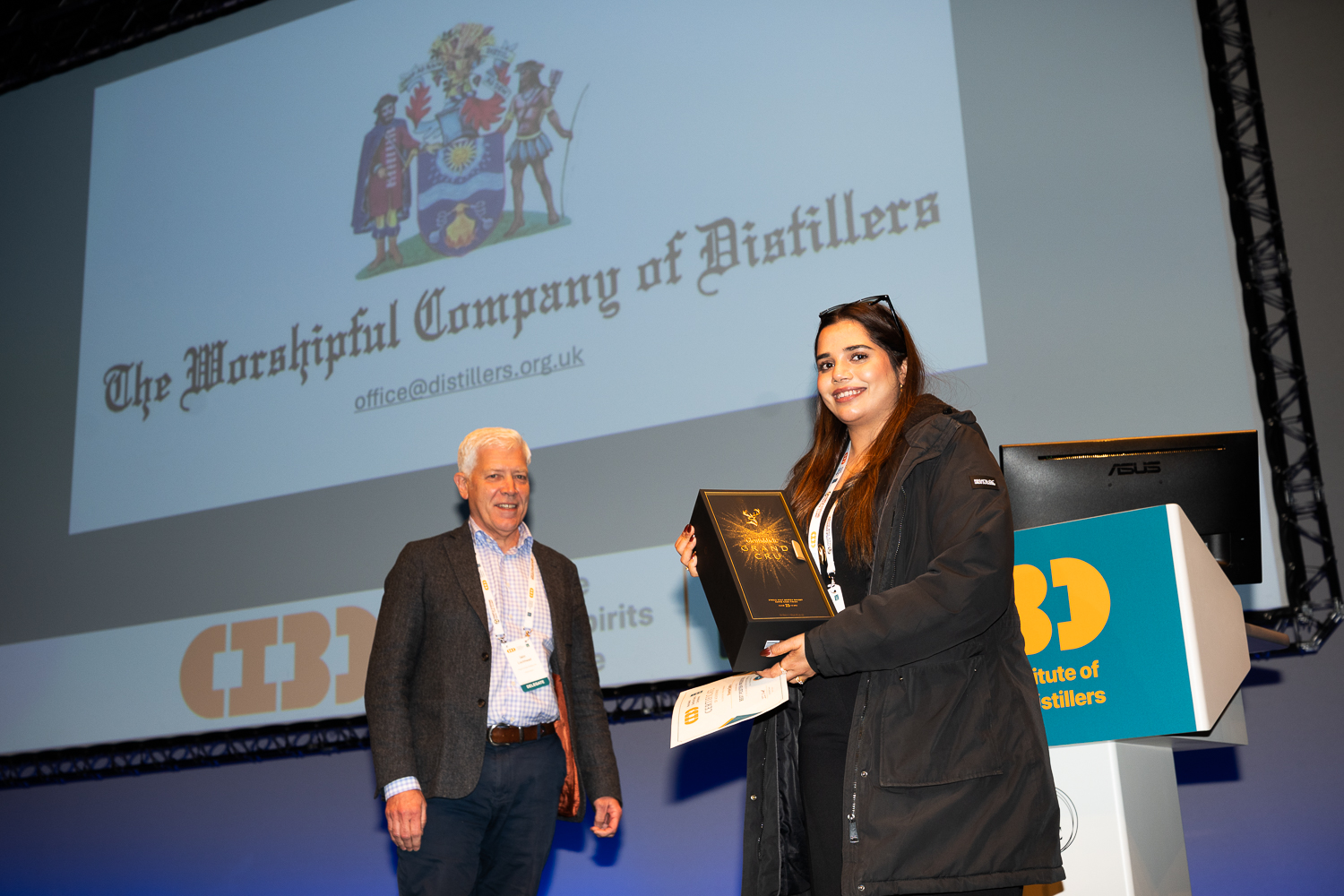
Receiving the Best Poster Presentation Award came as a surprise to me as there were over 50 amazing posters presented by very talented people. Beyond the recognition itself, it felt encouraging to see my research linked to crop innovation resonate with the audiences connected to the distilled spirits sector. It reinforced how valuable interdisciplinary conversations can be.
Why these events matter
In a world where much scientific discussion now happens online, there is still something uniquely valuable about in-person conferences. They create space for spontaneous discussions, unexpected collaborations and shared enthusiasm that is difficult to replicate virtually.
The Worldwide Distilled Spirits Conference 2026 was not only about distilled spirits. It was about the future of agriculture, sustainability, innovation and international collaboration. It showed how industries rooted in tradition are also evolving rapidly through science and technology.
Most importantly, it highlighted the people behind the work. The researchers trying to solve agricultural challenges. The distillers balancing heritage with innovation. The students entering the field with fresh ideas. And the industry professionals working to adapt to changing environmental and consumer demands.
I left the conference feeling inspired, not only by the science presented, but by the sense of shared purpose across disciplines. Events like this remind us that research has its greatest impact when it connects with people beyond our immediate fields.
For early-career researchers especially, conferences are not simply about presenting data. They are about learning how your work fits into a wider conversation. The Worldwide Distilled Spirits Conference 2026 was a perfect example of that.
Shanzay Qumar’s PhD, “Expanding the range of barley gene editing tools”, is part of the Barley Industrial Training Network (BARIToNE) programme
Blog by Shanzay Qumar, PhD student at The James Hutton Institute
Disclaimer: The views expressed in this blog post are the views of the author, and not an official position of the Hutton or funder.