Sunshine record broken at Invergowrie
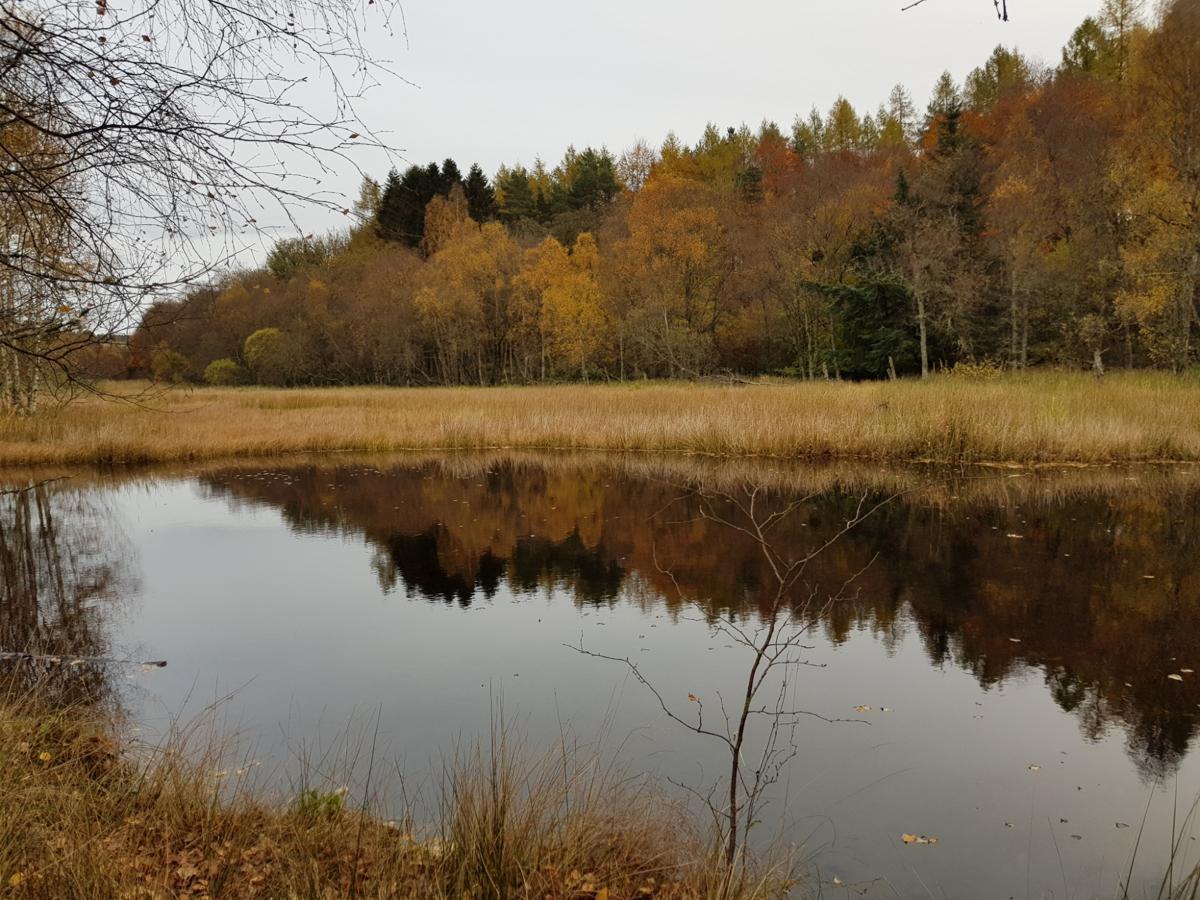
October 2026 has gone down in the record books at our Invergowrie site, becoming the sunniest October recorded since records began in 1954.
Over the course of the month, the sun shone for an impressive 136.8 hours, smashing the long-term October average of 97.3 hours with around 40% more sunshine than usual.
The previous record for October sunshine was set in 1985, when 134 hours were recorded. Another notably sunny October occurred in 1997 with 131 hours but before that you’d have to go all the way back to 1957 to find an October that topped 130 hours of sunshine.
Despite all the blue skies, temperatures were only slightly above average. The mean temperature for the month was 10.0°C, which is 0.5°C warmer than the long-term average. The warmest day was 5th October, when temperatures reached 18.3°C, while the coldest was 19thOctober, dipping to -0.5°C.
Rainfall was a little lower than normal, with 74.8mm recorded during the month, or 88.3% ofthe long-term average. The wettest day was right at the start of the month, with 11.4mm of rain falling on 1st October.
With record-breaking sunshine and relatively mild conditions, October certainly gave us more than a few reasons to enjoy being outdoors before winter starts to bite, but what about the impact on crops?
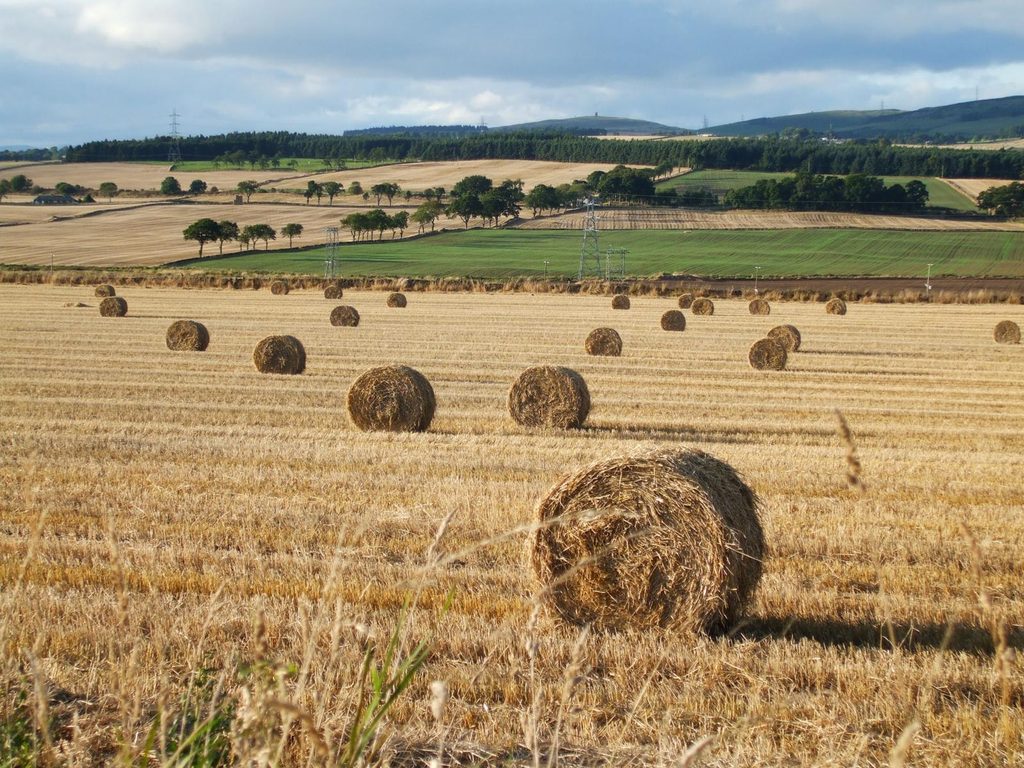
Professor Tim George, Director of the International Barley Hub, explained, “Warm sunny autumns (with adequate water availability) will lead to stronger establishment of winter crops which will potentially enhance their ability to grow well in the spring and improve yield.
“With respect to cover crops, this improved establishment will reduce soil erosion over winter and will enhance their ability to improve soil health. Establishment in the Scottish climate is one of the biggest barriers to reaping the benefits of cover crops.”
There’s an impact on perennial soft fruit crops, such as blueberries and raspberries, too. Dr Susan McCallum, Soft Fruit Geneticist and Breeder at the Hutton, said, “The exceptionally sunny October has allowed perennial soft fruit crops to remain active later into the season, continuing to capture sunlight and build energy reserves for the following year.
“However, if mild autumn conditions delay the transition into winter dormancy, crops may become more vulnerable to damage if severe frosts arrive before plants have fully hardened off for winter.”
The long-term averages used for comparison are based on the 30-year period from 1991 to2020. It should be noted that the temperature average does not include maximum air temperature readings between September and December 2017, following the Met Office’s removal of mercury thermometers.
Blog by Joyce Reid, Media Officer
Disclaimer: The views expressed in this blog post are the views of the author, and not an official position of the Hutton or funder.