The Hutton postgraduate symposium 2026: two days sharing great science and community
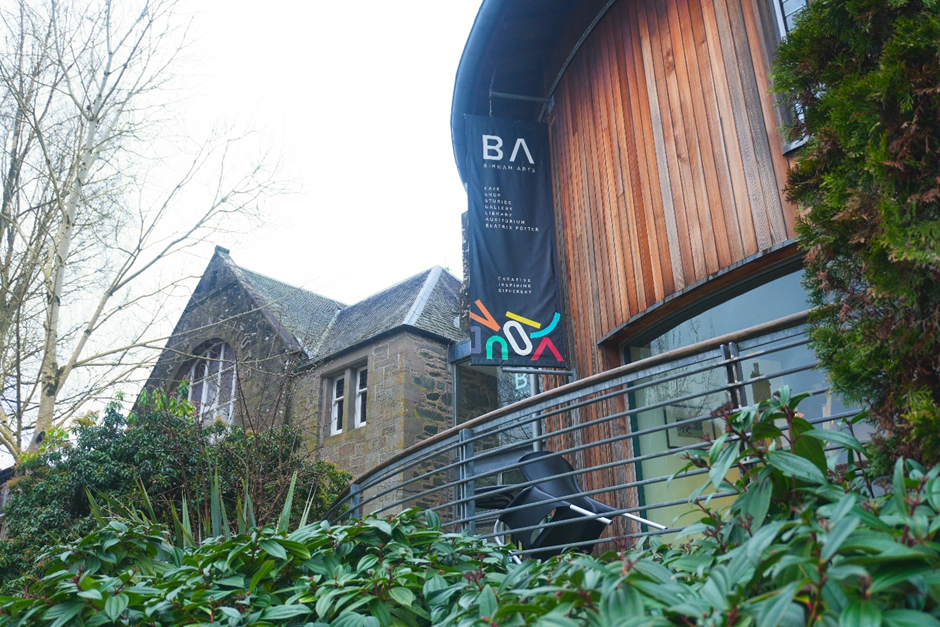
As PhD students at Hutton, our favourite time of year is the annual Hutton Postgraduate Symposium hosted at Birnam Arts Centre. This is an event to showcase our own research, but also, more excitingly, to learn much more about what our colleagues in both Dundee and Aberdeen are up to. It’s a chance to socialise, network and generally support each other as we continue our postgraduate journeys, all in the beautiful setting of Birnam and Dunkeld.
Ten-minute presentations
A large portion of both days was dedicated to 10-minute oral presentations from the second-year PhD cohort, each offering an update on their research journey so far and the next steps for their project.
The range of topics was diverse. We hopped effortlessly from surveying Scottish moth species to the intricacies of plant proteins and genetics.
The quality of the presentations this year was exceptionally high, with engaging speakers and polished attractive slides across the board and even some creative audience participation. We’re sure this consistency made the judging for the presentation prizes especially difficult, and we did not envy the judges their decision.
Posters
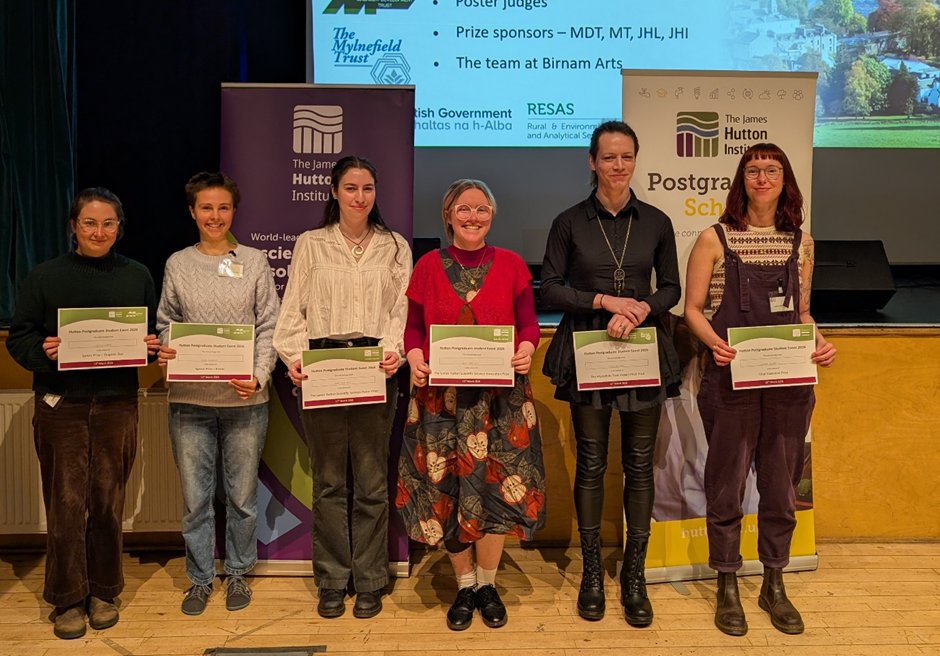
The poster session followed the talks on the first afternoon, where first-year students presented their project topics and progress to date. Much like the oral presentations, the posters were of a very high quality, beautifully laid out, informative, and a real credit to both the students and the science at the Hutton.
The students explained their work with passion, and we didn’t once struggle to stay engaged, which is not always the case at conferences.
Later year students judged the posters and were able to provide constructive support and advice.
Silly Science
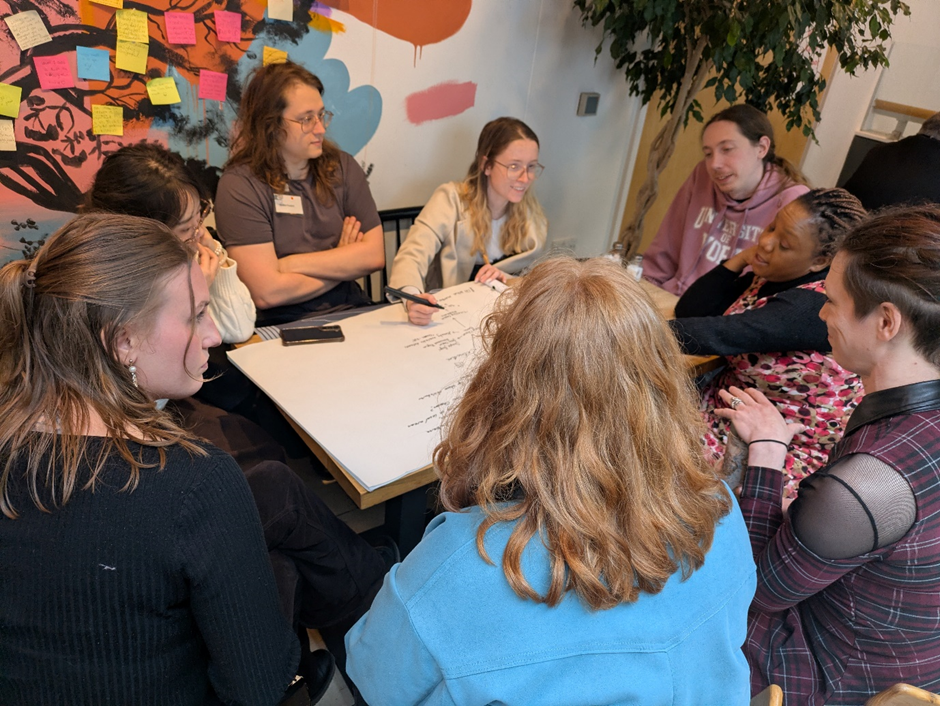
This year saw a new event called silly science, a networking icebreaker with a simple premise – pitch for a science topic that is fun and outlandish enough that it would never be funded in real life.
Armed with paper boards, we set to work, discussing ideas and drawing up plans.
The final pitches were presented to the wider group and judged in various categories by our peers. Ideas included combating climate change by getting everyone to jump away from the sun at the same time and building a bridge across the Atlantic to reach the United States, but the winning concept was the re-introduction of various endangered cheese varieties through a cheese breeding programme.
It was a wonderful session that helped students talk to others they would not otherwise meet and eased any nerves there might have been over presenting in front of an unfamiliar audience.
The ceilidh
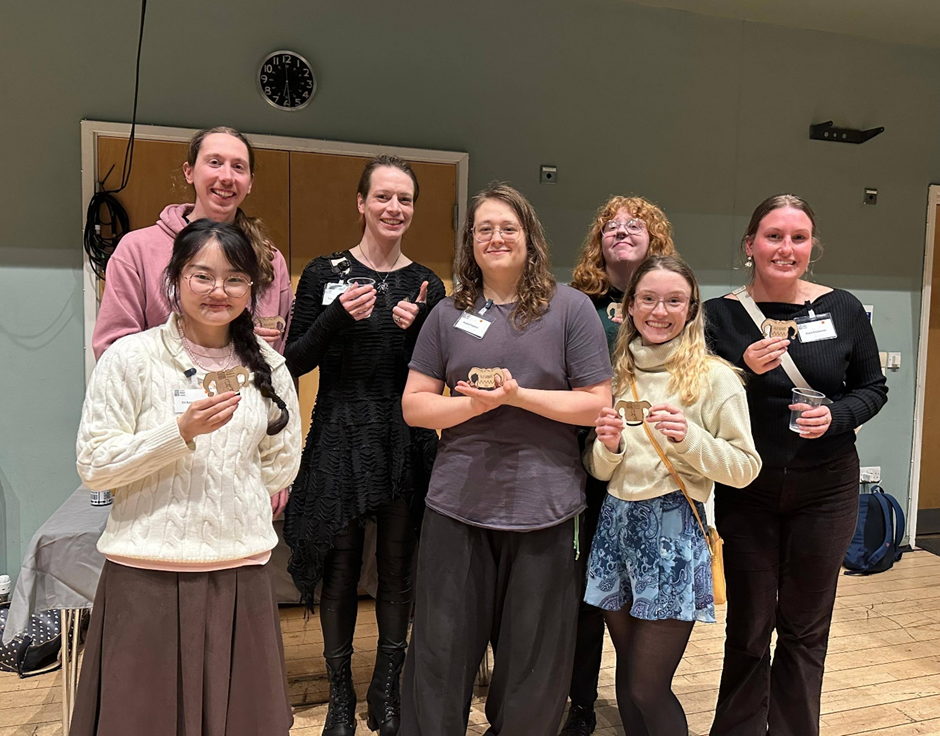
A personal highlight of this year’s event was the ceilidh. Nothing brings people together like dancing, and this was no exception. There is a certain atmosphere around halfway through the ceilidh, when enough people have used their free drink coupons and the karaoke has begun, that captures the essence of this whole event. People cheering and having fun with other students they would never usually talk to or engage with, who might even work in a different city, on a different discipline of science, learning something about one another in a beautiful venue surrounded by new friends. The symposium, and the ceilidh in particular, brings the student cohort closer and helps the Hutton feel like one united, supportive community.
The Dragons’ Den
By the second day, our once abundant biscuit supply was noticeably diminished as we gathered in the hall for the Academic Dragons’ Den. Third- and fourth-year PhD students each had five minutes to convince a panel of “dragons” to fund their research.
This was fun to watch, and we learned some interesting facts.
For example, that a relative of the potato blight pathogen largely responsible for the Irish potato famine could be used to improve paper production and that leftover waste products from whisky production can be used a fertiliser for crops.
One contestant wanted to survey what farmers feel about net zero strategies.
Congratulations to the overall winner, Tony Wagstaff, who wanted to make ibuprofen more effective and less environmentally damaging.
Career advice
In the final session, Dr Susan Breen spoke about her career in science, researching Phytophthora infestans, also known as potato blight. Susan, herself a former Hutton PhD student, described her love of mountains, hiking and skiing. After completing her PhD, she went to Australia, where she still skied at the weekends. We didn’t know that there was snow in Australia!
Now she is back in Scotland and the Hutton, continuing to research potato blight. She advised us to start looking into fellowships and networking opportunities as soon as possible.
As a first-year student still trying to plan the next few months work, this was quite frightening!
And, finally
Before finishing, we want to mention the spectacular nature of Dunkeld and Birnam, which includes the oldest tree in Scotland, many woodland birds and the three red squirrels that said hello during our short stay there.
Maybe next year, we’ll spot a hedgehog, an otter or one of the local beavers
Blog by Zoe Marshall, Benjamin Potts and Patricia ORiordan
Disclaimer: The views expressed in this blog post are the views of the author, and not an official position of the Hutton or funder.