eDNA Metabarcoding
Comprehensive environmental DNA analysis to support biodiversity, biosecurity and ecosystem monitoring
We provide end-to-end eDNA metabarcoding services, from environmental DNA extraction through to high-quality sequence data for bacterial and fungal diversity analysis. Our flexible approach allows clients to commission the full workflow or select individual stages to support research, monitoring and regulatory projects.
The eDNA Metabarcoding we can provide:
eDNA extraction
Provide us with environmental sample (e.g. water, soil, sediment, etc.) and we can extract eDNA. We can provide information on quality, quantity and integrity. Long-term archiving of eDNA samples will come at an additional cost.
PCR and Library Prep
We can PCR amplify specific regions to characterise bacterial and fungal diversity. We can then make libraries ready for sequencing.
Sequencing
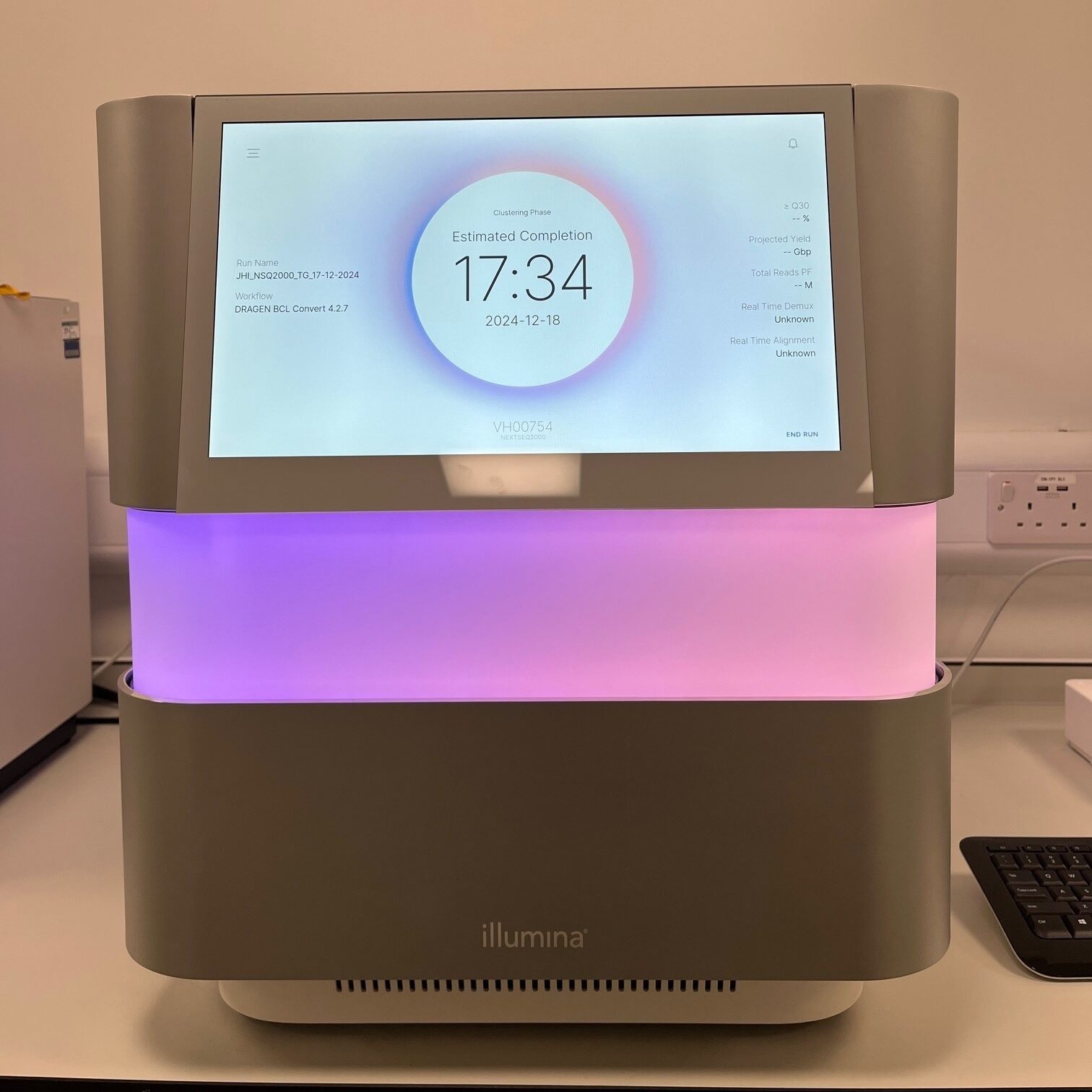
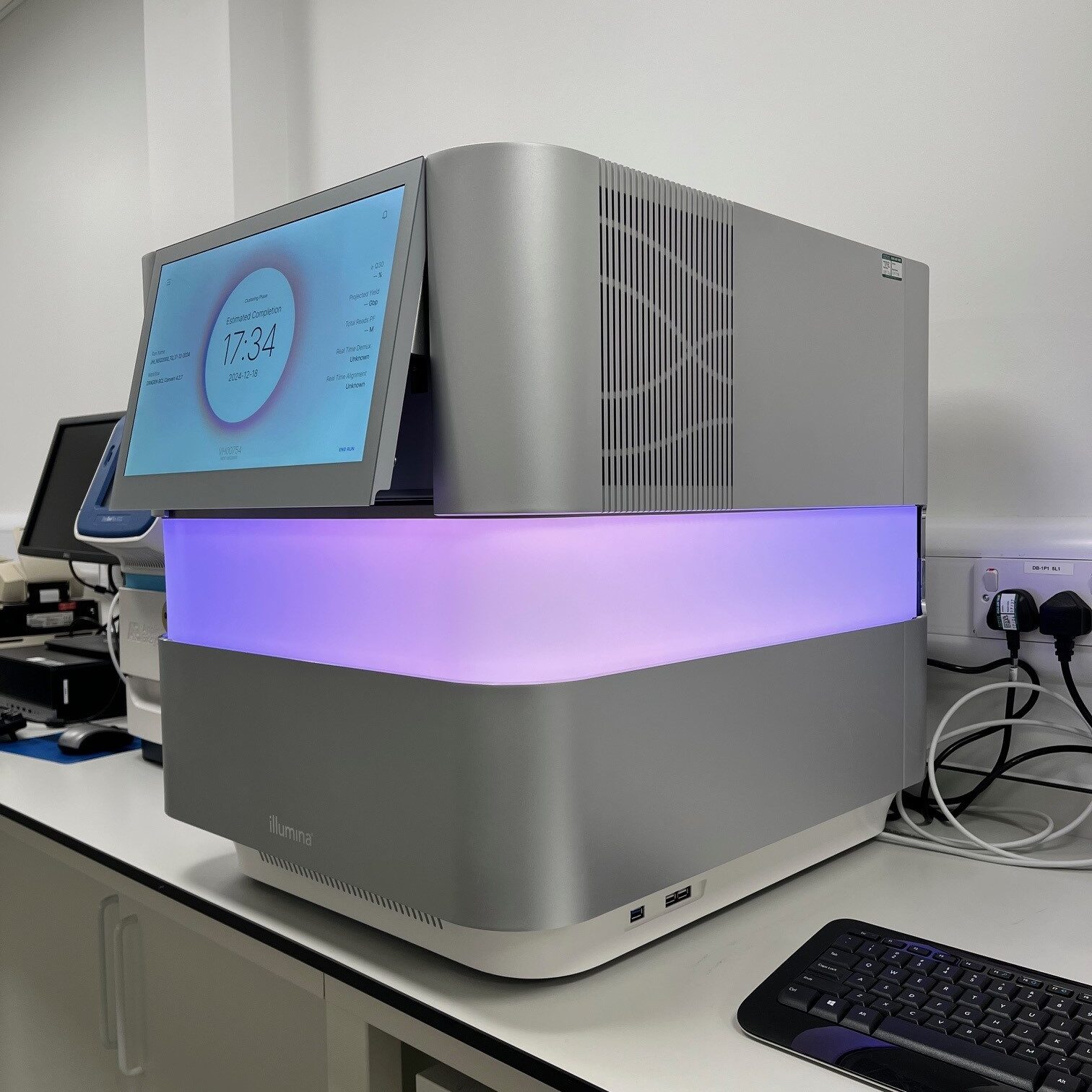
This will be undertaken at our Genomics Facility. We provide library QC and downstream processing up to the point of data generation. We sequence using NextSeq, providing 300 bp paired end.
Dr Eulyn Pagaling, Senior Environmental Microbiologist
eDNA metabarcoding is gaining popularity in biodiversity monitoring and assessment due to its ease of use, speed and cost-effectiveness.
Data Processing
We can carry out sequence processing including demultiplexing, trimming, merging, QC, denoising, chimera removal and clustering. We can provide OTU tables of identified taxa.
Open Data
We can archive scripts and results in a public repository to provide transparency in our processes.
If any of these services are of interest please contact us.

Environmental DNA (eDNA) metabarcoding is a method used to detect multiple species from genetic material found in environmental samples such as soil or water. James Hutton Institute Scientific Services uses this technique to identify biodiversity and monitor ecosystems without needing to directly observe organisms.
DNA fragments released by organisms into the environment are extracted from samples and analysed using advanced sequencing techniques. James Hutton Institute Scientific Services then compares these sequences with reference databases to identify the species present.
eDNA metabarcoding provides a sensitive and efficient way to monitor biodiversity, detect rare or invasive species and assess ecosystem health. James Hutton Institute Scientific Services uses this approach to support environmental monitoring and conservation research.
These services support environmental consultants, conservation organisations, researchers and government agencies that require accurate biodiversity monitoring and ecological data.