New study from Hutton and DePaul University reveals unseen benefits of furniture reuse in the circular economy
A new study by The James Hutton Institute crop and nature management, and DePaul University in Chicago has confirmed unseen benefits to furniture reuse, which go beyond helping the environment.
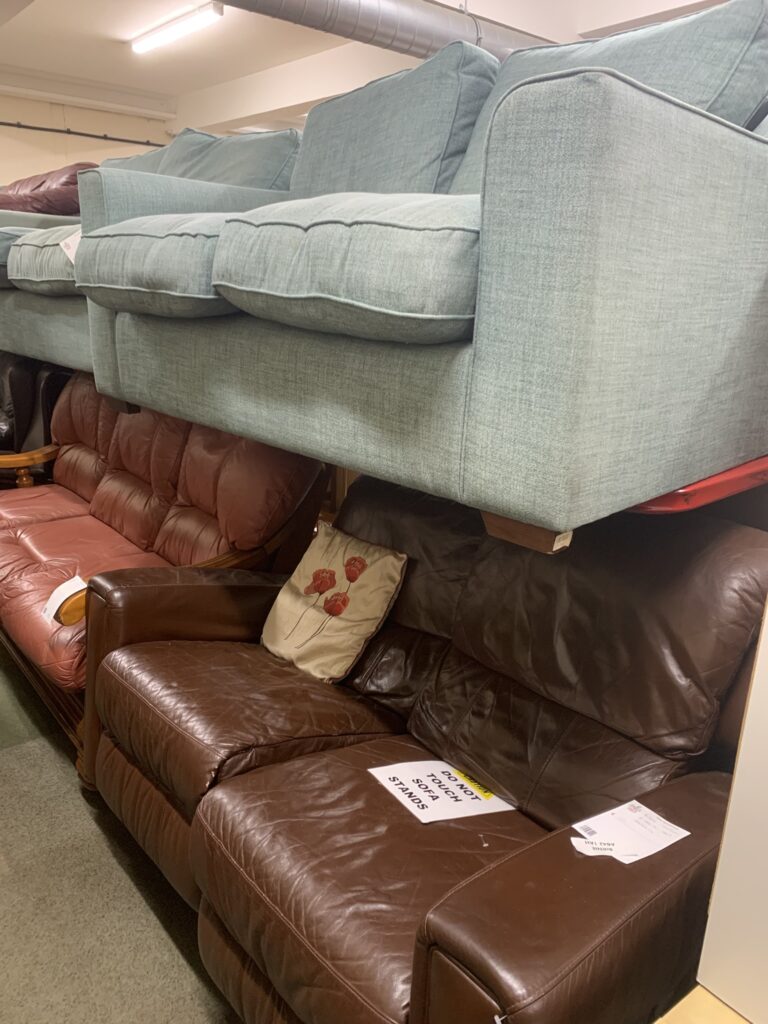
The study was based on research by Dr Alice Hague, a Hutton social scientist, and colleagues in Scotland, investigating how to increase the re-use of resources in people’s everyday lives, as part of a transition towards creating a more ‘circular’ economy. Dr Hague’s team found that, as well as diverting large amounts of bulky waste from landfill, second-hand furniture shops in Scotland create jobs and work experience opportunities, often engaging those who struggle with conventional employment. The organisations behind these furniture reuse shops additionally provide training in logistics, furniture removal, accountancy and business management, equipping employees with valuable career skills, while income from the sale of reused furniture also goes towards providing other support services.
One employee at a furniture reuse centre said, “We have an awful lot of people who perhaps would have struggled to get into the workforce, but only because of, maybe, anxiety or confidence. Very able people, our best members of staff now.”
Alongside the study led by Hutton, Alice discovered through a conversation with her brother Professor Euan Hague, based at DePaul University in Chicago, that he was also leading a study about furniture reuse, but from a different angle. Working with colleagues based in Chicago, Euan was looking to find out more about the impact of furniture donated for reuse to the Chicago Furniture bank. His study was pointing to how reusing furniture has impacts on health and wellbeing, providing stability and a sense of home for people transitioning into permanent housing.
In Chicago, Professor Hague’s team heard about a mother who had been able to provide her children with separate beds thanks to furniture donations.
She told researchers, “My kids are happy, they have beds, they each are happy they have their own bed. I’m not in the bed with them. They’re just happy.”
Together, the two studies reinforced the significant social benefits of reusing furniture that are often overlooked in discussions about the circular economy, with its focus on reusing resources and reducing the amount of waste going to landfill. In addition to diverting waste from landfill, interviewees pointed out the impact of reusing furniture include employment and training opportunities, and how families felt more of a sense of home after receiving used sofas, tables and beds.
The study’s findings show that the circular economy – a concept which aims to keep resources, products and materials in use and out of landfill sites for as long as possible – can offer more than just environmental benefits.
Dr Hague said, “I was expecting barriers to furniture reuse to be about policy and lack of funding – I wasn’t expecting to hear about families from Ukraine being helped with furniture in a moment of crisis. There’s way more going on here than kilograms or tons of waste being avoided.”
The study, titled ‘The Social Benefits of Furniture Reuse in the Circular Economy’, can be read in full on the Journal of Circular Economy website.