Why Nature‑based Solutions Need Realistic Expectations, Not Perfect Outcomes
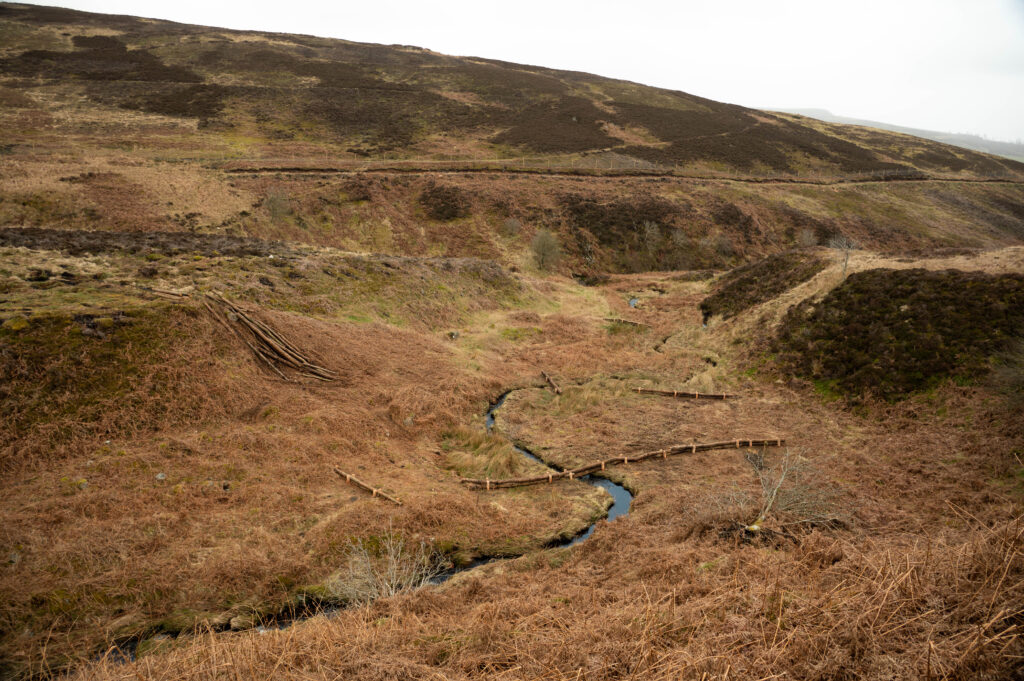
How can we best manage nature? Lots of different labels, initiatives and ideas promise answers and guidance. Many of these ideas are connected in the concept of ‘Nature-based Solutions’ or NbS – interventions which aim to manage nature sustainably to tackle societal challenges. In a new paper just published in Conservation Letters, Dr Rak Kim, from Utrecht University, and I argue that we can’t expect perfection from NbS – but this is not a fault of the concept. Instead we need to expect challenges, and not to give up.
NbS is an internationally tested and established concept, that builds on the insights of many experts in nature management, systems thinking, and social development and local engagement. As NbS combines many of our best ideas, it might seem reasonable to always get good outcomes from these interventions (after all, ‘solutions’ is in the label!).
However, NbS are always trying to intervene in complex systems: not only are natural processes complex, but so are the ways we use and relate to it. Complexity creates several limits to NbS. Firstly, natural and social systems are not something we can perfectly understand and predict. Secondly, different groups in society often disagree over how and for what goals nature should be managed. Lastly, not only do different groups have differing ability to voice and influence efforts, but nobody has ability to perfectly control all the factors that shape a particular site or setting. In our paper we show how these limits could interact and play out for three different types of NbS – urban greening, catchment management or rural tree planting.
We need to expect that there will always be challenges and imperfections. This isn’t an easy message to communicate when trying to allocate limited resources to tackle an urgent climate and nature crisis, because we all want to make the progress as soon as possible. However, if perfection is expected, imperfect reality risks frustration, discontent and even retreat from NbS. This has happened in the past, with other labels and concepts – but, whilst we always need to be checking and improving our ideas, it can be a distraction just to replace one label with another.
It is so important that we find ways to support those working on and for NbS to “stay with the trouble” (to borrow Donna Harraway’s phrase). In our paper we share some ideas about the implications for practitioners, policy and other enablers, as well as more research on this subject. As one example, funders of NbS could mandate reporting on challenges as well as successes.
If you find this work interesting and would like to work with us further on this, please feel free to get in touch by emailing kerry.waylen@hutton.ac.uk.
Blog by Kerry Waylen
Disclaimer: The views expressed in this blog post are the views of the author, and not an official position of the Hutton or funder.