Hutton researchers produce guide for assessing the value of nature
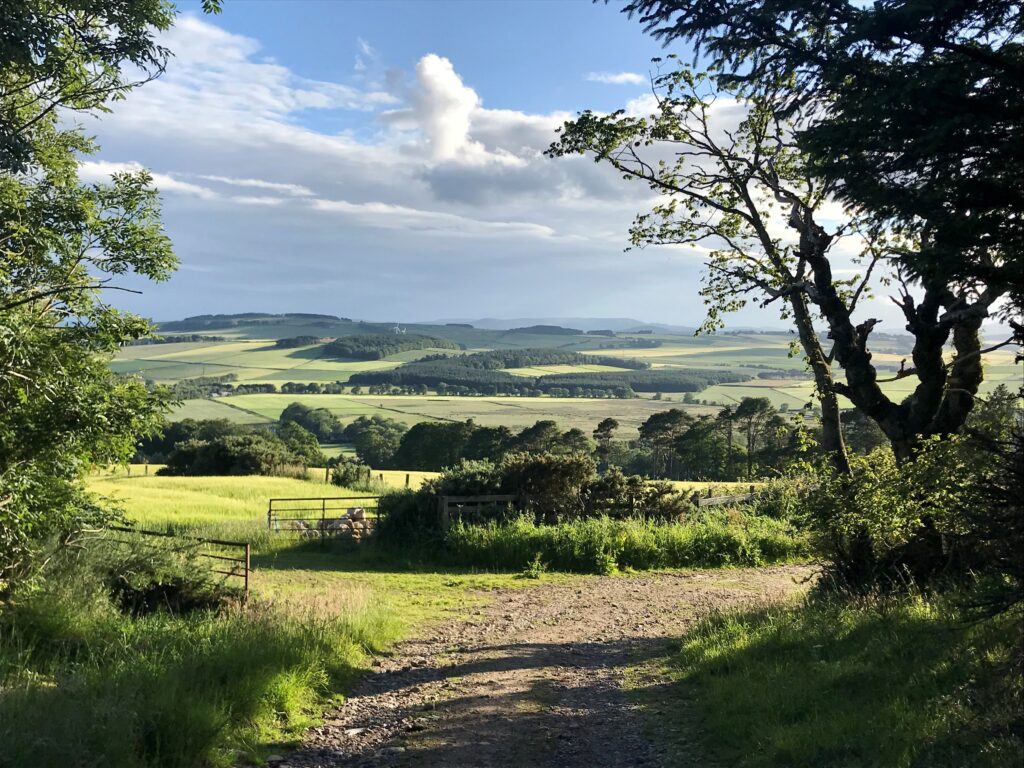
Researchers at The James Hutton Institute, Scotland’s pre‑eminent interdisciplinary research institute for sustainable land, crop and nature management, have produced a practice guide for assessing the types of value associated with nature.
The guide was created as part of a Rural and Environment Science and Analytical Services Division (RESAS) project called Bringing in participatory approaches to widen the scope of natural capital valuation. It is intended to help evaluate the economic, social and cultural benefits provided by nature within a landscape. The guide will help land managers, together with other interest groups, such as local communities and regional land use partnerships, to identify the types of value associated with natural resources on the land they manage.
The methods explained in the guide focus largely on bringing people together and building relationships to better understand the types of value people associate with nature.
They include:
- Focus group discussions – bringing groups together to explore a broad range of values associated with natural capital.
- Future scenarios – exploring how conditions for management and use of natural capital could change values in the future.
- Participatory mapping – plotting where different values for nature can be found in the landscape.
- Q method – using people’s responses to a set of statements to categorise different perspectives.
- Visual methods and interviews – inviting people to photograph and explain their personal connection with the landscape.
- Natural capital accounting – evaluating the economic contribution of natural capital.
- Dialogue workshops – collectively exploring land management options that provide multiple benefits for people and nature.
By using these methods, land managers will be able to bring together multiple perspectives and gain a greater understanding of the types of value associated with their land.
The toolkit has been received well in trials, and the Hutton researchers are keen to see how it performs in “live” land management decision-making.

It was produced by multiple members of the Hutton’s Social, Economic and Geographical Sciences department, with Dr Sam Poskitt and Katy Joyce sharing leadership.
Dr Poskitt said, “The methods presented in this guide offer an innovative way to bring people into dialogue about the diverse ways they value nature. We hope it will assist land managers in making land management decisions that support multiple benefits for people and nature.”
The guide, titled Using the Natural Capital Valuation Toolkit: A Practice Guide for land managers for gathering holistic, on-the-ground values is free to read and can be found on Zenodo.